
GS1 codes link product identification to information such as batch number, serial number, or expiration date. This guide explains what matters when it comes to data structure, printing, and code verification.
Product Identification Based on a Common Standard
What is a GS1 code?
GS1 provides standards for the unique identification of products, packaging, logistics units, and other items. In the retail sector, products are often identified using a Global Trade Item Number, or GTIN for short.
In addition to the GTIN, other information can be represented in a structured format within a 2D code. This includes, for example, lot and serial numbers, as well as expiration or best-by dates.
Typical Data Content
- GTIN and Product Identification
- Batch or Lot Number
- Serial Number
- Date of Production
- Expiration Date or Best-If Date
- variable product data
- digital product information
- Links to Guides and Services

Different Data Structures and Areas of Application
Which GS1 2D code is right for you?
GS1 defines how product identification and additional data are structured within the code. This may include, for example, the GTIN, lot number, serial number, or expiration date.
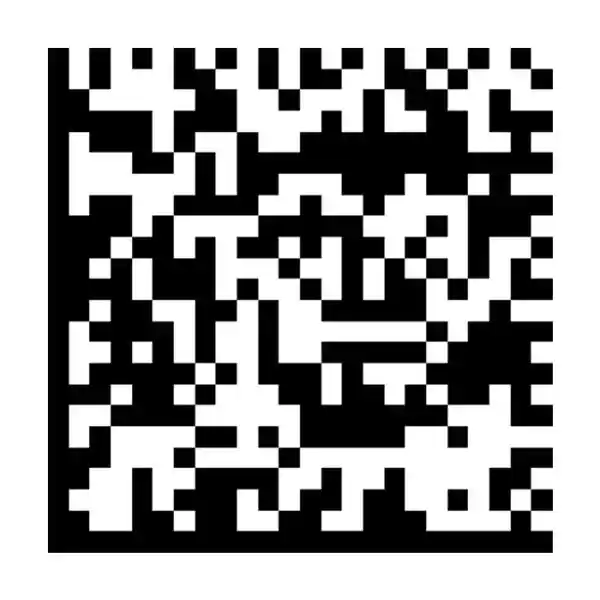
GS1 DataMatrix
Compact and machine-readable
The GS1 DataMatrix combines product identification with additional data such as batch number, serial number, or expiration date. Its compact design makes it particularly well-suited for industrial and regulated applications.
QR Code with GS1 Digital Link
Expanding Product Identity Digitally
A QR code with GS1 Digital Link links the product identity to a web address. This allows the same code to provide not only identification but also access to additional product information, instructions, or digital services.
2D Codes at the Point of Sale
GS1 Ambition 2027
GS1’s goal is for point-of-sale systems worldwide to be able to read and process GS1-compliant 2D codes in addition to linear barcodes by the end of 2027. This will make it possible to provide additional data and digital functions via a machine-readable code.
The transition will take place gradually. The linear EAN or UPC code will not automatically disappear at the end of 2027. During the transition period, packaging may continue to bear both a linear code and a 2D code.

Define the requirements first
What needs to be clarified before implementation?
A GS1 code should not be viewed in isolation as a printed image. First, it must be clear what data is needed, where it comes from, and how it will be read and processed later.
Use Case
Is the code intended to be scanned at the checkout, in logistics, in production, or by consumers?
Reading Systems
Which scanners, cameras, or mobile devices need to process the code?
System Integration
Where do GTINs, lot numbers, serial numbers, and date information come from, and to which systems is the data transmitted?
Data Content
Which details need to be stored as static data, and which ones need to be updated for each product or order?
Packaging and Print Area
How much space is available, and what material will the code be applied to?
Ensure machine readability
Print Quality Requirements
A 2D code can look visually clean but still be difficult to read. For reliable scanning, the code size, module size, contrast, quiet zone, and print resolution must all be properly balanced.
Key factors include:
- sufficient contrast
- clearly defined modules
- proper rest zone
- appropriate code size
- uniform print pattern
- appropriate print resolution
- consistent product management
- appropriate placement
- Reliable inline inspection
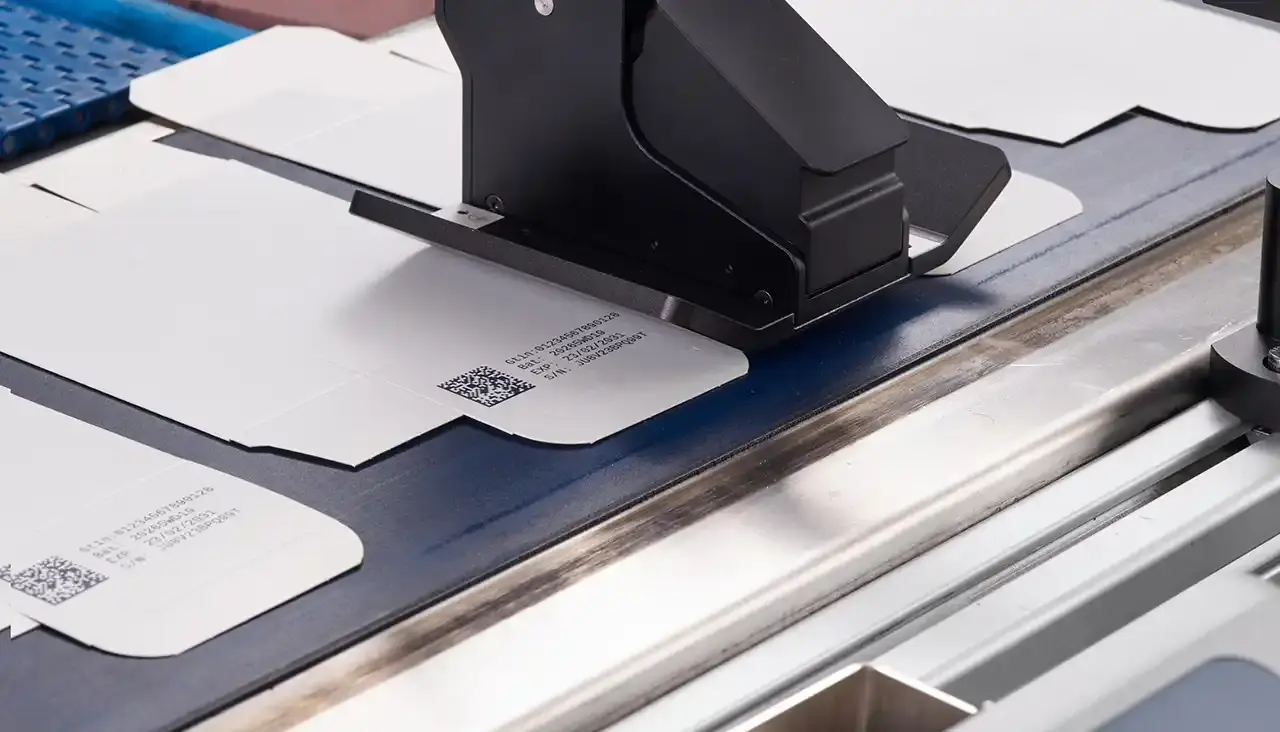
Tailored to the material and process
Appropriate Marking Technologies
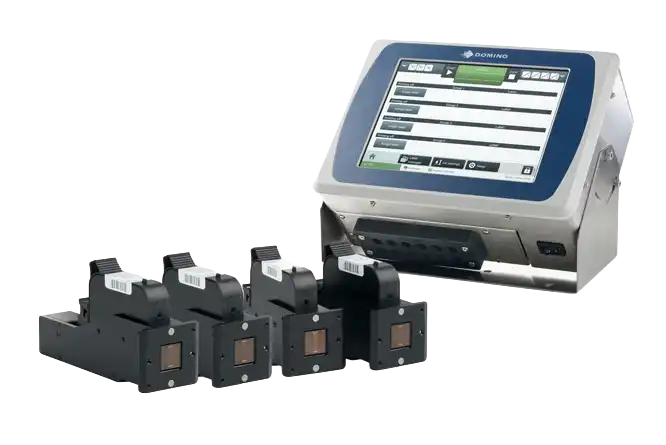
Thermal Inkjet
For high-resolution variable GS1 2D codes on suitable porous and non-porous surfaces.
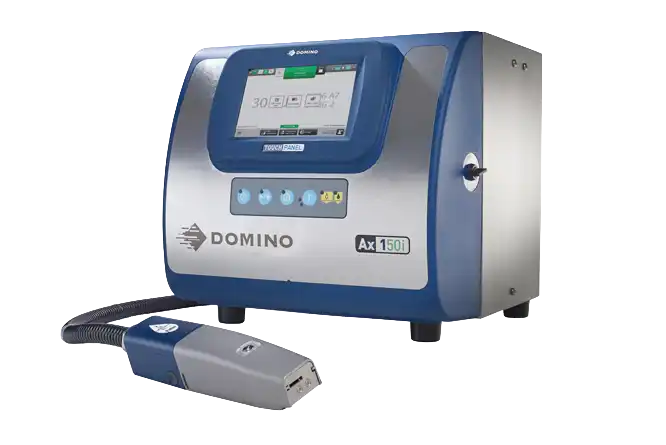
Continuous Inkjet
For variable codes in the ongoing production process. Suitability depends on code size, material, speed, and required code quality.
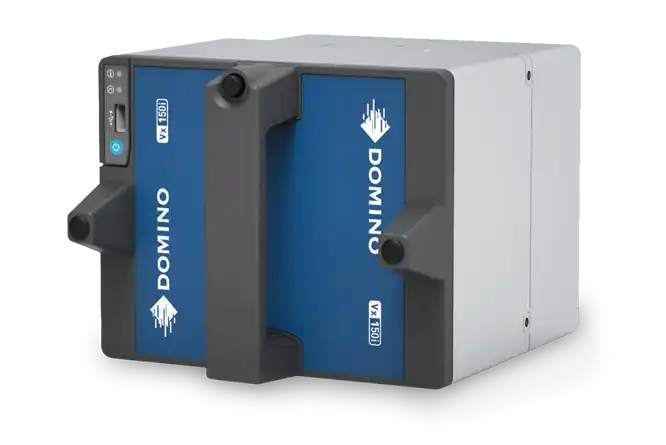
Thermal Transfer Printing
For high-resolution codes on flexible packaging films and labels.
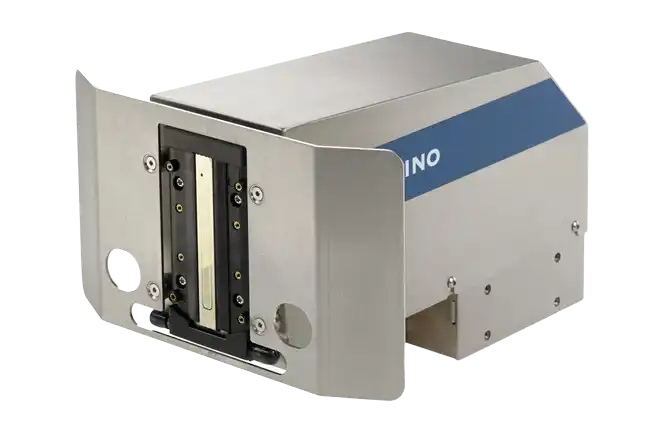
Large-character printing
For 1D and 2D codes printed directly on cartons and outer packaging. The Domino Cx Series supports high-resolution 1D and 2D barcodes, including GS1 Digital Link.
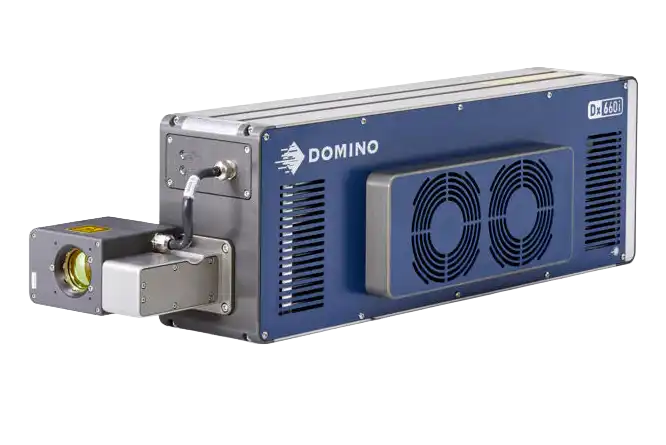
Laser Marking
For durable GS1 2D codes on suitable materials and coatings.
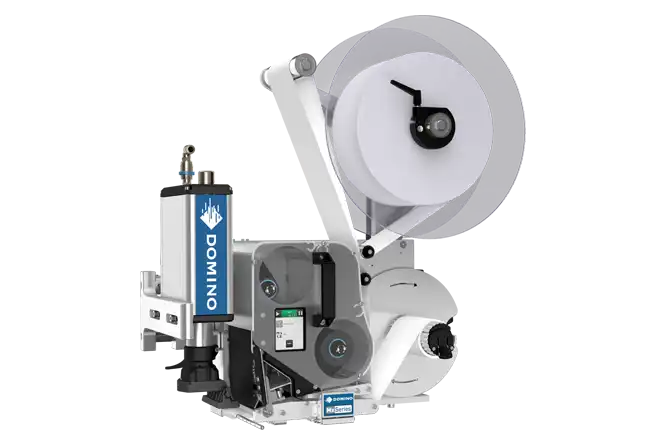
Labeling
For variable GS1 codes on labels for products, packaging, cartons, and pallets.
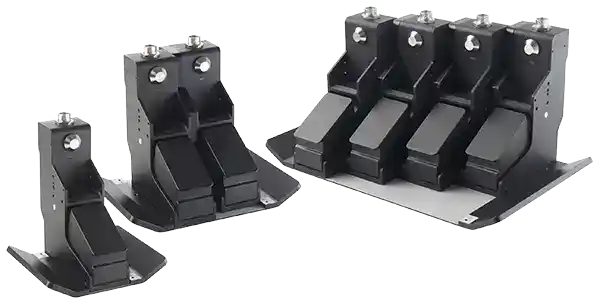
Gx Series PRO Printhead
The Gx Series PRO printhead was designed for high-resolution variable GS1 2D codes at industrial production speeds. With a print height of up to 23 mm per printhead, it is also suitable for larger codes and extensive variable data.
- Resolution up to 1200 dpi
- high optical density
- porous and non-porous materials
- Compatible with Gx150i, Gx350i, and GxOEM
End-to-End Process
Provide data and verify codes
Variable GS1 data must be assigned to the correct product and print job. Centralized print layouts and automated data provision reduce the need for manual entry.
A vision system can then verify whether the code is present, correctly positioned, and machine-readable. Depending on the scope of the inspection, the code’s quality and content can also be checked.

Viewing GS1 Codes as an Overall Process
Conclusion
Reliable GS1 labeling begins with the use case and the data structure. Only then are the code type, size, labeling technology, and scope of verification determined.
The most important steps:
- Define the use case and reading points
- Specify the required data
- Select a GS1-compliant data structure
- Determine the code type and size
- Tailoring Technology to Materials and Processes
- Reliably Provide Variable Data
- Automatically Check Print Quality