
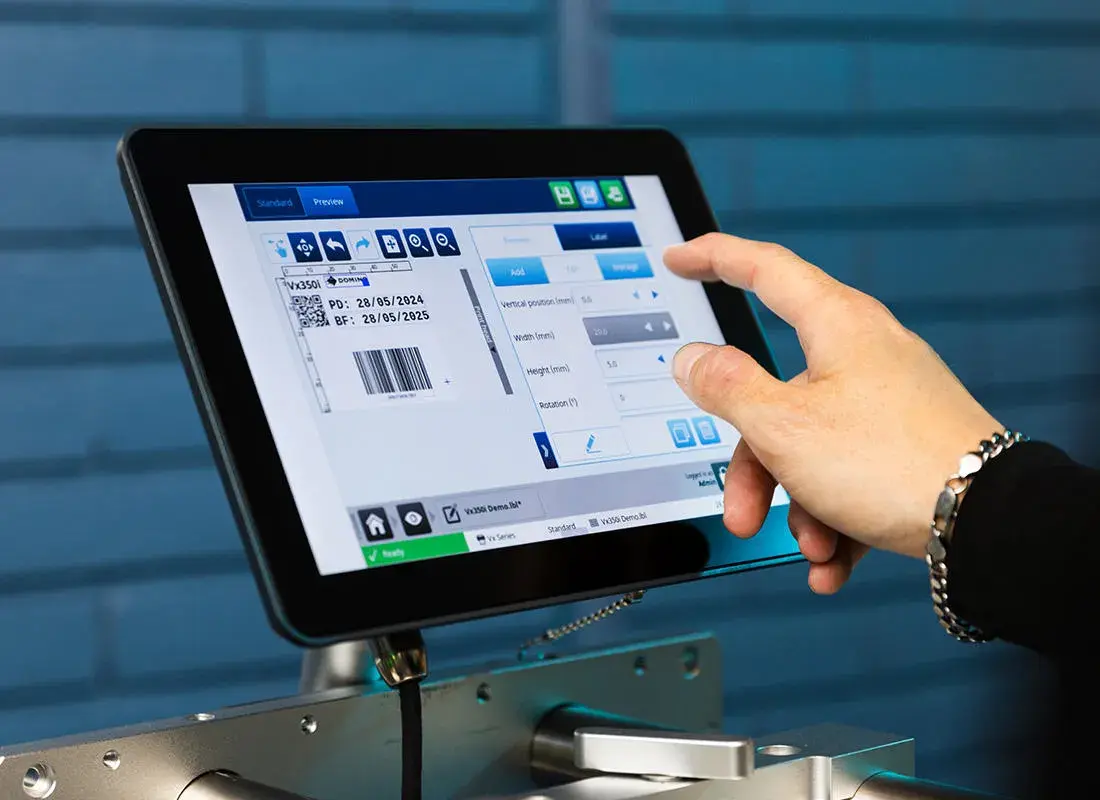


Print QR & Data Matrix Codes
Compact Encoding of Variable Data
2D codes consolidate product, batch, and traceability data into a compact space. We tailor the code type, marking technology, data provision, and code verification to the product, packaging, and production process.
Contact UsConnecting Data Reliably
2D codes can store significantly more information than traditional linear barcodes. Depending on the application, they may contain, for example, a product identifier, lot or serial numbers, dates, or a digital link to additional information.
Identifying Products: Batch, serial, and production data can be linked to the product identification.
Support traceability: In the event of quality deviations, affected products or batches can be narrowed down more precisely and identified more quickly.
Linking Digital Content: QR codes and GS1 Digital Link provide access to additional product information and digital services. GS1-compliant 2D codes can contain information such as the GTIN, as well as details like the lot number, expiration date, and serial number.
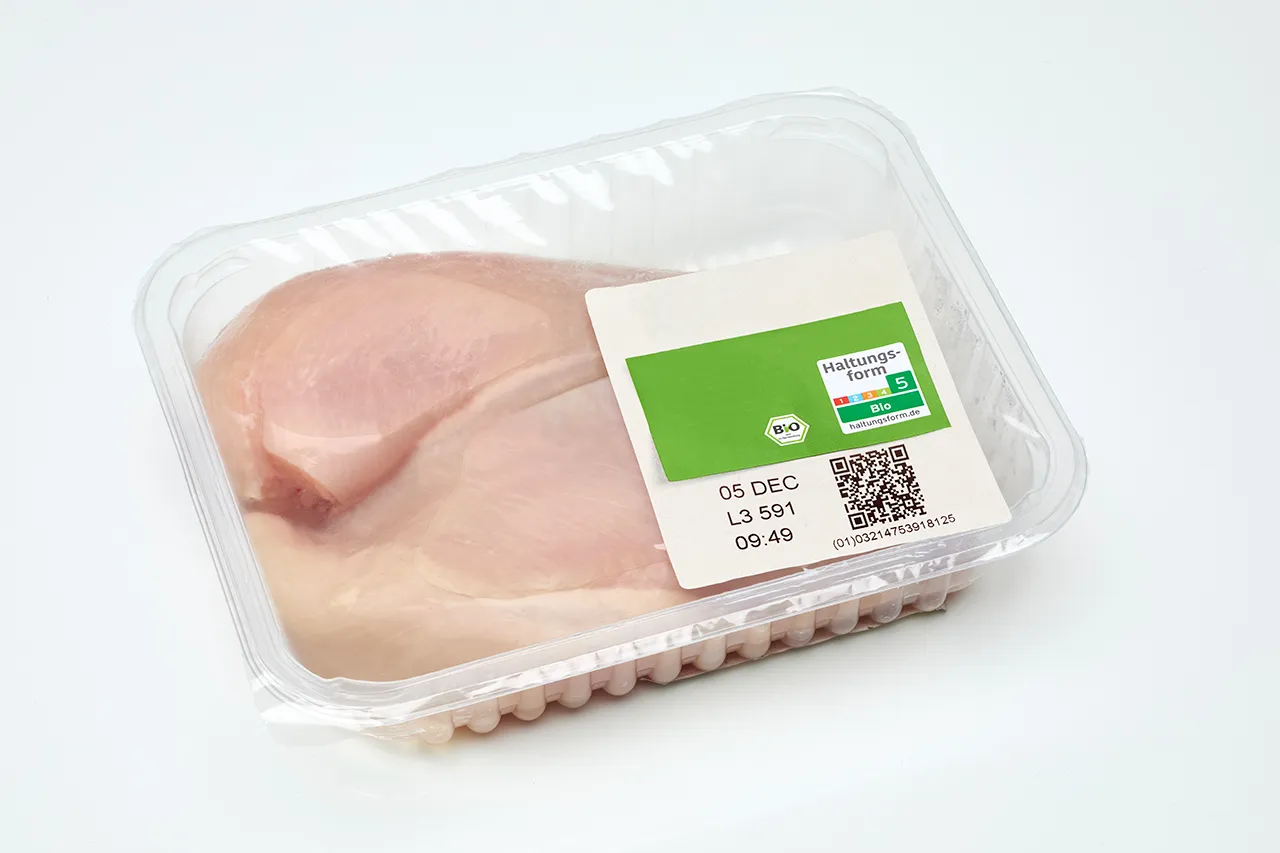
QR Code or Data Matrix?
Choose the code type that matches the task
The appropriate 2D code depends on the available space, data content, target audience, and intended scanning process.
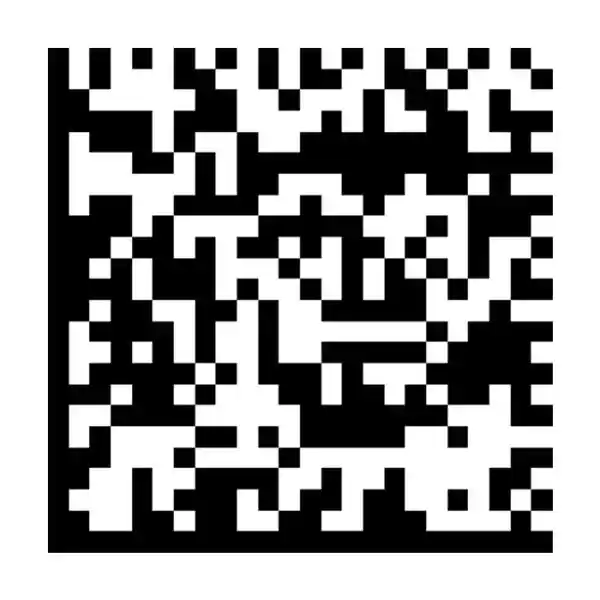
Data Matrix Code
Compact for industrial applications
Data Matrix codes offer high data density in a small area. They are particularly well-suited for compact labeling and applications with limited space.
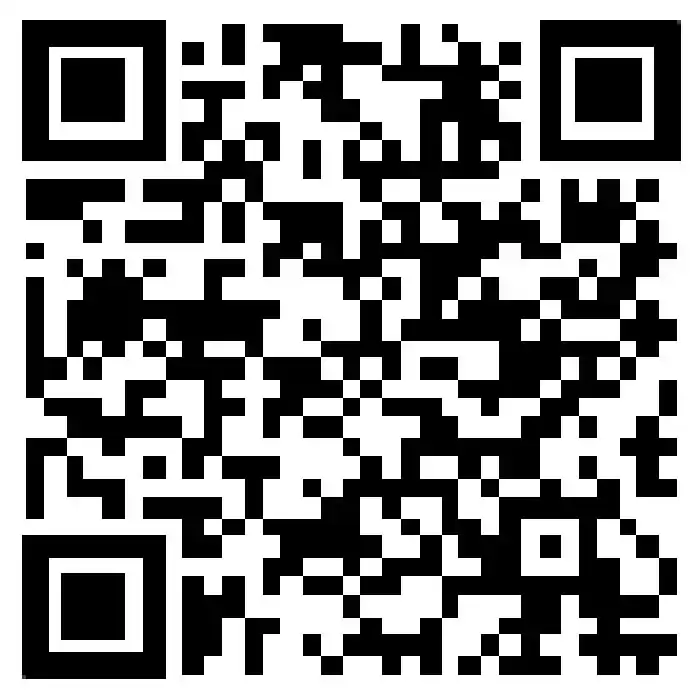
QR Code
Easily accessible digitally
QR codes can be scanned using mobile devices. They are particularly well-suited for digital product information, instructions, and services.
2D Codes with GS1
GS1 defines how product identification and additional data are structured within the code. This may include, for example, the GTIN, lot number, serial number, or expiration date. Learn more about GS1 in our knowledge article.
GS1 DataMatrix
Compact and machine-readable
The GS1 DataMatrix combines product identification with additional data such as batch number, serial number, or expiration date. Its compact design makes it particularly well-suited for industrial and regulated applications.
QR Code with GS1 Digital Link
Expanding Product Identity Digitally
A QR code with GS1 Digital Link links the product identity to a web address. This allows the same code to provide not only identification but also access to additional product information, instructions, or digital services.
By the end of 2027, point-of-sale systems are expected to be able to process GS1-compliant 2D codes in addition to linear barcodes. This will allow product identification and additional information—such as batch number, serial number, or expiration date—to be combined into a single code.

Reliable Printing and Reading
A 2D code must not only look clean, but also be reliably readable by the intended scanning system. To achieve this, the code size, resolution, contrast, material, and production conditions must all be properly coordinated.
Resolution and Contrast
The individual modules of the code must be clearly visible. The ink color, material color, and surface all affect the available contrast.
Code size and data volume
The more information a code contains, the more space it may require. Data volume, module size, and available print area must therefore be considered together.
Materials and Production Process
The surface, line speed, distance from the product, and environmental conditions affect the print image and readability.
Would you like to request a free test print on your product?
Continue to the sample printoutAppropriate Technologies
The appropriate technology depends on the code content, module size, required print quality, material, and production speed.
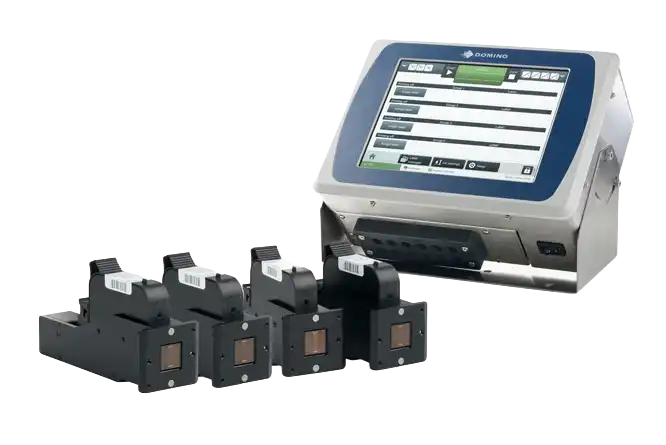
TIJ Printer
High-resolution variable QR and Data Matrix codes on suitable porous and non-porous surfaces.
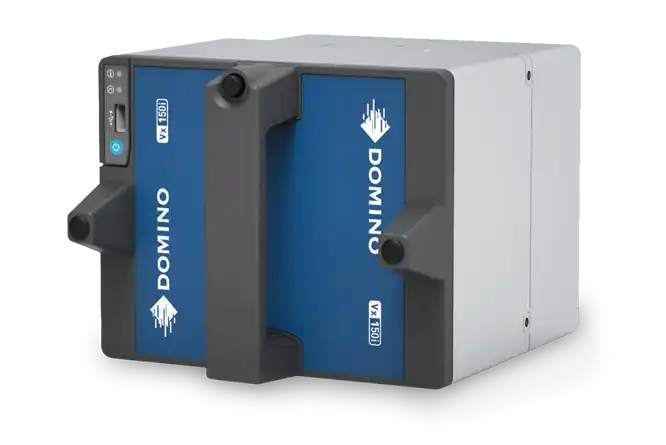
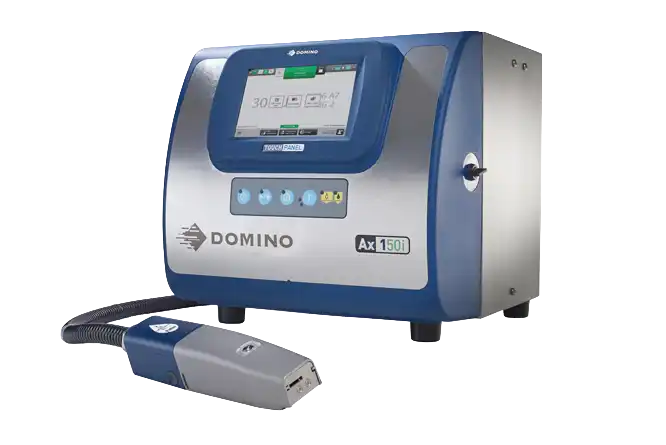
CIJ printer
Variable 2D codes in the ongoing production process. Suitability depends particularly on print resolution, code size, material, and line speed.
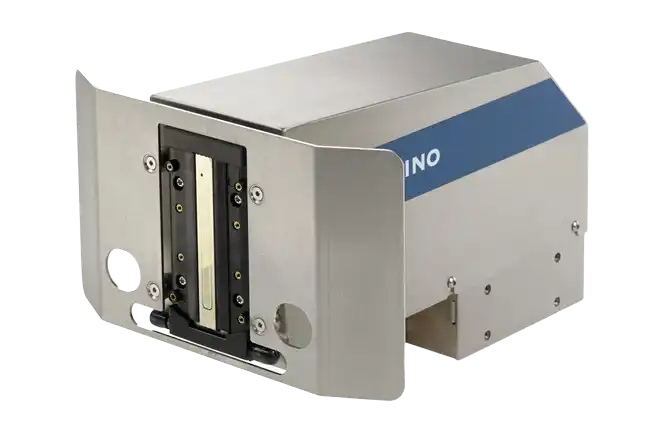
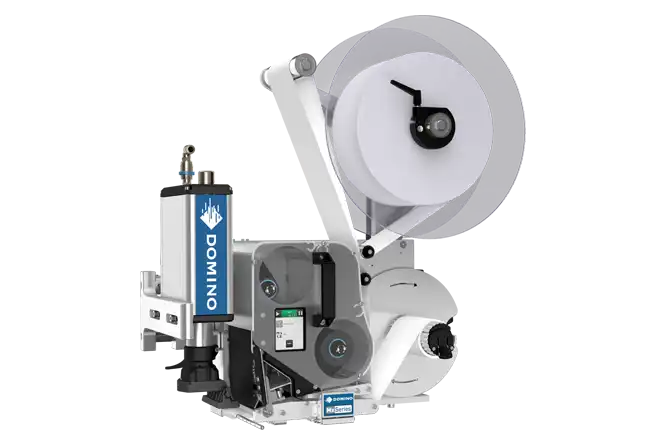
Gx Series PRO Printhead
The Gx Series PRO printhead was designed for high-resolution variable GS1 2D codes at industrial production speeds. With a print height of up to 23 mm per printhead, it is also suitable for larger codes and extensive variable data.
- Resolution up to 1200 dpi
- high optical density
- porous and non-porous materials
- Compatible with Gx150i, Gx350i, and GxOEM
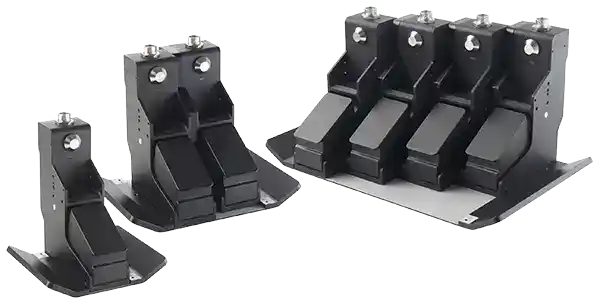
Data and Print Layouts
2D codes can contain product identification, lot and serial numbers, dates, and digital links. The required information can be provided directly or retrieved from defined data sources.
When dealing with changing products and orders, centralized print layouts and automated data provision help ensure that the correct content is assigned to the intended code.
✓ Product identification
✓ Batch and lot numbers
✓ Serial numbers
✓ Dates
✓ Digital content
✓ Centralized print layouts
✓ External data sources
Check for readability and content
In-line inspection during the production process
A vision system checks 2D codes directly on the production line. Depending on the scope of the inspection, the system verifies whether the code is present, correctly positioned, and machine-readable.
In addition, code quality and content can be compared with the specified data. This allows for the early detection of incorrect or incomplete annotations.
Discover Code Verification & Vision Systems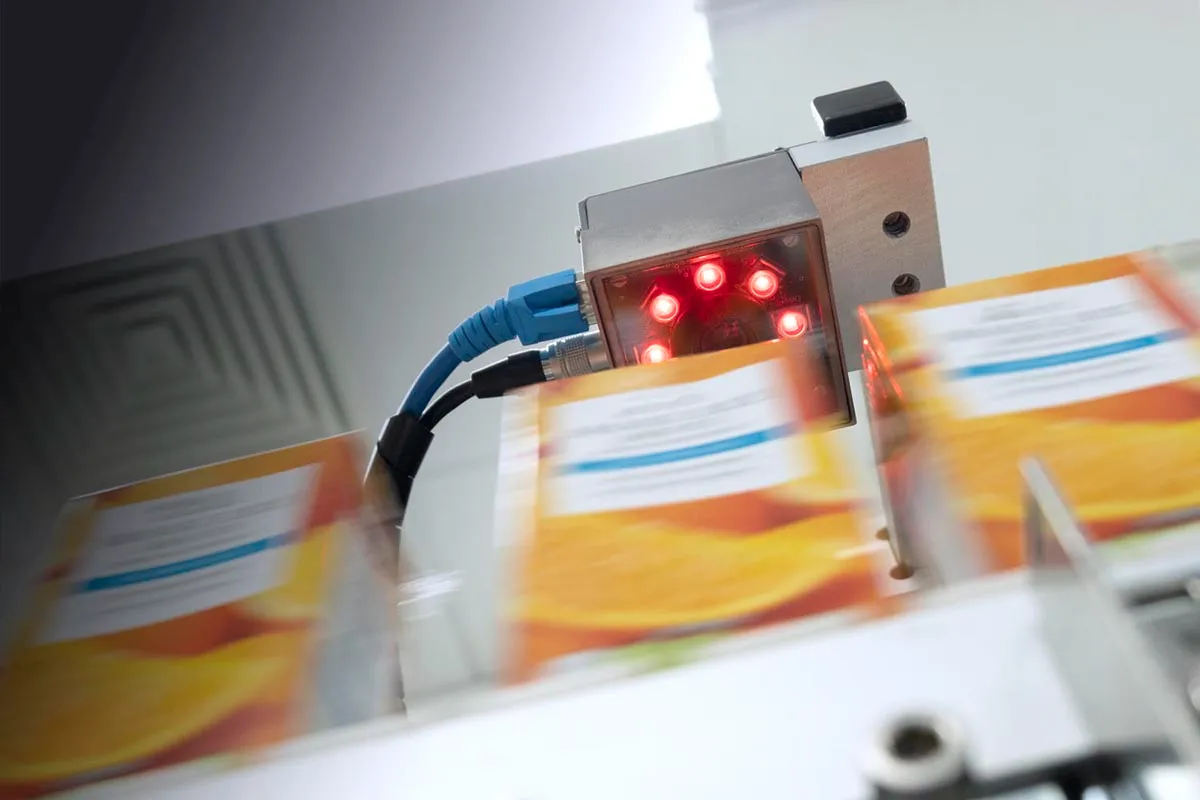


Contact Us