
Laser Marking
Permanent Markings for Products and Packaging
Laser marking allows for the direct marking of products and packaging without the use of ink, ribbons, or labels. Text, barcodes, 2D codes, logos, and variable data are permanently applied to the surface of the material. Different laser technologies are used depending on the material and requirements. CO₂, fiber, and UV lasers operate on the same basic principle but differ in their suitability for specific materials and their typical areas of application.
Contact UsHow does laser marking work?
Laser marking uses a focused beam of light to selectively alter the surface of a material. Depending on the laser technology and substrate, markings are created through discoloration, engraving, foaming, or material removal.
Generate a laser beam
A CO₂ laser, fiber laser, or UV laser produces a precisely focused beam of light. These technologies operate at different wavelengths and are therefore suitable for different materials.
Change Material
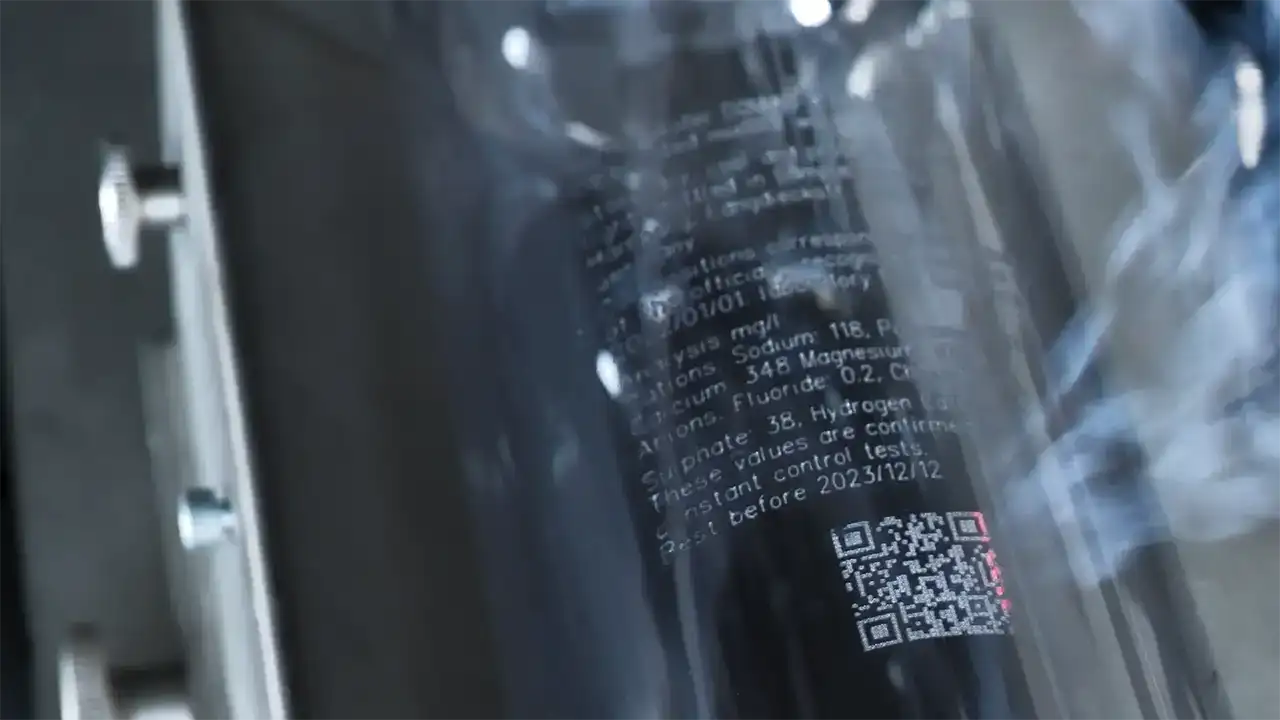
The laser energy strikes the surface and alters it in a targeted manner. Depending on the material, high-contrast markings are created through color changes, material removal, or other physical effects.
Create Label
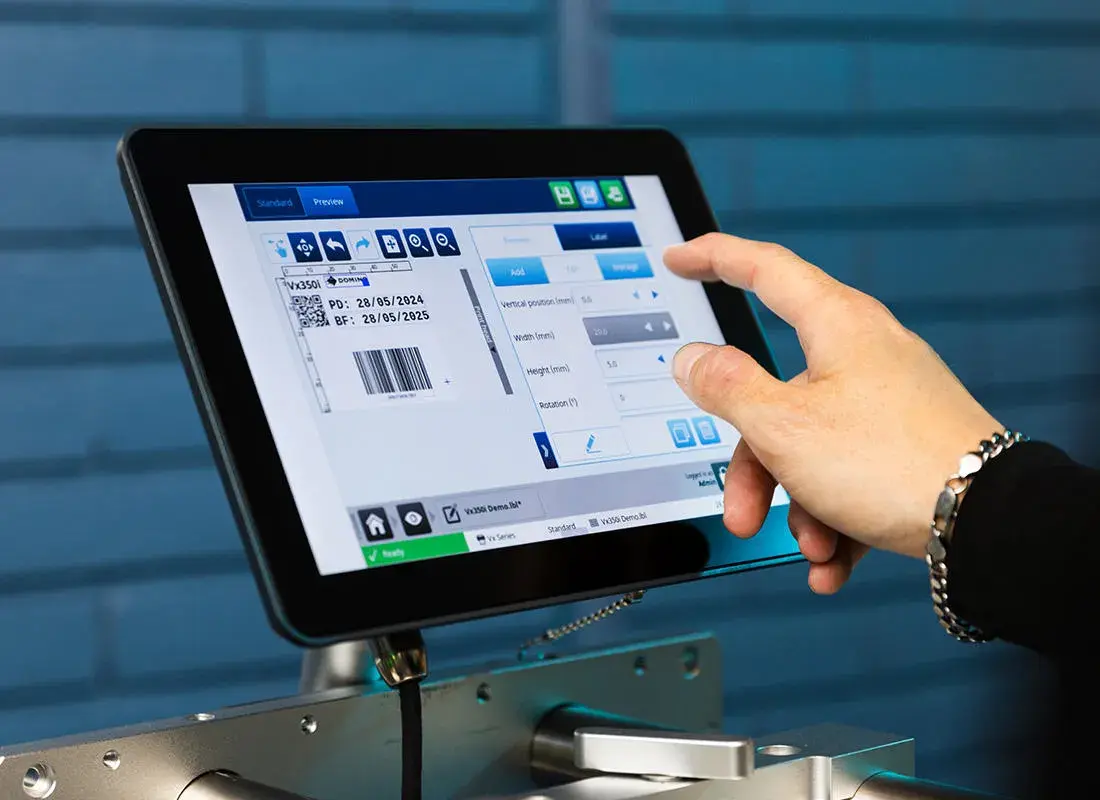
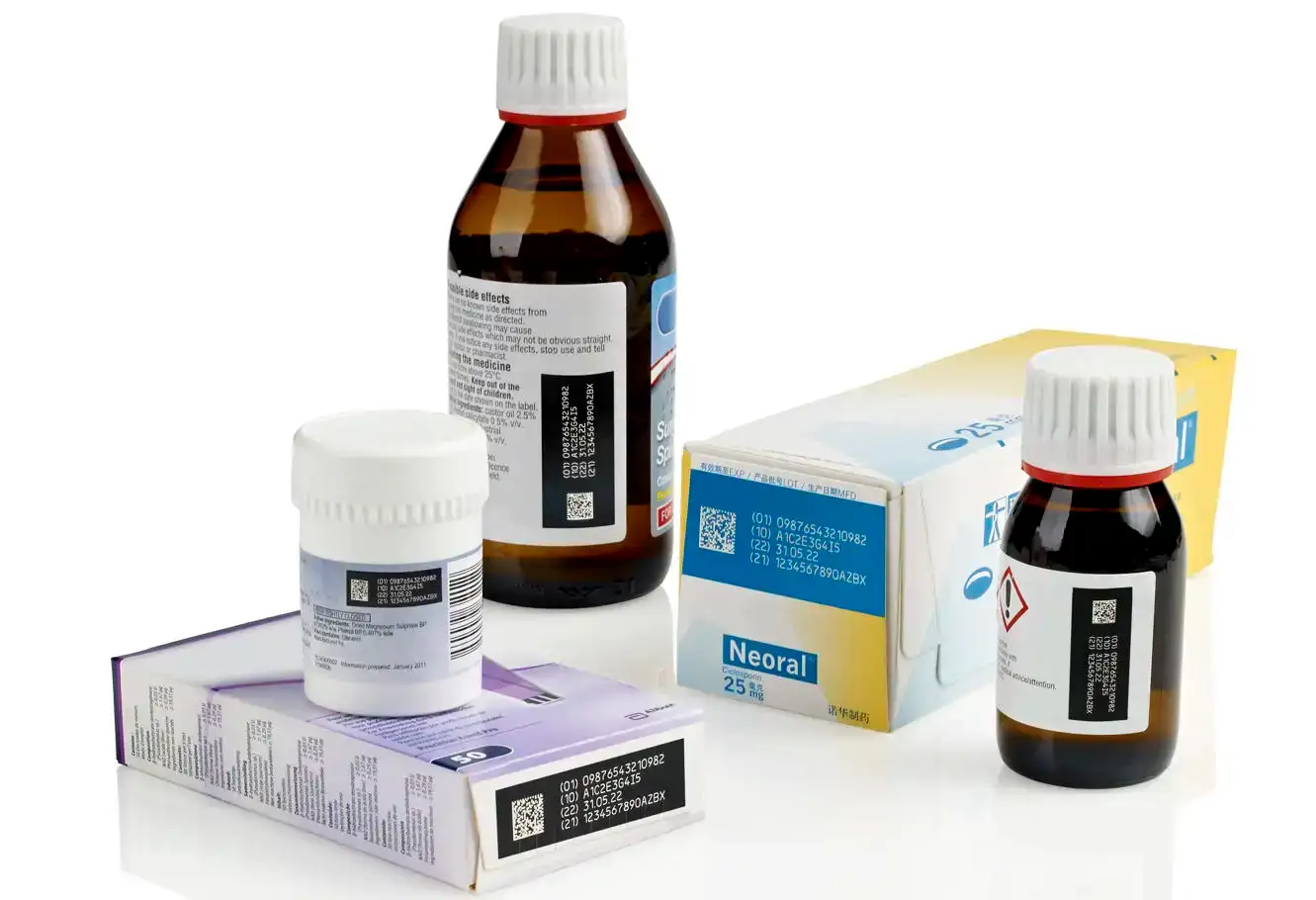
Precise control of the laser beam allows text, barcodes, 2D codes, logos, and variable data to be marked directly onto the product or its packaging.
CO₂ laser, fiber laser, or UV laser?
The three laser technologies differ in terms of their suitability for different materials and their typical areas of application. Find out which solution is right for your application.
CO₂ laser
Ideal for cardboard, paper, labels, and many types of packaging film
✓ High contrast on cardstock and paper
✓ Proven packaging solution
Fiber laser
Ideal for metals, engineering plastics, and industrial components.
✓ Permanent marking of metals
✓ Ideal for industrial applications
UV laser
Ideal for delicate materials and for precise marking on films and plastics.
✓ Gentle on delicate materials
✓ High precision for fine markings
Which laser technology is right for your application?
Material properties have a significant impact on the marking results. Find the right laser technology for your application.
CO₂ lasers, fiber lasers, and UV lasers all serve the same purpose, but differ in terms of their suitability for various materials. Choosing the right laser technology is crucial for the quality, legibility, and durability of the marking.
The Domino Laser Series
Various laser series are available for different materials and applications. The choice of the appropriate solution depends on the marking requirements, the material, and the production environment.
F Series
Fiber laser
For metals, engineering plastics, and industrial marking applications.
Dx Series
CO₂ laser
For cardboard, paper, labels, films, and packaging materials.
Ux Series
UV laser
For delicate materials and precise marking on films and plastics.
Advantages of Laser Marking
Laser marking offers a durable and precise alternative to ink-based marking methods. Thanks to various laser technologies, the solution can be tailored to a wide range of materials and applications.
Durable and long-lasting
Direct material marking: The marking is applied directly to the surface.
High durability: Markings remain legible over time and are resistant to abrasion.
Ideal for traceability: Suitable for serial numbers, Data Matrix codes, and traceability applications.
Precise and high-quality
Clear Markings: Fine text, logos, and codes with high legibility.
High contrast: Depending on the material, highly visible markings can be created.
Variable Data: Production data, batch codes, and serial numbers can be processed dynamically.
Versatile
Three laser technologies— CO₂, fiber, and UV lasers—are suitable for a variety of materials and applications.
Wide range of substrates: From cardboard and films to metals and engineering plastics.
Application-Specific Solutions: Laser technology can be tailored specifically to the material and marking requirements.
Limitations of Laser Marking
Optimal laser marking always depends on the material and the application. Not every laser technology produces the same results on every substrate.
Higher investment costs
Laser systems often require a higher initial investment than many ink-based technologies. However, when utilized at appropriate capacity, operating costs can be significantly lower.
Suitability Based on Material
Materials react differently to laser energy. Contrast, legibility, and durability may vary depending on the substrate.
A direct line of sight is required
Marking is performed directly on the surface. Areas that cannot be reached by the laser beam cannot be marked.
The quality of laser marking depends not only on the laser, but above all on the combination of material, application, and laser technology.
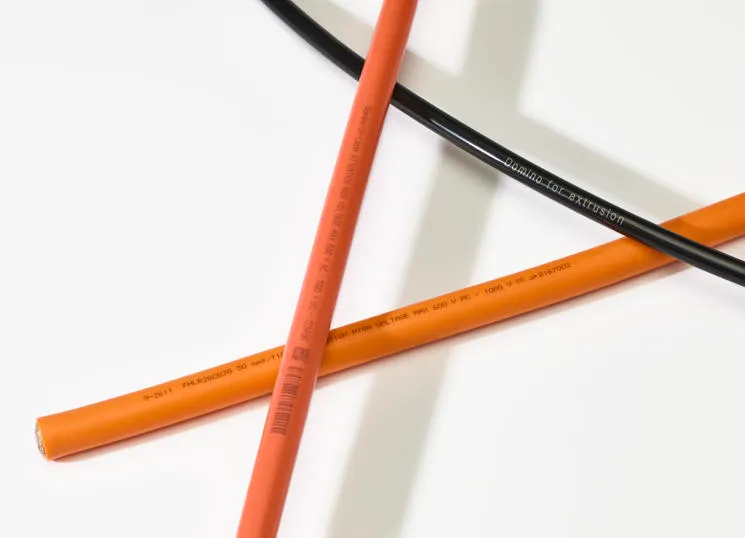
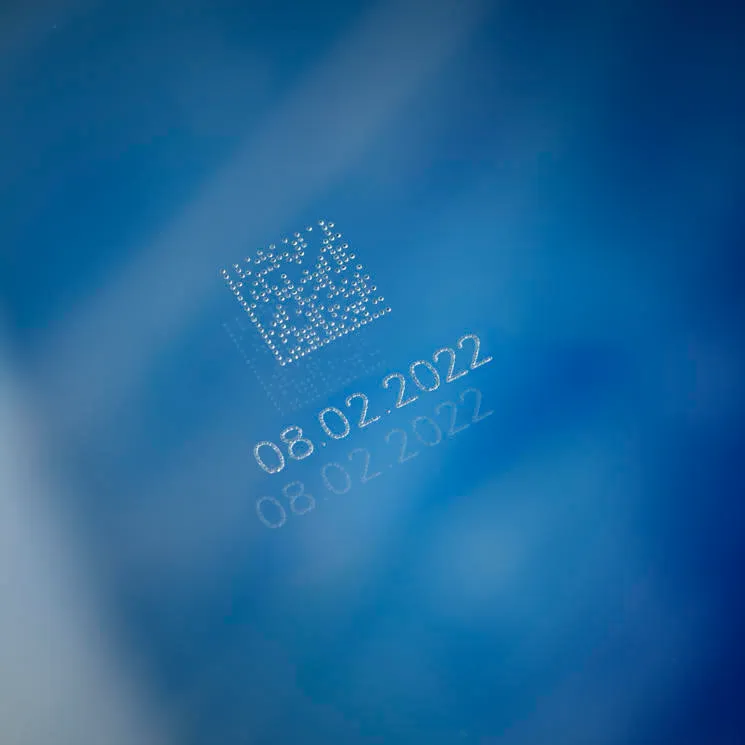
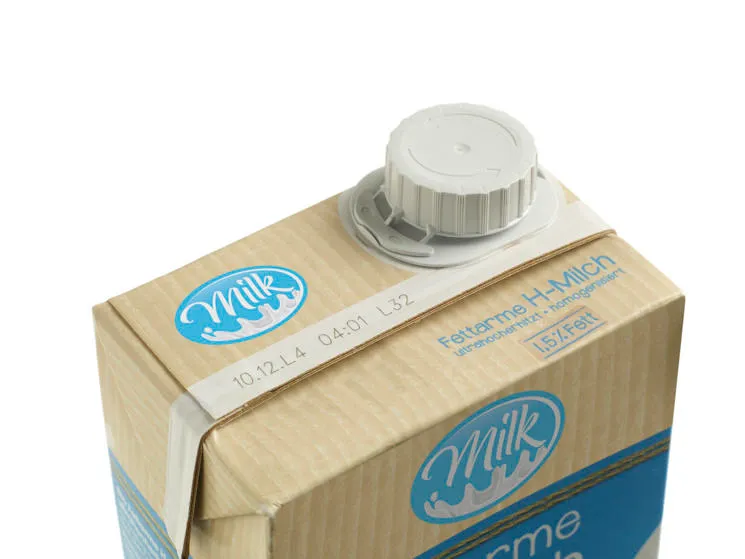
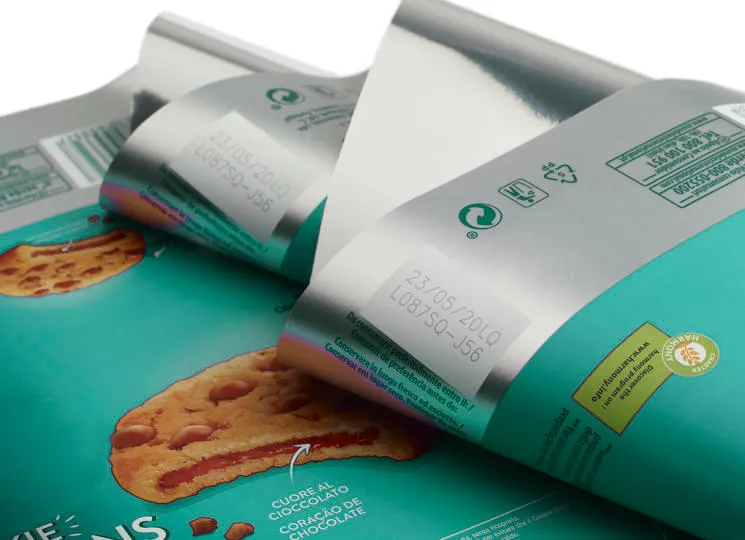

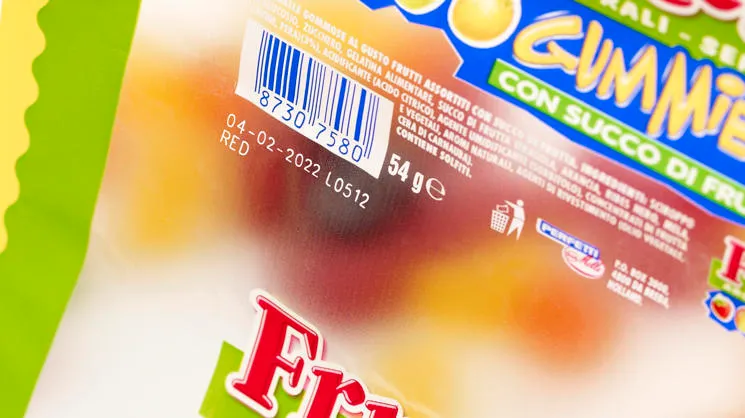
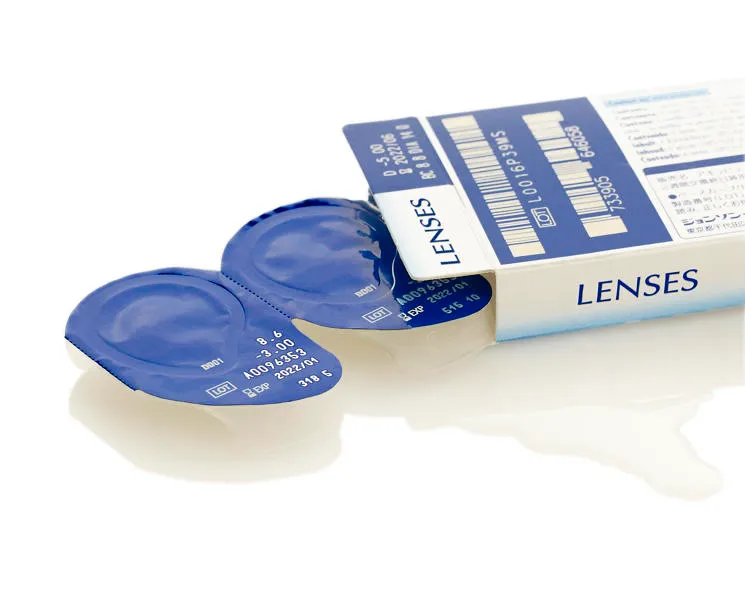
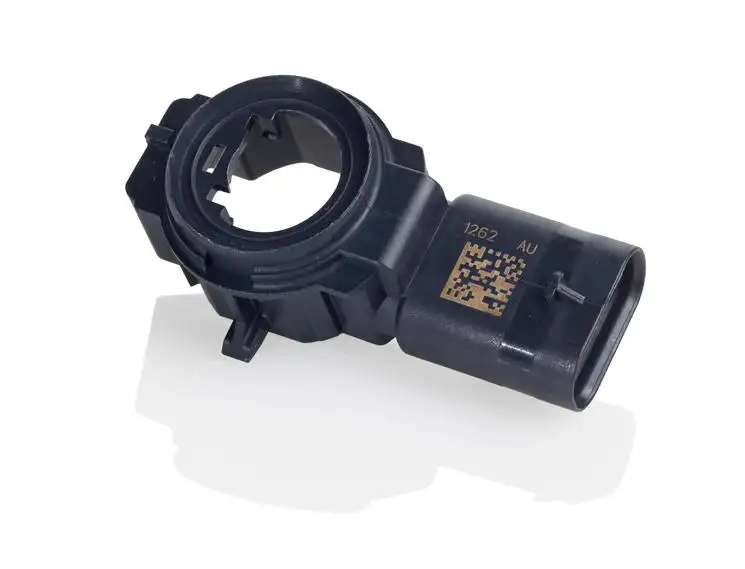
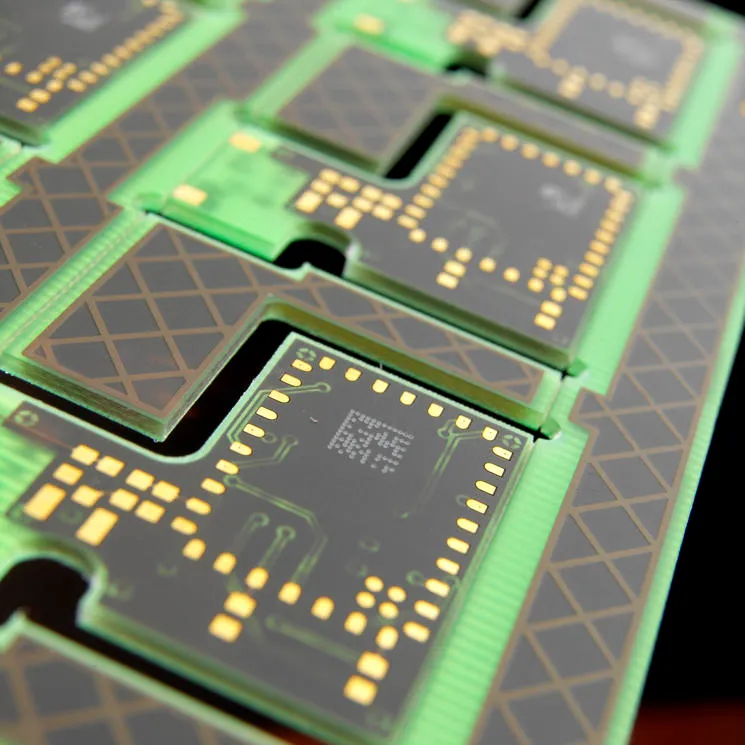
Applications & Substrates
From packaging to industrial components: Laser marking is suitable for a wide range of materials and industries. The appropriate laser technology depends on the properties of the substrate.
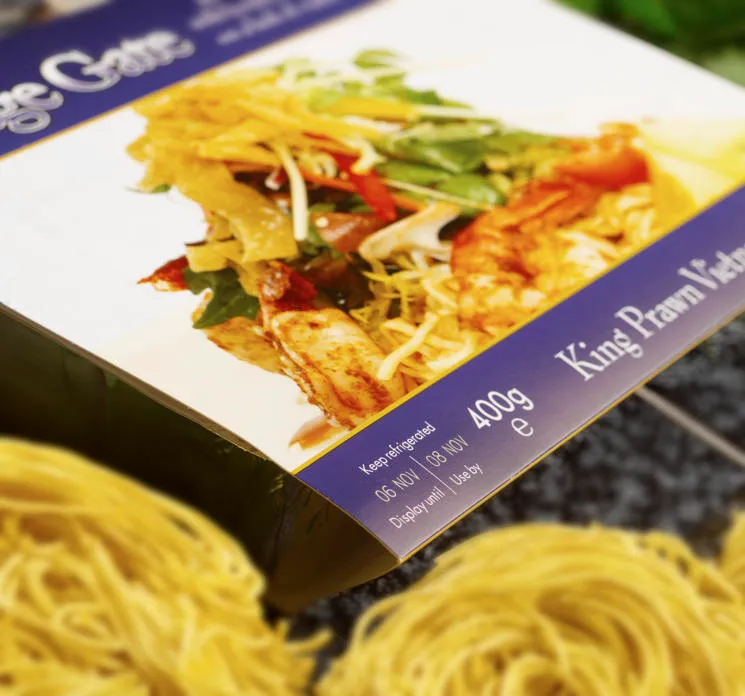
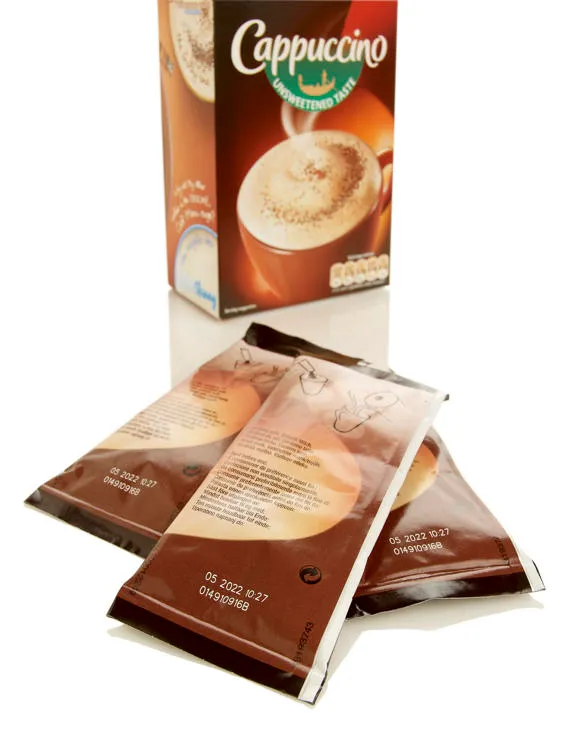
Cardboard and Paper
Packaging, labels, and cardboard boxes are often marked using CO₂ laser systems.
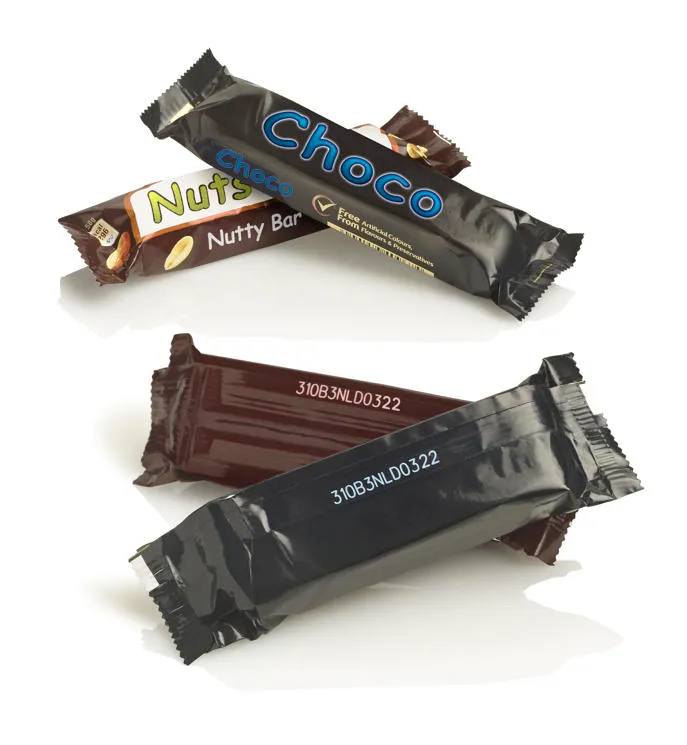
Films and Flexible Materials
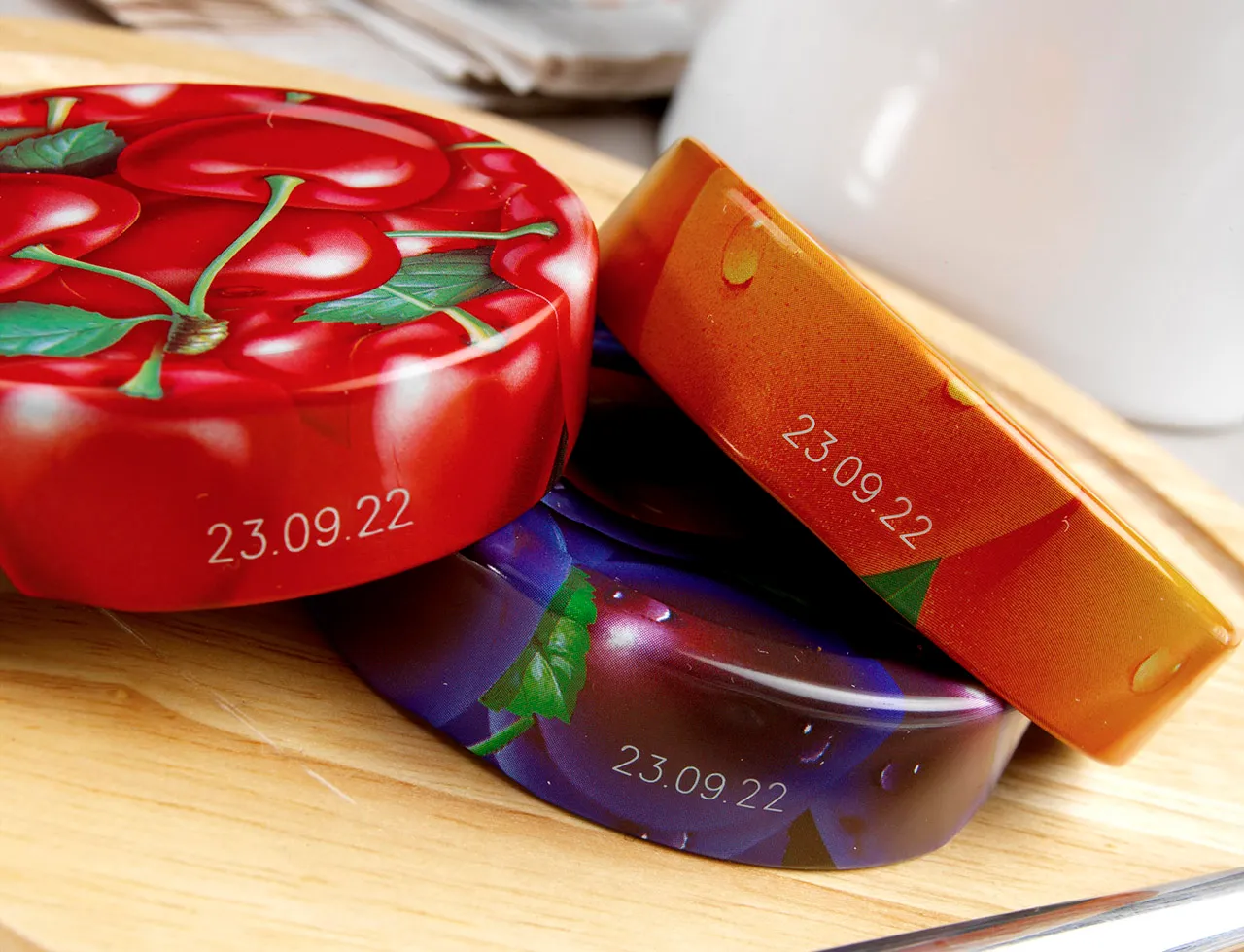
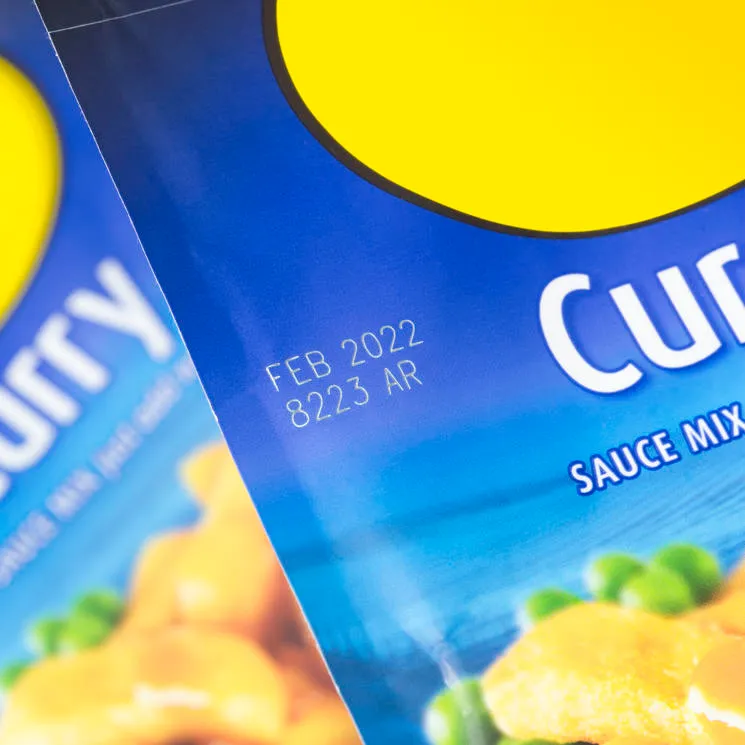
Variable data, codes, and product information on packaging materials for consumer goods and food products.
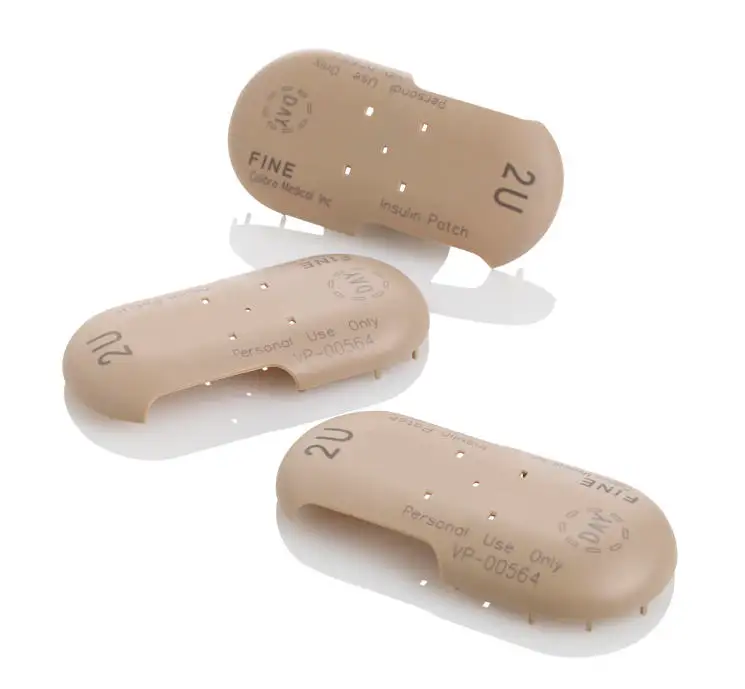
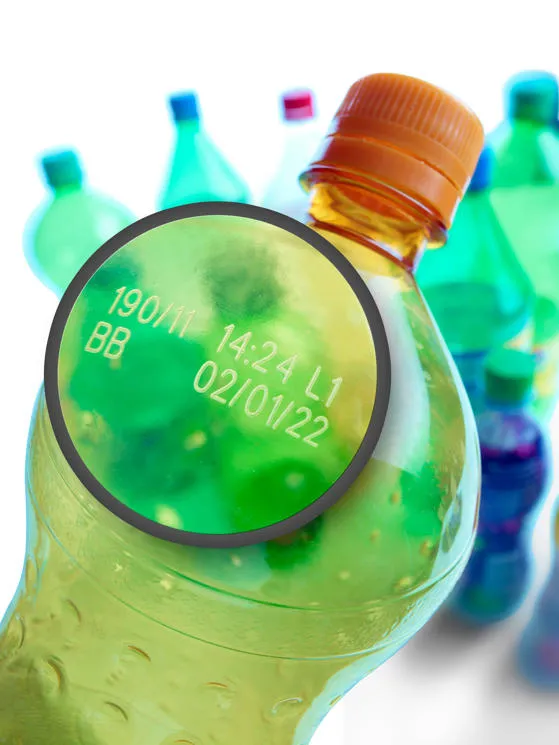
Plastics
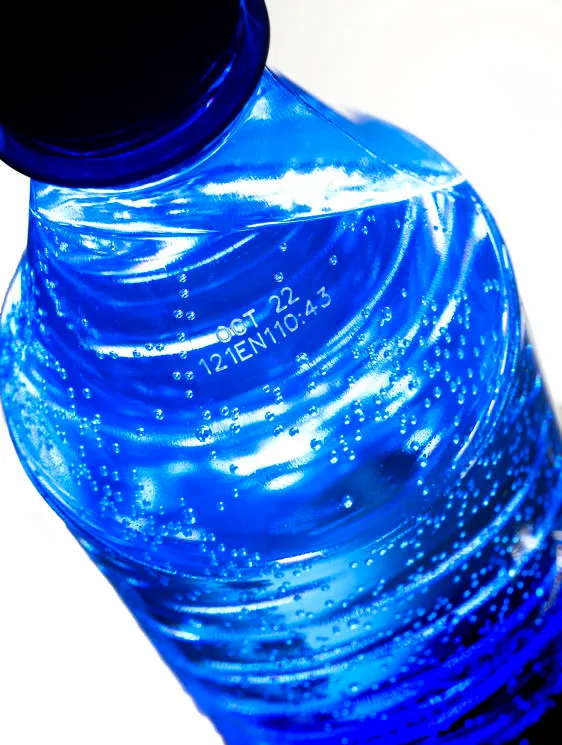
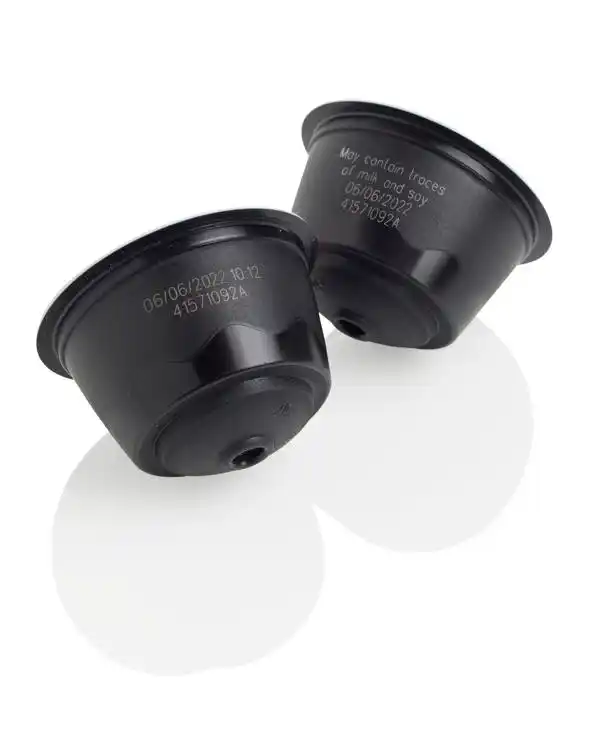
Depending on the type of plastic, CO₂, fiber, or UV lasers are used.
Metals
Permanent markings on parts, tools, and industrial components are often created using fiber lasers.
Sensitive Materials
UV lasers can offer advantages for applications that require high precision and minimal heat input.
Not sure if laser marking is right for your material? We'll test your substrate for free in our lab.
Go to the Test Service
Contact Us