

Cosmetics & Personal Care
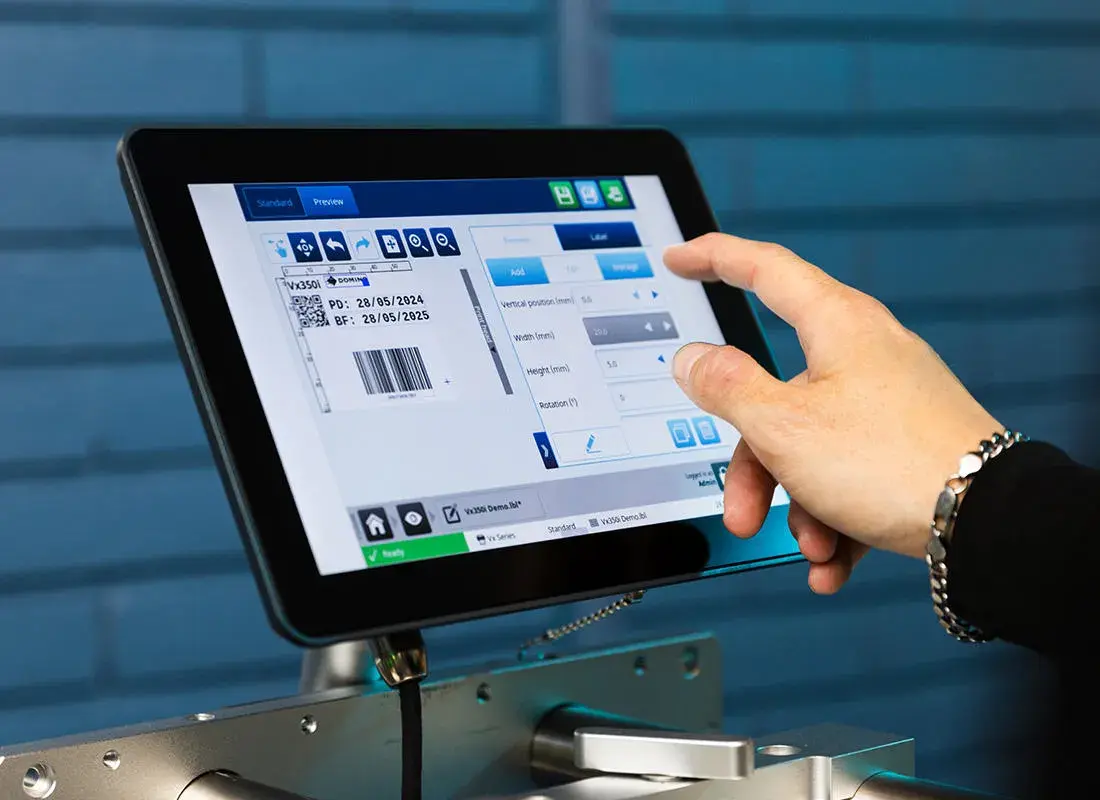
From batch and date information to machine-readable codes: We help manufacturers of cosmetics and personal care products reliably label their products and packaging.
Together, we tailor the marking technology, print quality, and integration to the material, packaging design, and production process.
Discuss the applicationCombining Packaging Design and Production
A Wide Range of Requirements
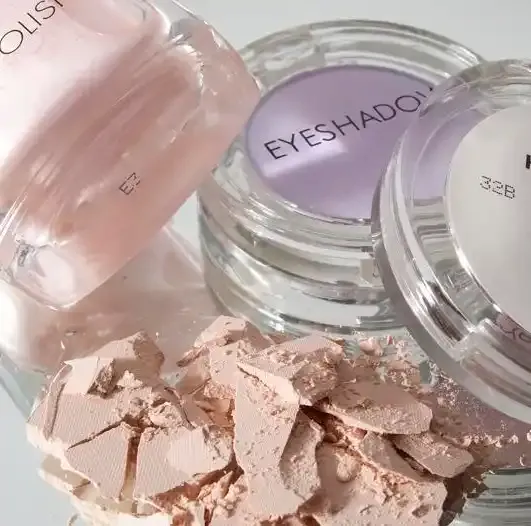
Cosmetics and personal care products come in a wide variety of materials, shapes, and sizes. The labeling must integrate seamlessly into the production process, remain clearly legible, and complement the high-quality appearance of the packaging. Typical applications range from glass and rigid plastic to flexible packaging and metal aerosol cans.
Variety of Materials
Designed for use on a variety of surfaces
Glass, plastic, metal, cardboard, and flexible materials each have different requirements in terms of contrast, adhesion, and marking technology.
Packaging Design
In line with the brand identity
Batch, date, and product information must be clearly legible without unnecessarily compromising the packaging design.
Product Change
Flexibility in Production
Changing products, packaging formats, and print content require adaptable print layouts and reliably provided variable data.
Reliably Applying Variable Information
What is being labeled?
Depending on the product, packaging, and production process, various types of information must be applied in a way that is clearly legible and reliable. Batch numbers, date information, and machine-readable codes are often the main focus.
Lot & Serial Numbers
Unambiguously assign products
Batch numbers identify production units that belong together. Serial numbers allow for the unique identification of individual products.
Dates
Reliably Display Product Data
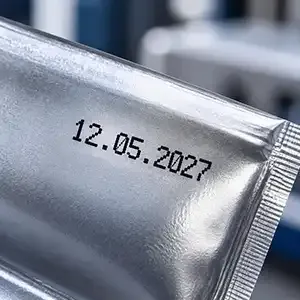
Production, bottling, or other date-related information must be reliably assigned to the correct product and production order.
QR & Data Matrix Codes
Encoding More Information in a Compact Format
2D codes can combine product identification, lot numbers, and expiration dates with digital product information in a compact space.
Typical Packaging
Label in various ways
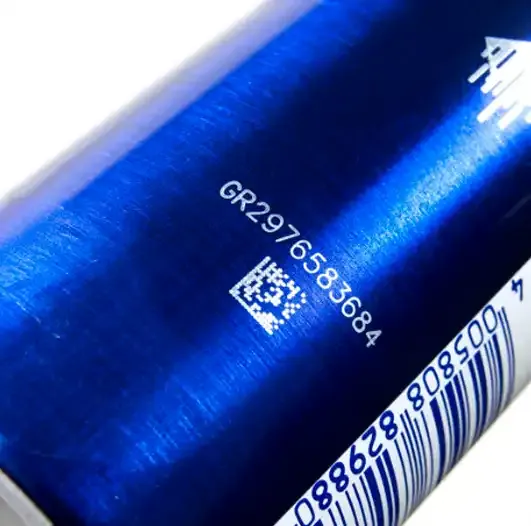
Depending on the product, the label is applied directly to the packaging, a closure, or outer packaging. The material, shape, and packaging process influence the choice of the appropriate technology.

Coordinated with the material and packaging design
Appropriate Technology
The choice of marking technology depends on the material, surface, packaging type, production speed, and desired marking content.
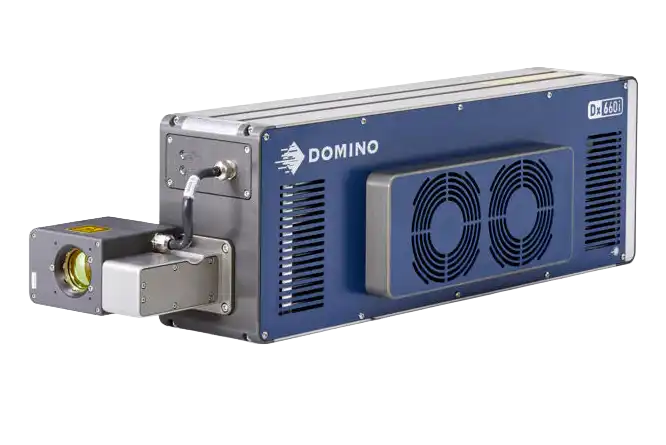
Laser Marking
Laser marking marks materials completely contact-free, permanently, and without any consumables. A precise beam of light ensures maximum abrasion resistance.
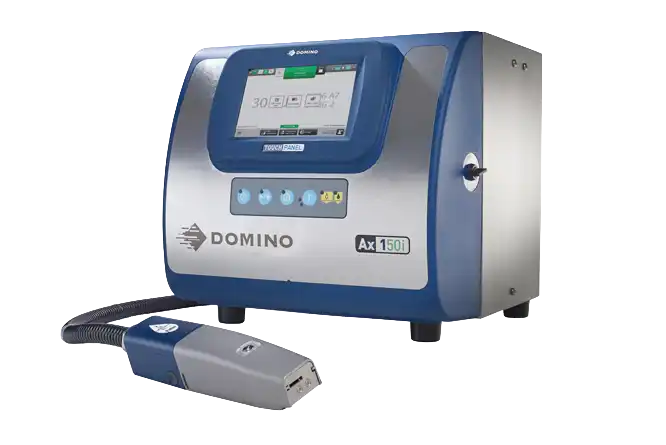
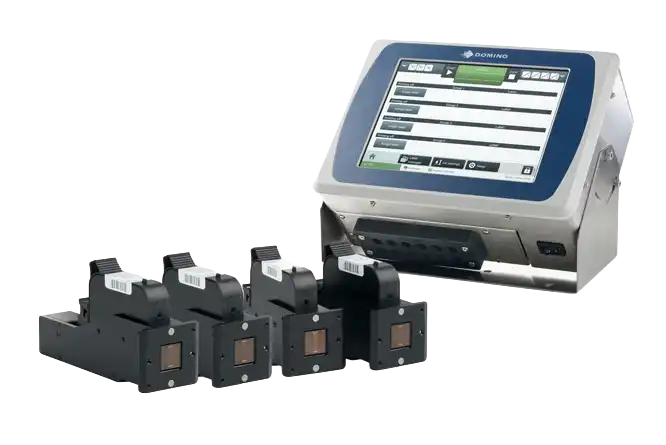
CIJ printer
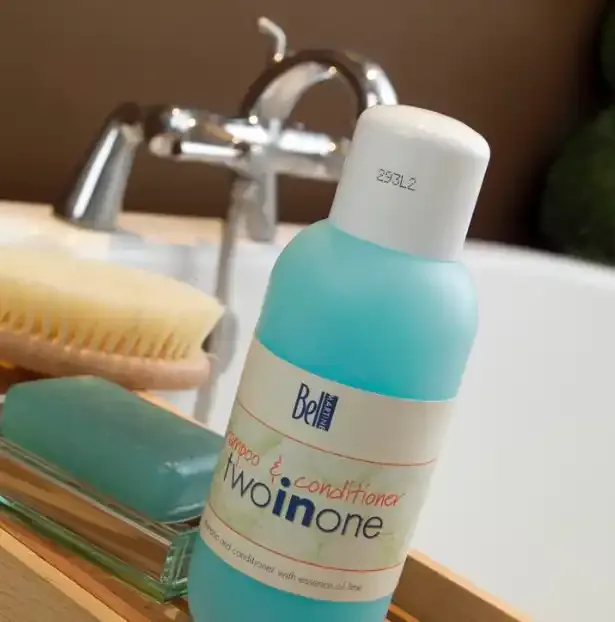
Continuous inkjet (CIJ) printers mark products extremely quickly and without contact during the production process. They produce razor-sharp codes on almost any surface.
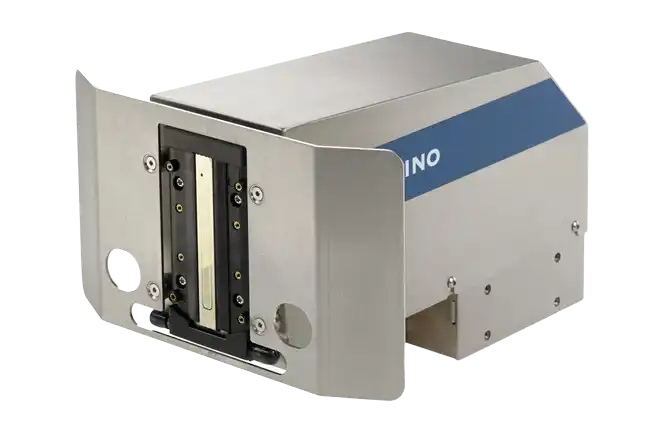
Large-character printer
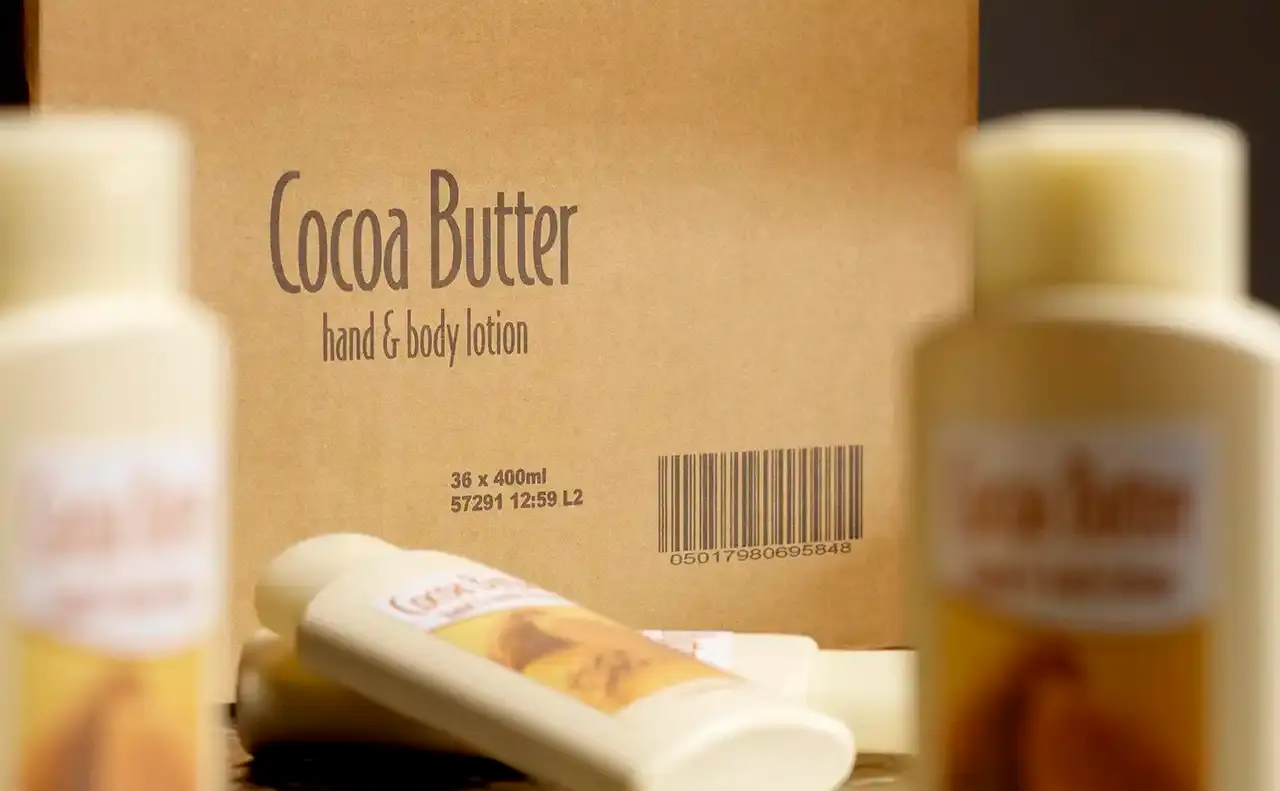
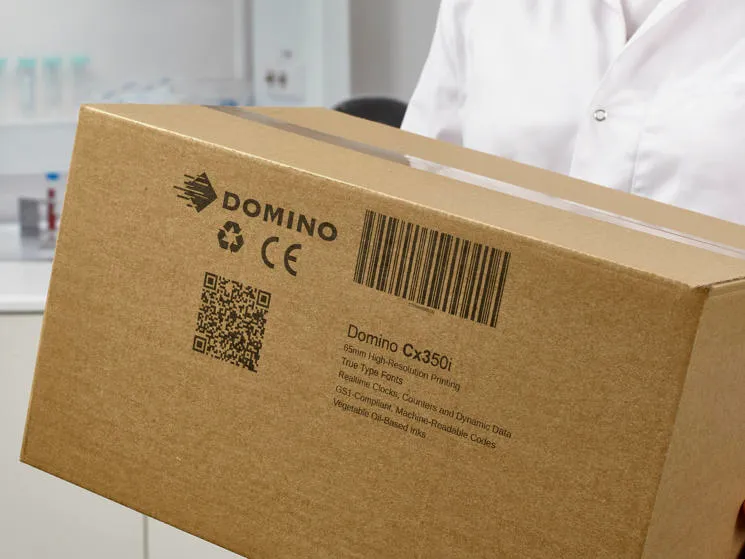
Large-format printers are optimized for printing on secondary packaging, such as cardboard boxes, in industrial settings. They can flexibly apply large logos and barcodes.
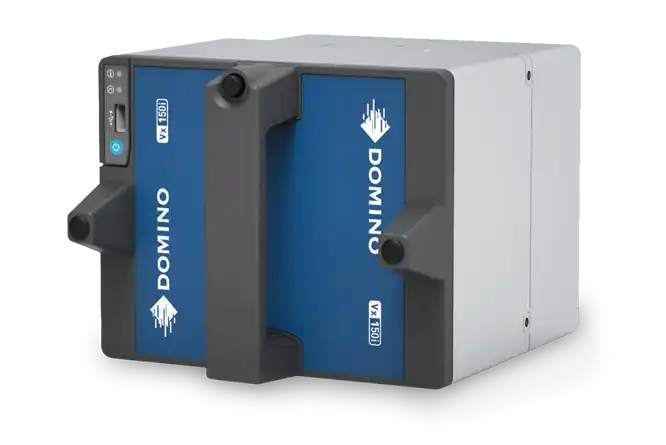
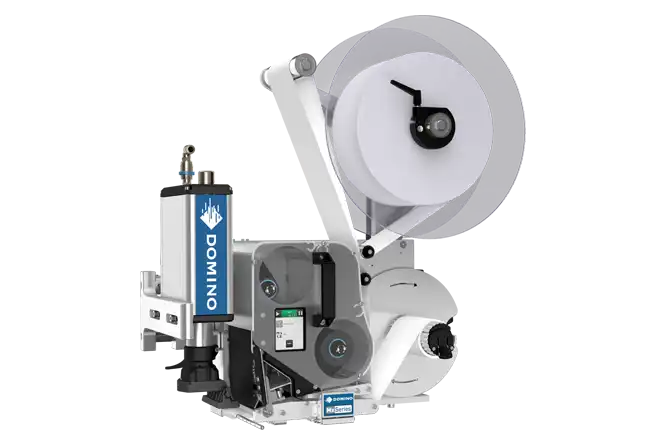
TTO Printer
Thermal transfer overprinters (TTO) mark flexible packaging, such as films and tubular pouches, with excellent precision. A thermal print head transfers the ink using heat.


Contact Us