

Label Cables and Pipes
Reliable marking at high speeds: even on rotating, heat-resistant, or hard-to-print materials.
The marking of cables, pipes, and extruded plastic profiles places special demands on printing technology and ink. These products are typically round, flexible, or processed directly from the hot extrusion process, often at line speeds of several hundred meters per minute.
To ensure that text, length markings, or barcodes adhere permanently and remain clearly legible on surfaces, precisely coordinated systems are required: from special ink to precise mechanical guidance along the production line.
Contact UsWhy do extruded products such as cables and pipes need to be marked?
Product Identification and Traceability: Manufacturer information, part numbers, serial numbers, or timestamps ensure seamless traceability from production to the construction site. For safety-critical products such as power lines or pressure pipes, this transparency is mandatory.
Precise Length and Positioning Markings: Many cables and hoses are continuously marked with meter indications or cut marks. These markings must be precisely placed, abrasion-resistant, and reproducible with high accuracy despite constant movement.
Compliance with Standards and Regulations: In industries such as construction, energy, automotive, and medical technology, there are strict requirements for material documentation and labeling. The markings must withstand all testing standards and environmental conditions.
Challenges
Depending on the material, processing temperature, and speed, specific requirements arise for the marking technology:
Rotation and Vibration
Extruded products such as cables or hoses rarely move through the line in a completely rigid manner. To ensure a clear print image, the print output must be precisely synchronized with the line speed using appropriate sensors.
High Temperatures and a Wide Variety of Materials
Many materials are marked while hot. In addition, surfaces vary greatly: from smooth PVC and PE to silicone and rough rubber. Inks and laser settings must be adjusted to suit the specific surface and temperature.
Maximum production speed
In extrusion, speeds of several hundred meters per minute are common. The markings must dry extremely quickly, remain high-contrast, and be applied without causing any downtime.
Would you like to request a free test print on your product?
Go to the Sample Print ServiceAppropriate Technologies
For cables, tubes, and extruded profiles, systems designed for continuous operation at high speeds are the preferred choice:
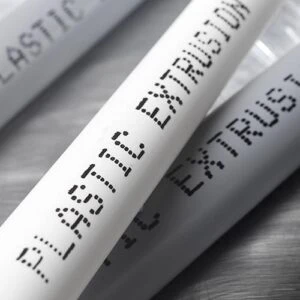
Continuous Inkjet (CIJ)
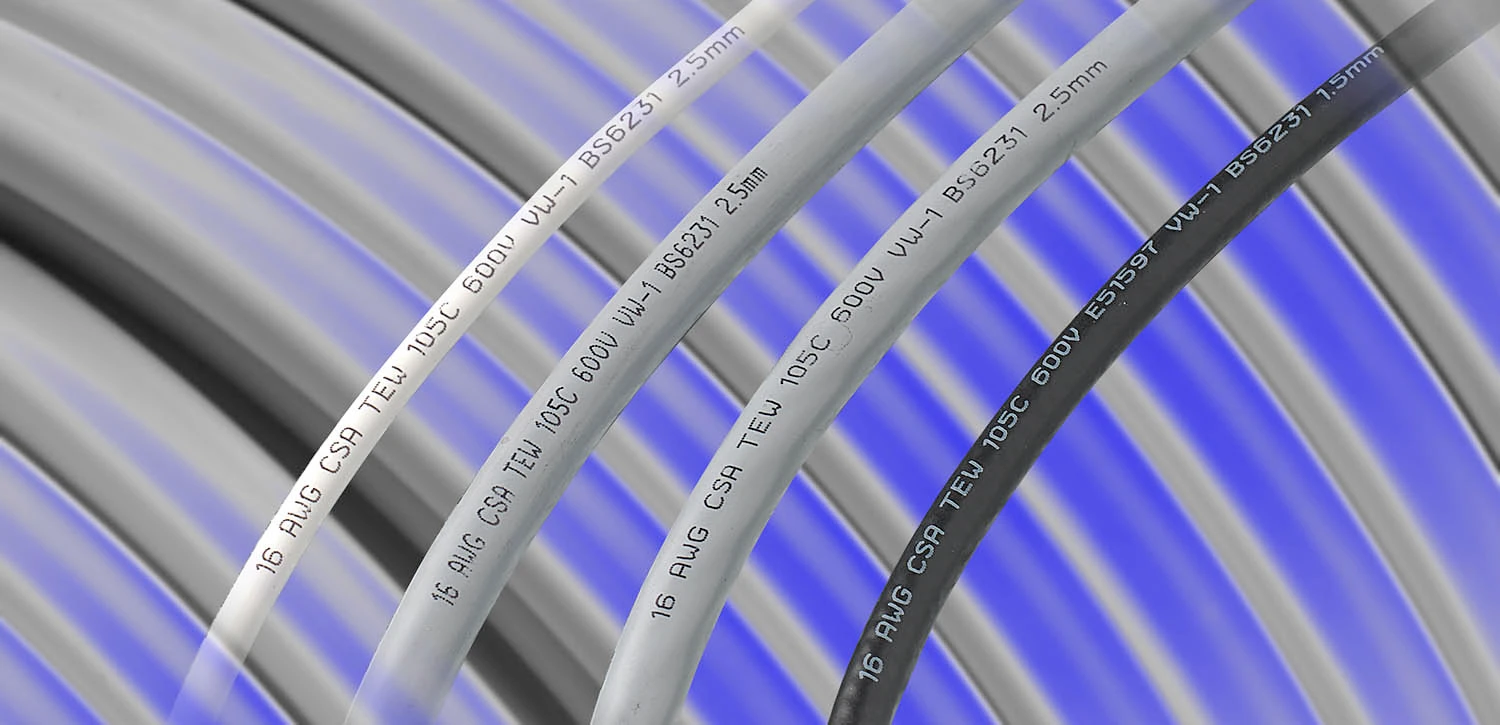
CIJ systems are the industry standard in extrusion. They mark moving and round products completely contact-free. Using specially developed, high-adhesion, or pigmented inks, even dark or hard-to-print materials such as PE, PVC, PTFE, and rubber can be marked with high contrast.
Ideal for: length measurements, serial numbers, variable data, curved or flexible surfaces, and the highest line speeds.
Learn More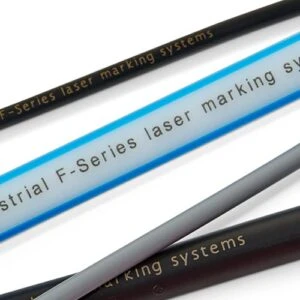
Laser Marking
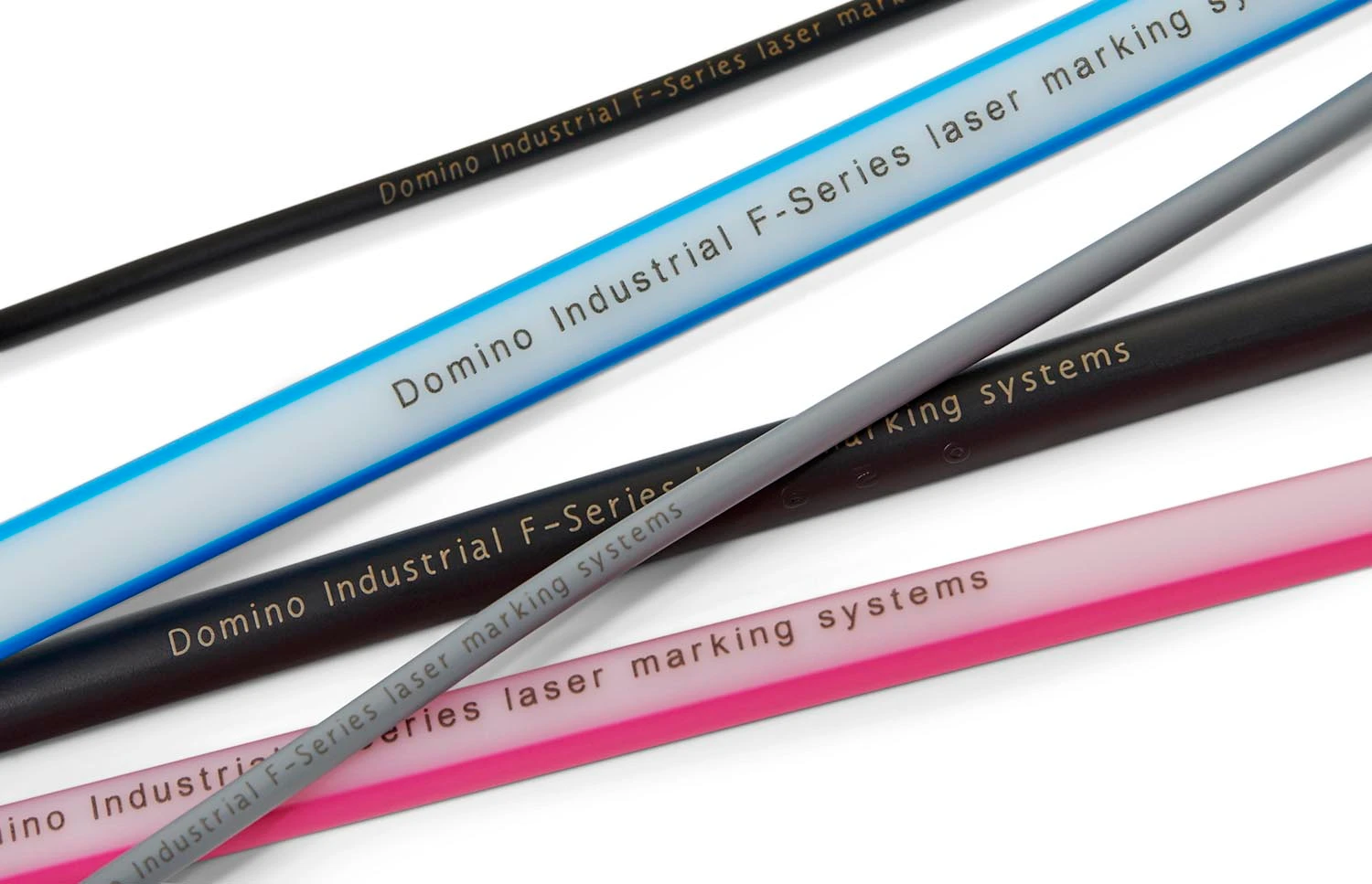
Lasers provide a completely consumable-free and permanent marking method using color change or micro-engraving. This process is particularly well-suited for thermally activatable plastics and smooth surfaces.
Ideal for: Abrasion-resistant markings, fine geometries, inspection marks, and maintenance-free continuous operation without ink.
Learn More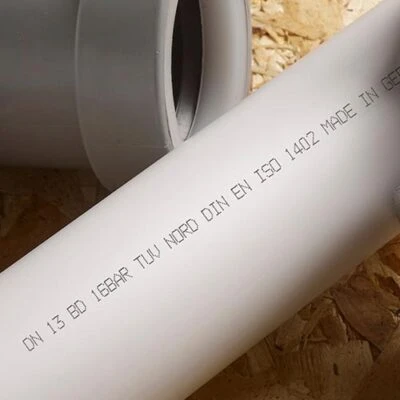
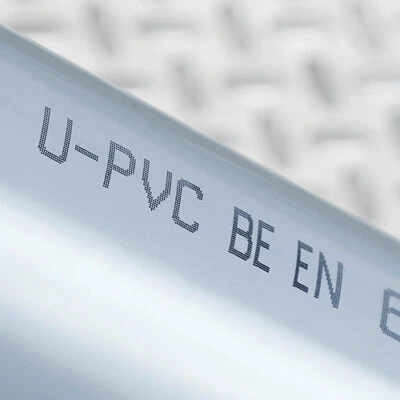
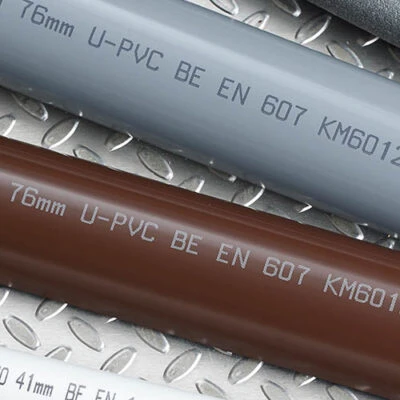
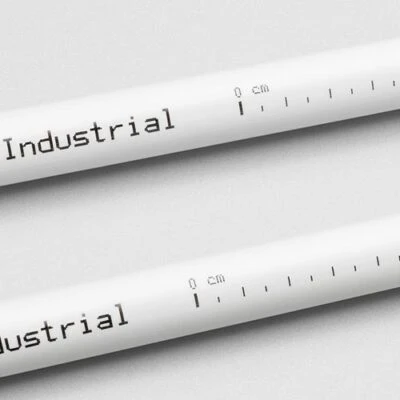
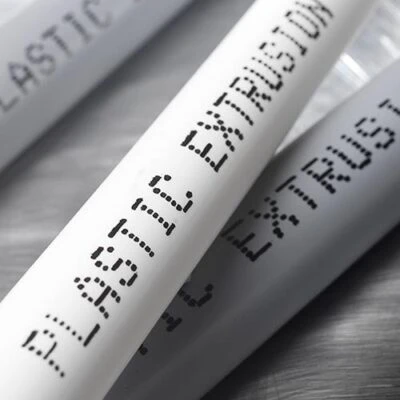
Print Samples
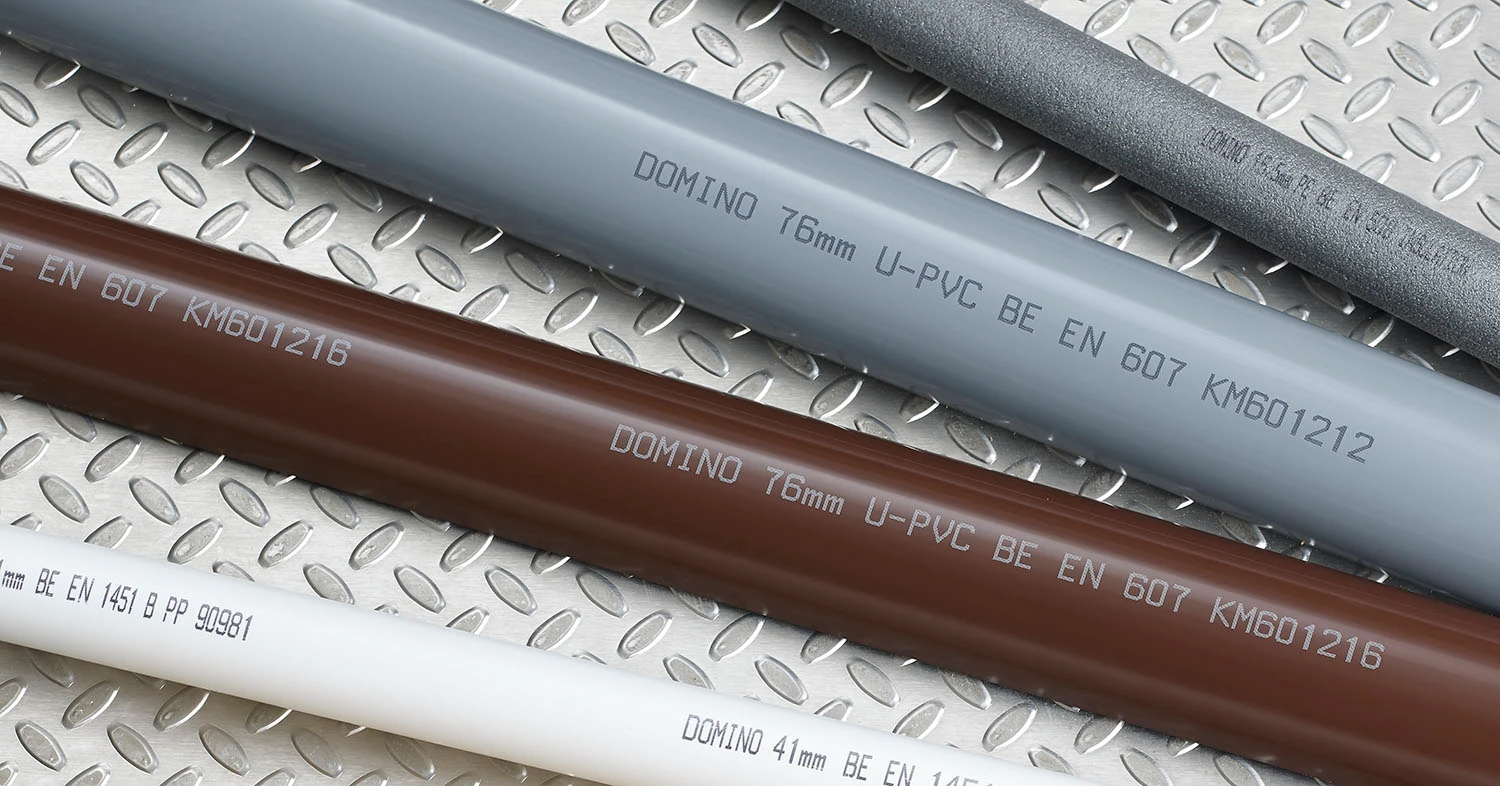
These application examples demonstrate precise coding and marking using continuous inkjet and laser technology on a wide variety of extruded materials. Whether it’s high-contrast metric length markings on black PE pipes, fine specification prints on flexible silicone hoses, or abrasion-resistant test symbols on insulated power cables: These examples illustrate the optimal combination of technology, ink, and line guidance for a razor-sharp, long-lasting result.
We have the right solution for every product shape and every material class. We’d be happy to test the marking free of charge directly on your original material to ensure ink adhesion, drying time, and contrast under real-world conditions.
Send us your material sample for a free print test on your product.
Case Study:
CIJ Marking at Pipelife
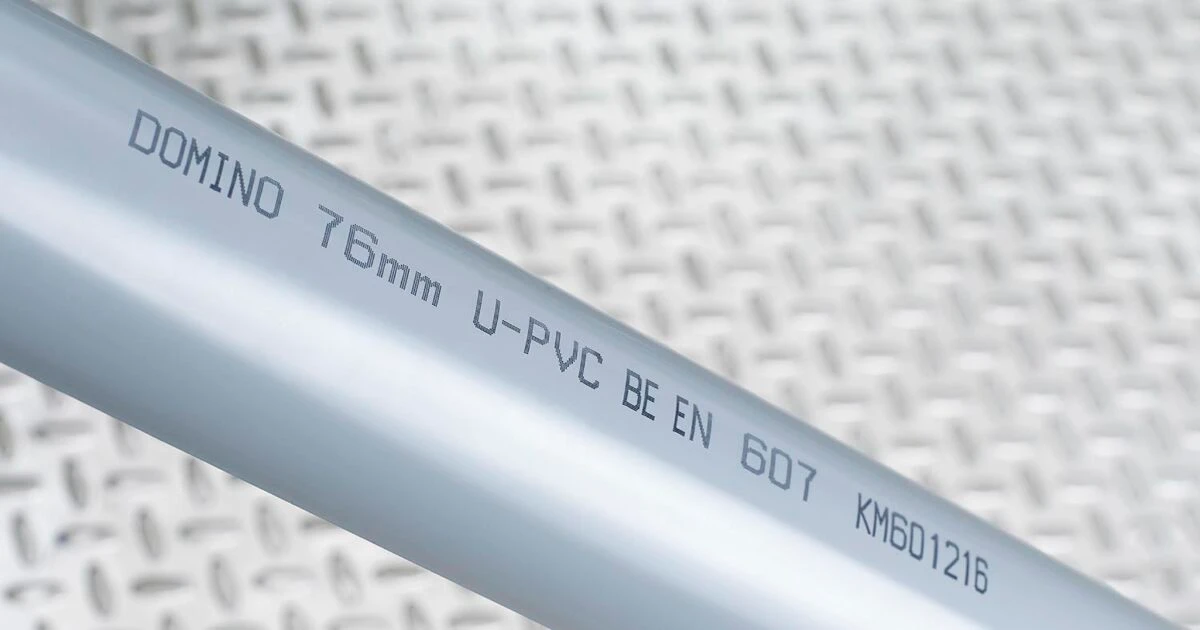
At the pipe manufacturer Pipelife, plastic pipes are printed directly on the extrusion line at a line speed of up to 240 m/min. Domino’s CIJ systems enable high-contrast, permanent marking, even on smooth, black PE surfaces.
Problem-Solving
Understanding Your Application: We analyze your extrusion line, the material properties, and the requirements for length markings, logos, or codes.
Select a technology: You will receive a comprehensive solution tailored to ink adhesion, drying time, line speed, and positioning.
Feasibility Testing: In real-world tests, we evaluate print quality and adhesion directly on your material samples—taking rotation and speed into account.
Commissioning and Support: From mechanical integration into your production line to training your operating personnel, we support you with technical expertise and reliable service.


Contact Us