

Labeling Wood and Fiberboard Panels
Reliable marking on rough, porous, and challenging surfaces: from solid wood to OSB.
In the wood and panel processing industry, marking is a key component of product identification, traceability, and logistics. Unlike smooth packaging materials, materials such as plywood, OSB, MDF, and particleboard place specific demands on marking technology.
Labeling is often performed under challenging conditions on absorbent, dusty, or damp surfaces. At the same time, codes, text, and logos must remain permanently legible on large-area materials, often at high line speeds and with varying formats.
Contact UsWhy do wood-based and fiber-based panels need to be labeled?
Traceability and Identification: Production data, lot numbers, and manufacturer information are essential for internal processes, quality control, and regulatory compliance. Permanent labeling ensures transparency throughout the entire supply chain.
Logistics and Warehouse Management: Markings on the surface or edges of the panels make it easier to identify them in the warehouse and during transport. Clearly legible text and barcodes simplify automatic data capture and prevent mix-ups.
Visibility and Brand Presence: For visible building components, logos, quality marks, and certification labels shape the visual impression. Therefore, the lettering must stand out clearly against even rough or dark surfaces.
Challenges
Depending on the material and production environment, specific requirements arise for the printing technology:
Surface Finish
Wood, OSB, MDF, and particleboard have rough, porous, or uneven surfaces. The ink must adhere to absorbent and fibrous surfaces without bleeding.
Dust and Environmental Factors
Wood dust, residual moisture, and mechanical abrasion can compromise print quality. This calls for robust systems and inks with extremely high adhesion.
Format Sizes and Positioning
Large-format panels are processed in various orientations. The markings must be applied flexibly to edges, end faces, or surface layers.
Would you like to request a free test print on your product?
Go to the Sample Print ServiceAppropriate Technologies
For wood-based and fiberboard panels, different systems are used depending on the material, print image, and speed:
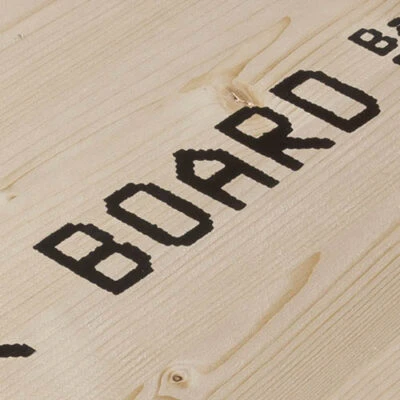
Drop-on-Demand (Large Print / DOD)
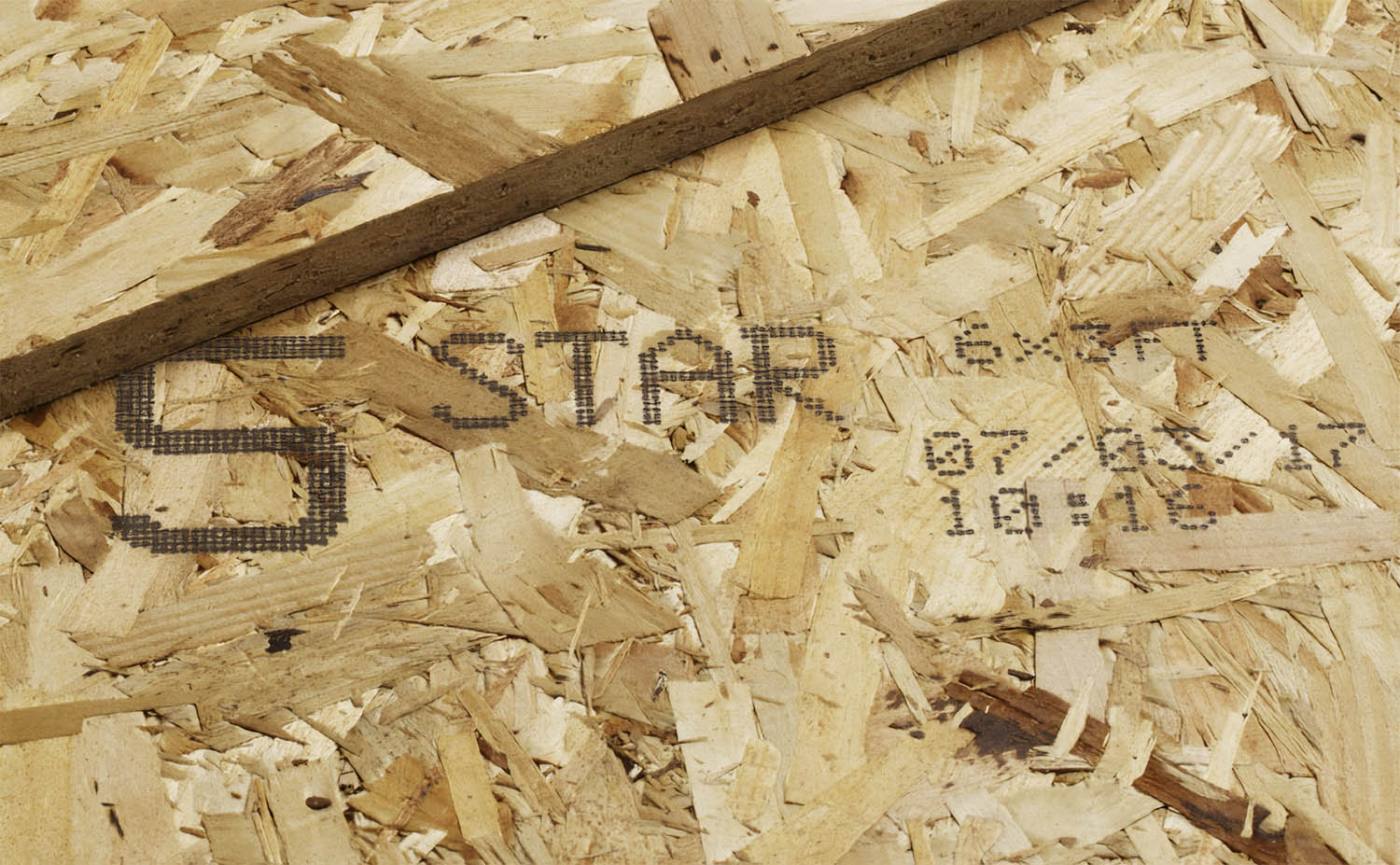
DOD systems are ideal for rough and highly absorbent surfaces. They print large, highly visible markings directly onto the panel.
Ideal for: Rough surfaces, large font sizes, logos, quality marks, and harsh production environments.
Learn More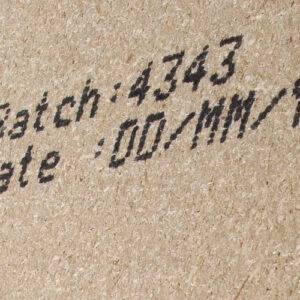
Continuous Inkjet (CIJ)
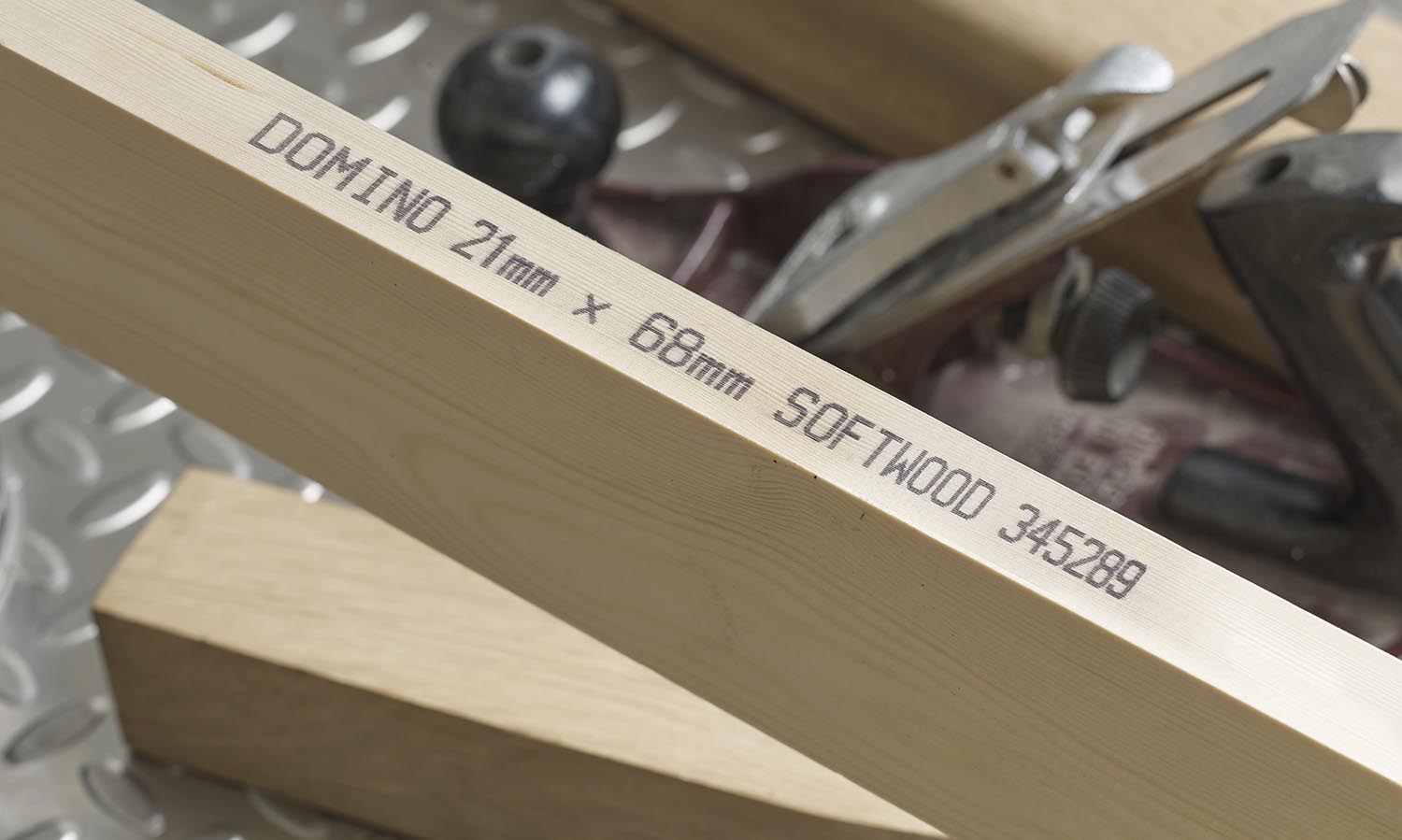
CIJ printers mark plates contactlessly using small- to medium-sized character sizes. They easily process variable data, such as serial numbers or times, at high production speeds.
Ideal for: Running production lines, small- to medium-sized fonts, variable codes, and changing data.
Learn More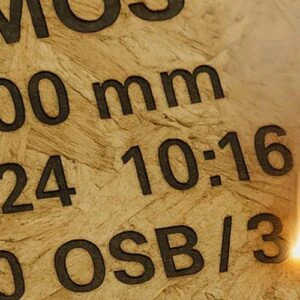
Laser Systems
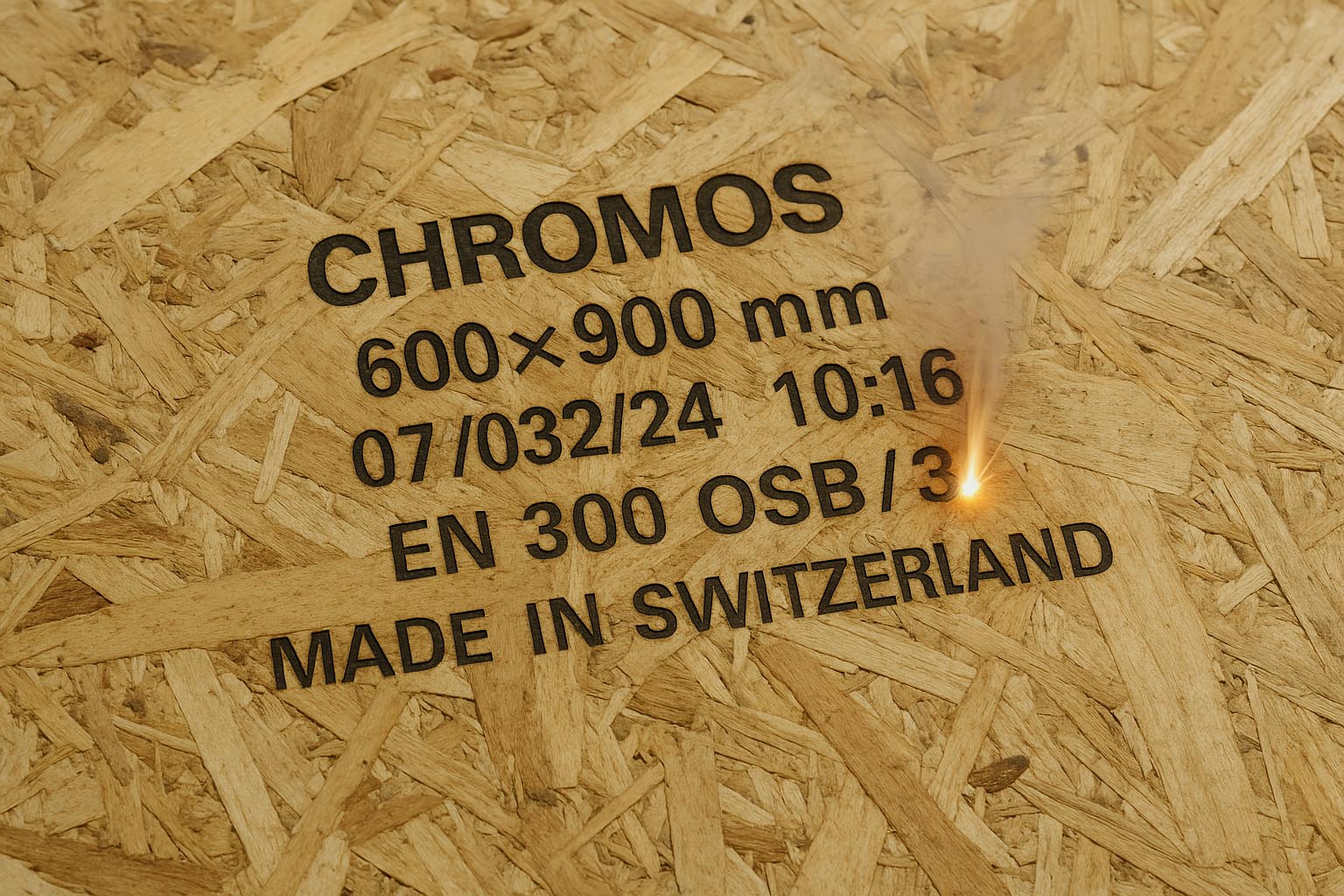
Lasers create a crisp, permanent mark through engraving or color changes. The process requires no ink or consumables whatsoever.
Ideal for: Fine markings, inspection symbols, painted or coated surfaces, and permanent markings.
Learn More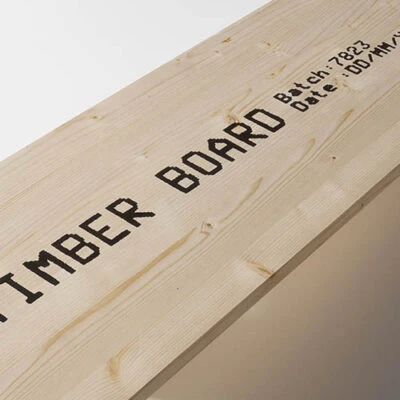
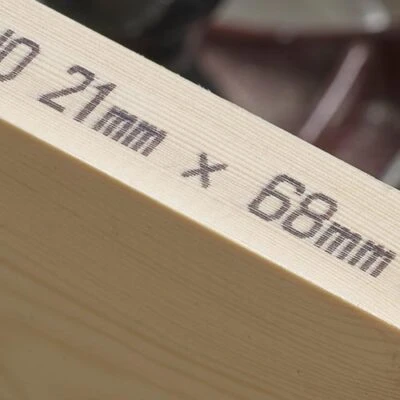
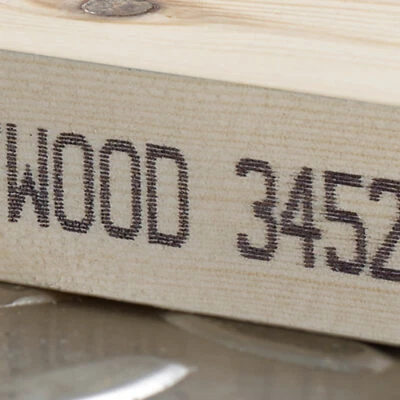
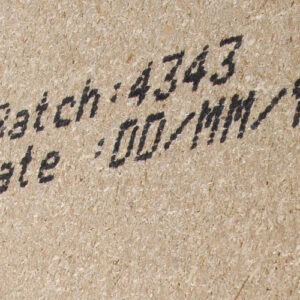
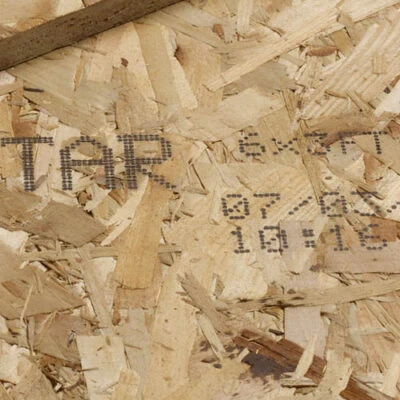
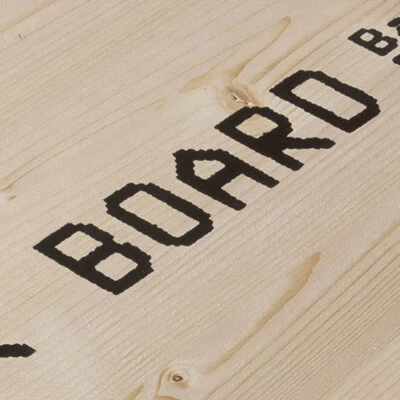
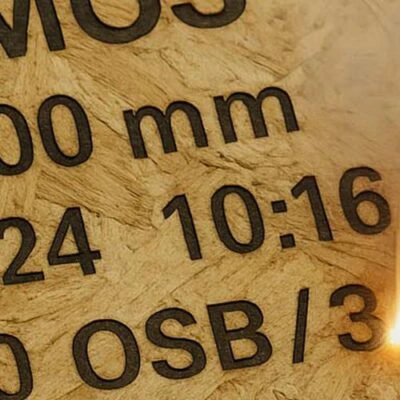
Print Samples
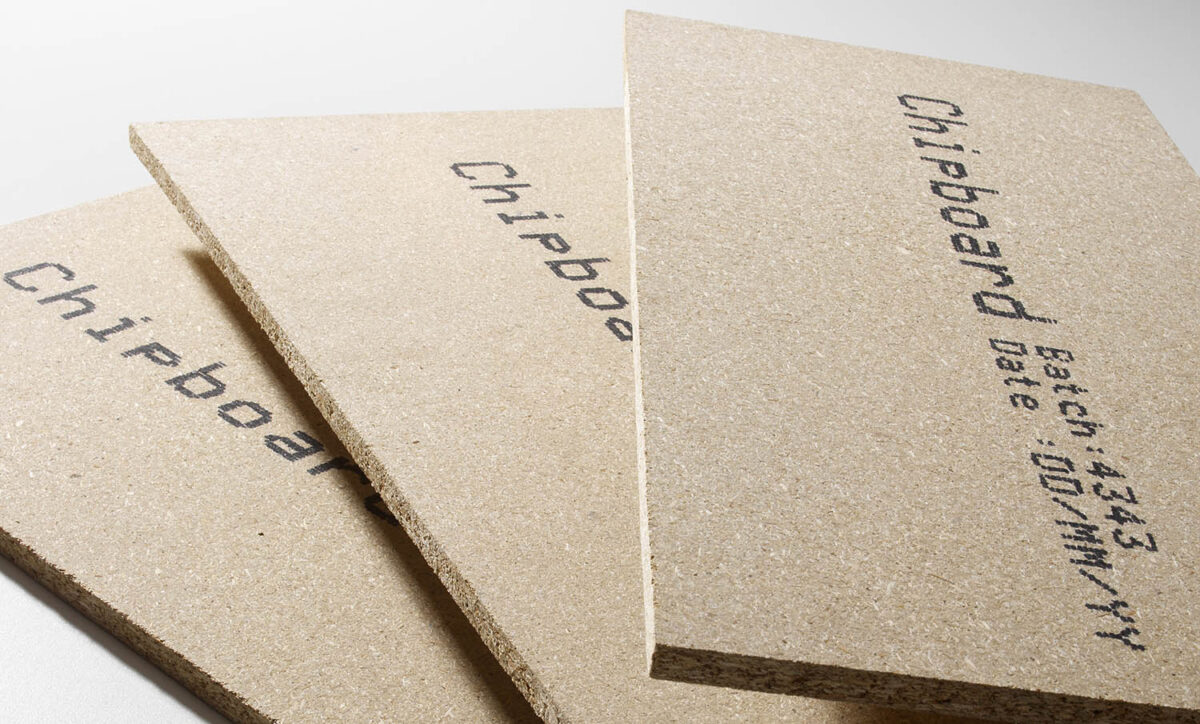
These application examples demonstrate precise coding and marking with ink and laser on a wide variety of wood and fiberboard materials. Whether large logos on rough OSB panels, smudge-resistant edge markings at high line speeds, or fine engravings on treated solid wood: These examples illustrate the optimal combination of technology and material for a clean, permanently legible result in real-world applications.
We have the right solution for every material and every production environment. We’d be happy to test the print free of charge directly on your original material to ensure adhesion, contrast, and readability under real-world conditions.
Send us your material sample for a free print test on your product.
Problem-Solving
Understanding Your Application: We analyze your production environment, the material properties, and the requirements for placement, durability, and readability.
Select a technology: You will receive a customized solution tailored to your line speed, print size, and environmental conditions.
Feasibility Testing: In real-world tests, we evaluate print quality, adhesion, and contrast directly on your original plate samples.
Commissioning and Support: From integration into your production line to training your team, we support you with technical expertise and reliable service.


Contact Us