
Industrial Labeling
Flexible labeling with variable data for products, packaging, and pallets
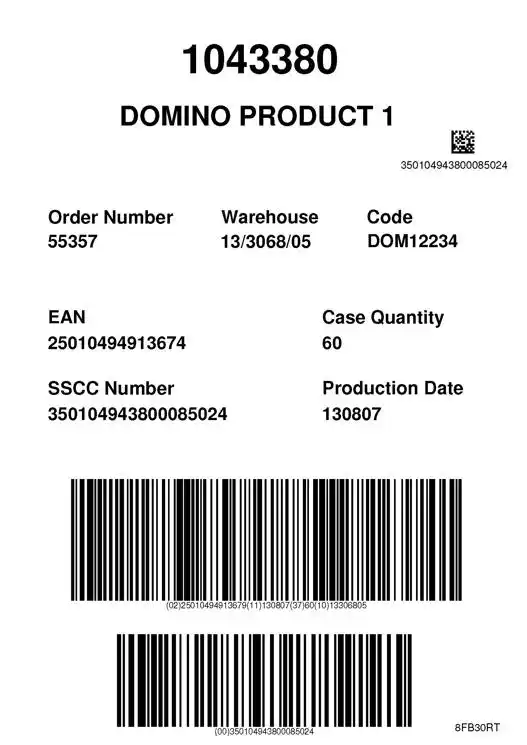
Industrial labeling allows products, packaging, and pallets to be marked by applying labels. In addition to fixed information, variable data such as batch codes, serial numbers, barcodes, 2D codes, or shipping information can also be displayed on the label.
Depending on the application, labels are either preprinted or have variable data added during the production process. They are then applied manually or automatically to products, boxes, containers, or pallets.
Industrial labeling systems are used in particular in situations where information needs to be provided flexibly, logistics processes need to be supported, and products need to be reliably tracked.
Contact UsHow does industrial labeling work?
In industrial labeling, information is printed on a label and then precisely applied to products, packaging, or pallets.
Provide labels
Labels are supplied in rolls. Depending on the application, they may be blank or may already contain specific information such as logos, product designs, or static markings.
Add variable data
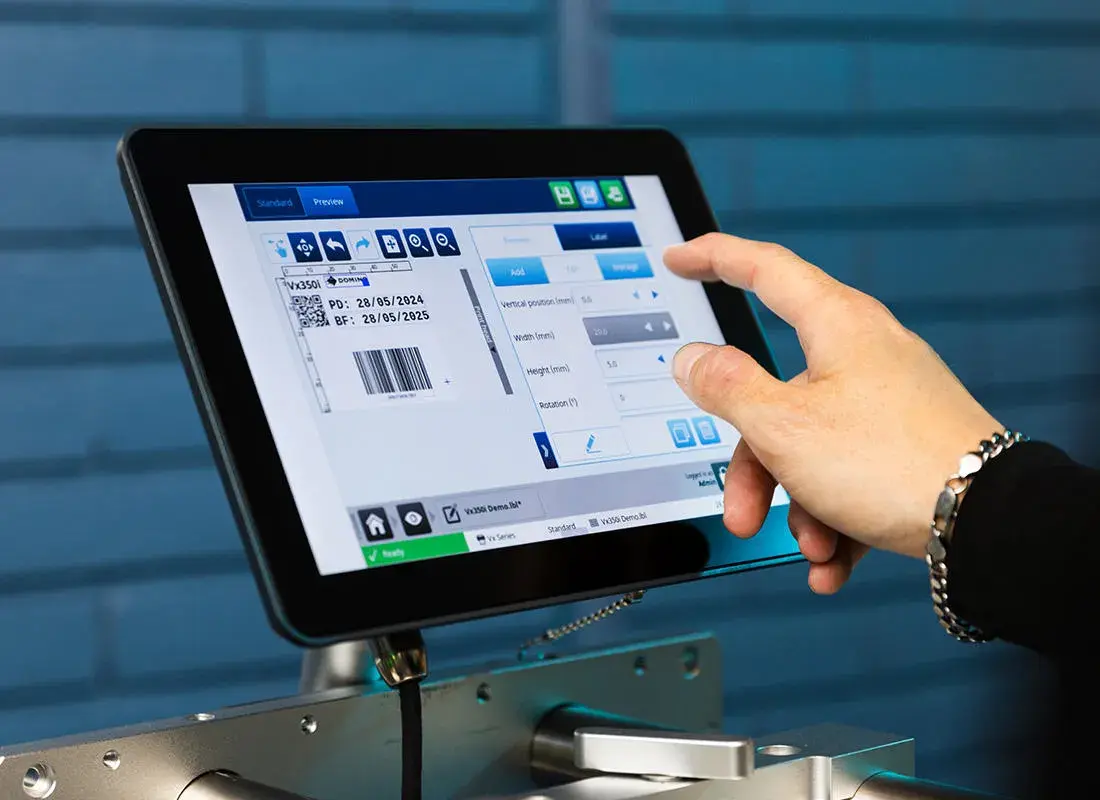
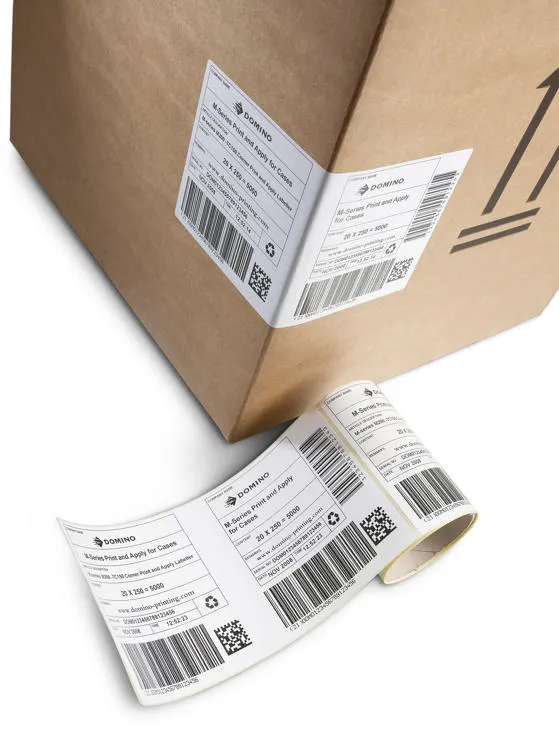
Variable information such as lot codes, serial numbers, barcodes, 2D codes, or shipping data is printed on the label as needed. Various printing technologies, such as thermal transfer, inkjet, or laser printing systems, are used for this purpose.
Apply a label
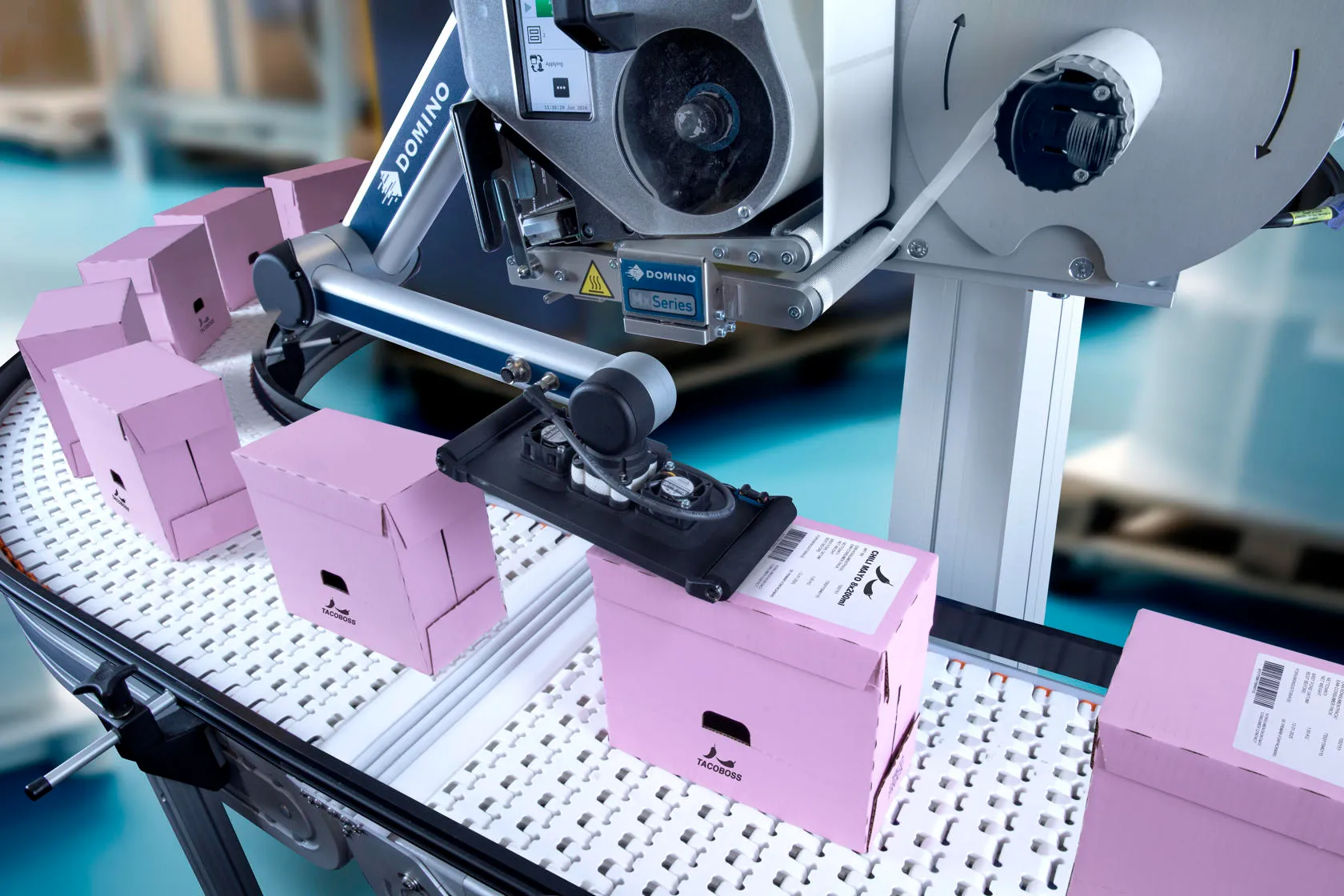
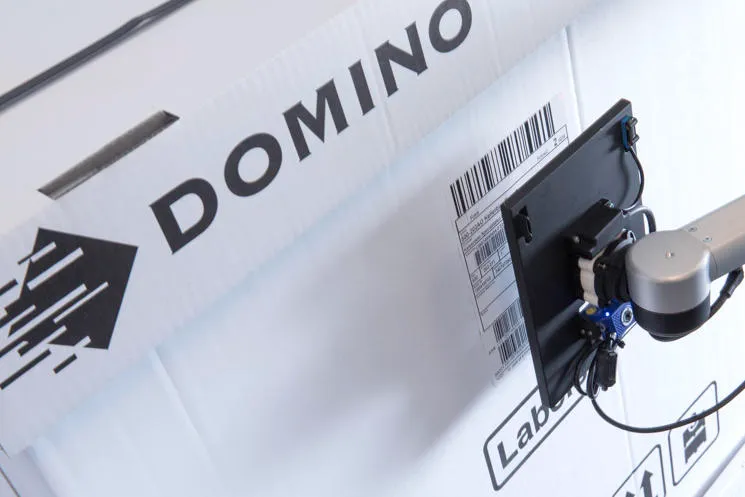
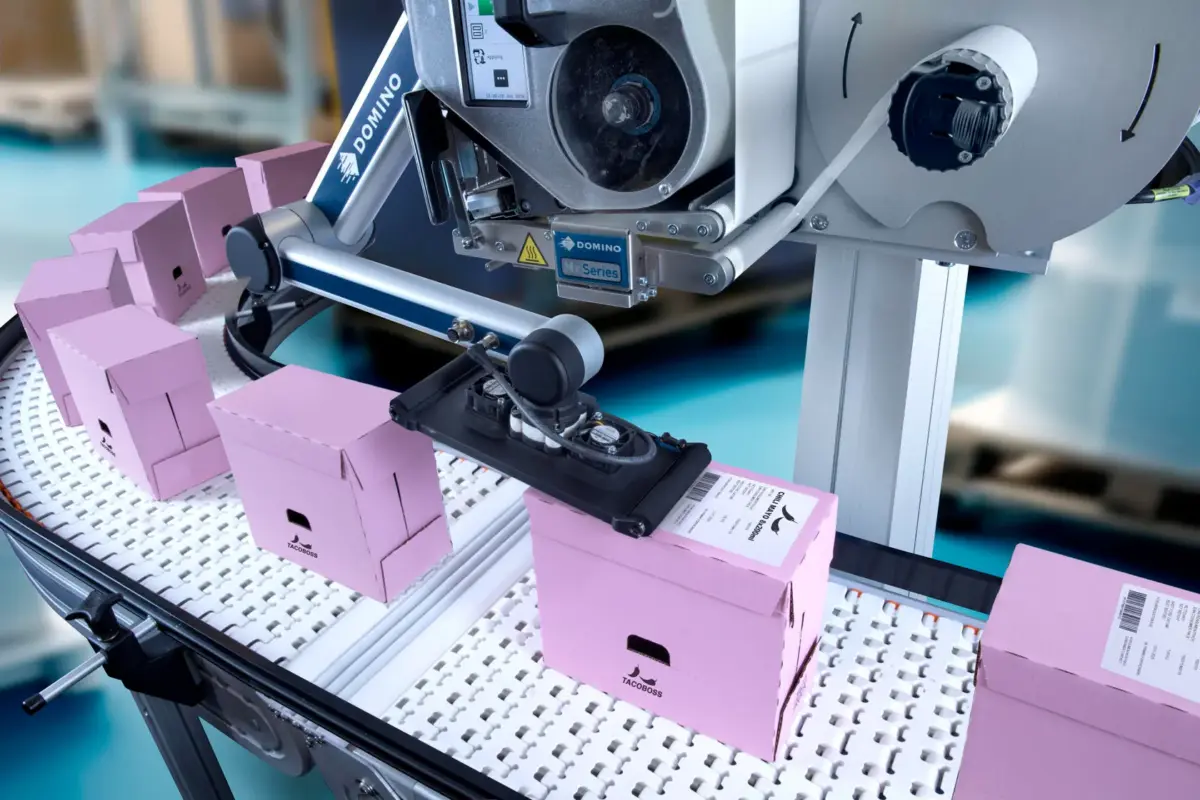
The label is applied to the product automatically. Depending on the product's geometry, surface, and speed, roll-on, tamp, blow, or corner-wrap applicators, for example, are used.
Industrial labeling offers a particularly high degree of flexibility when it comes to marking variable data. This technology is especially well-suited when large amounts of information, GS1 data, barcodes, 2D codes, or logistics information need to be displayed in a flexible and easily readable manner.
Our Labeling Solutions
Various labeling solutions are available to meet different labeling requirements. The choice of the appropriate solution depends on the information requirements, the degree of automation, and the characteristics of the product and packaging.
Mx Series
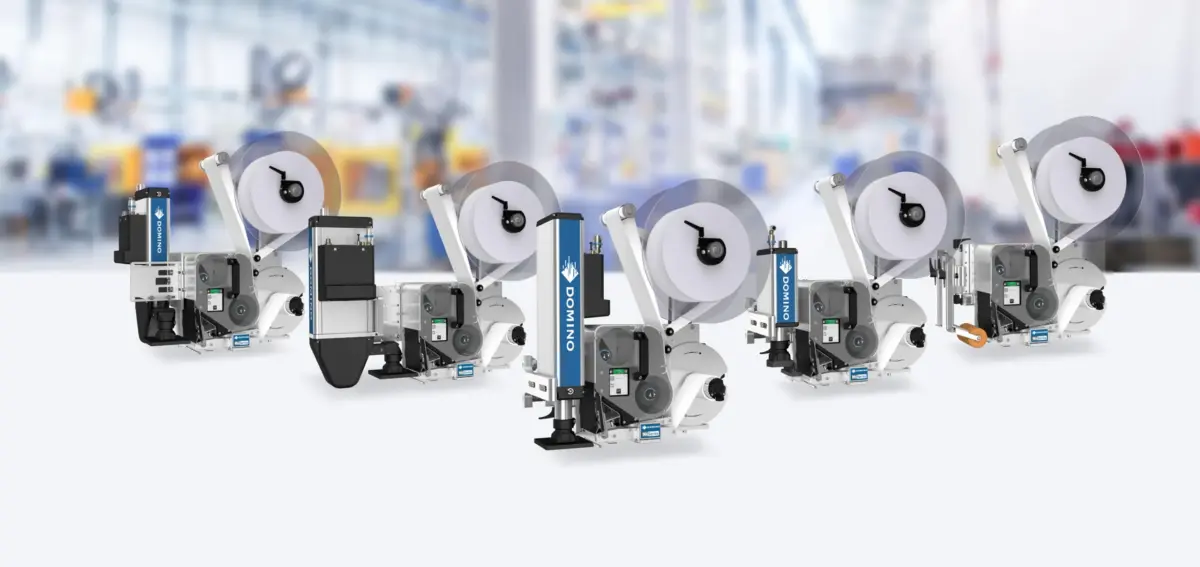
Print & Apply Systems
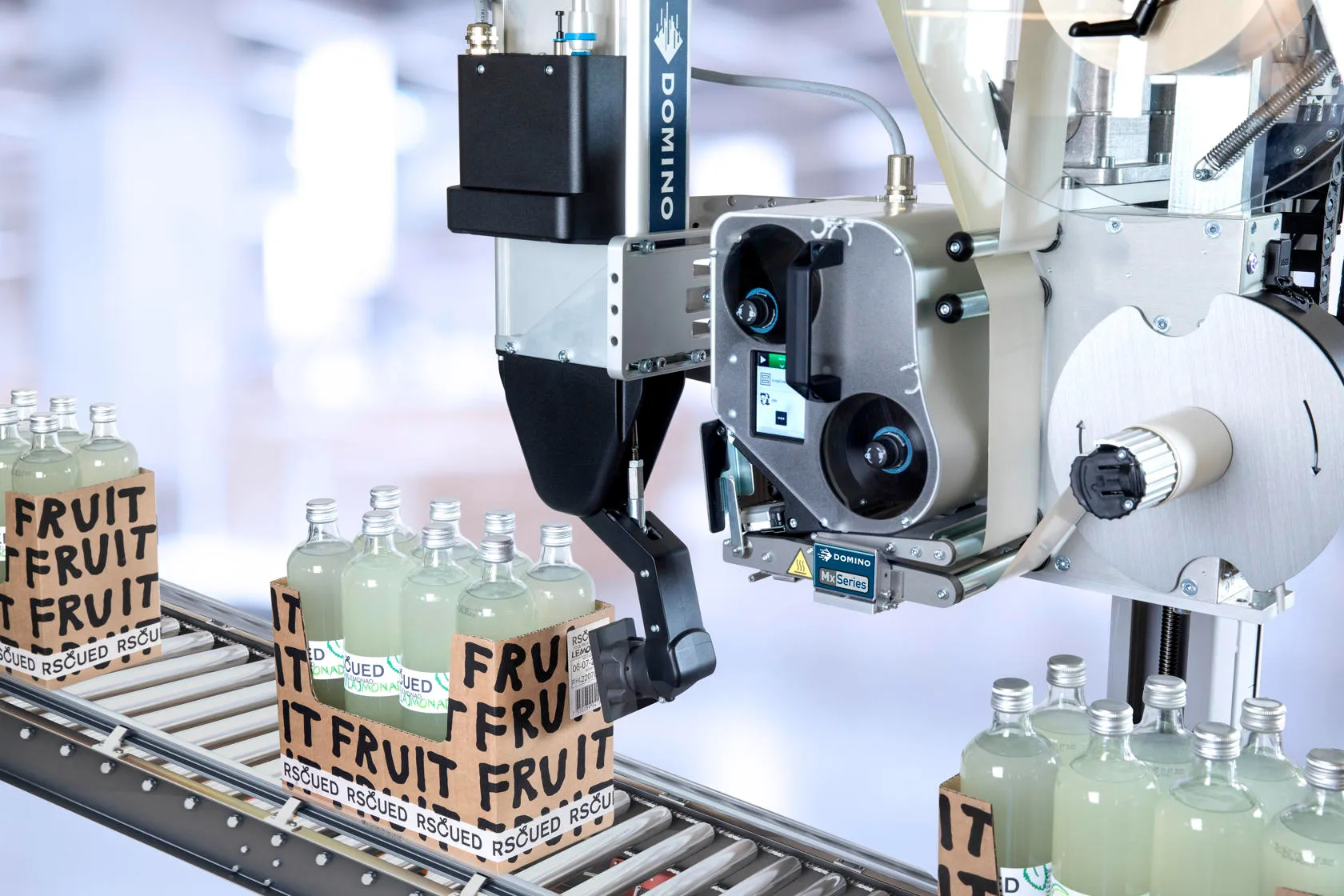
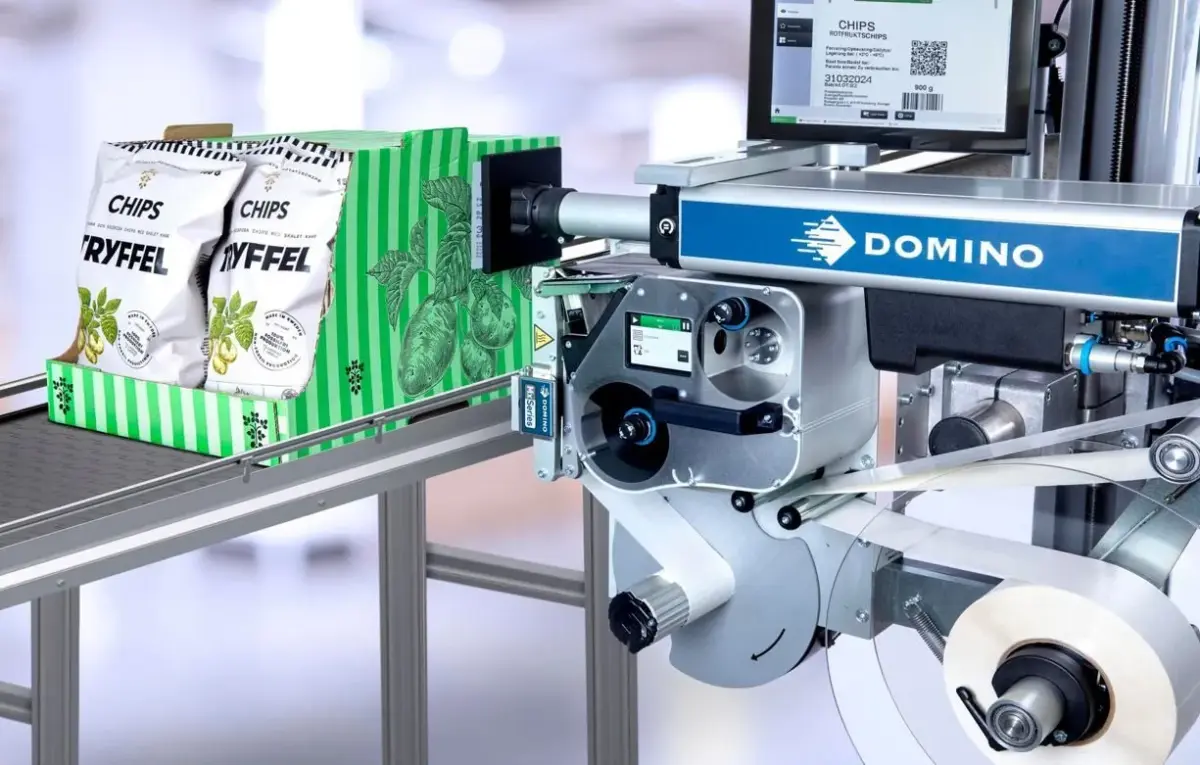
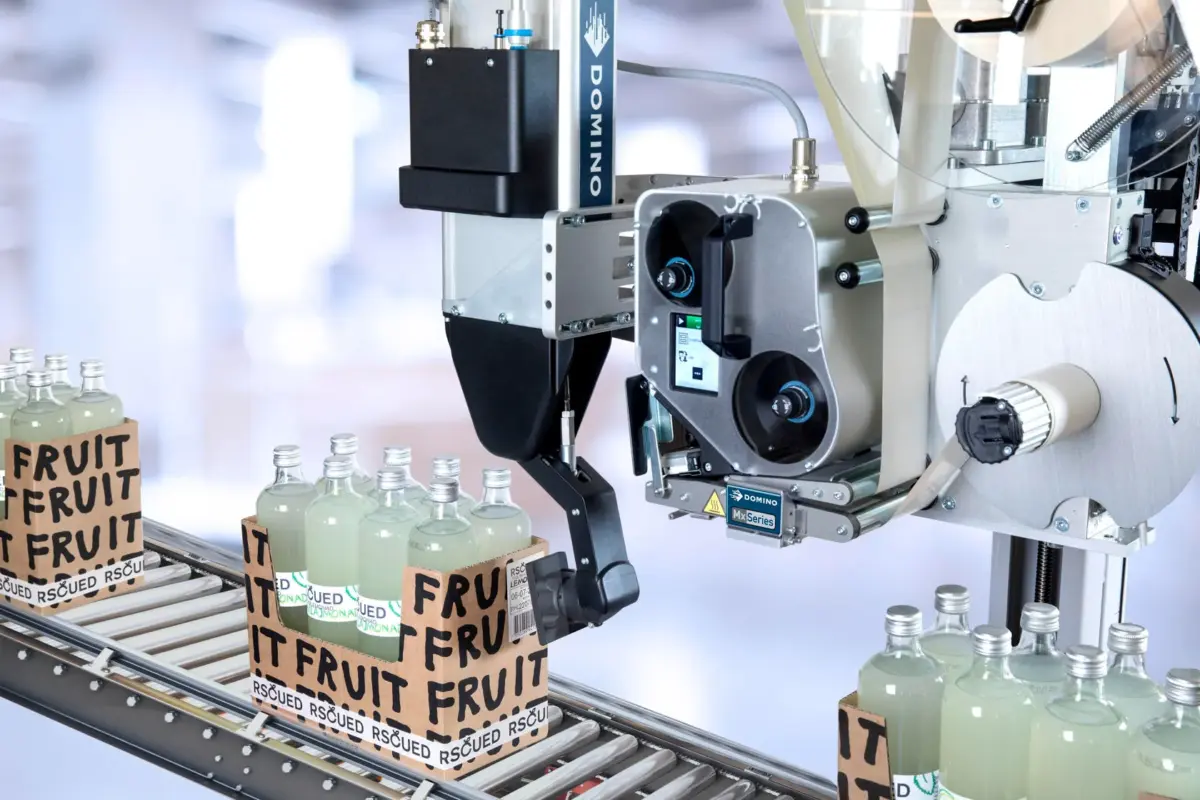
Automatic printing of variable data and precise application of labels to products, packaging, and logistics units. A variety of applicators allow for adaptation to a wide range of applications.
Intrex Labeling Systems
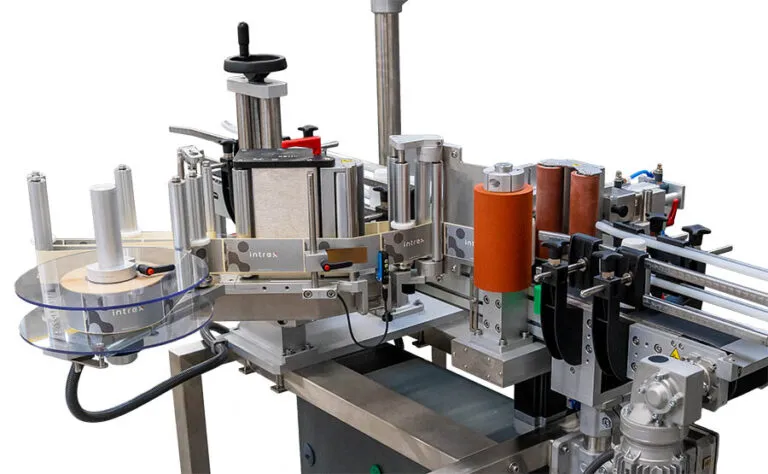
Labeling Modules & Customized Turnkey Solutions
From individual labeling modules to fully integrated labeling systems. Customizable solutions for products, primary packaging, cartons, and complex production lines.
Benefits of Industrial Labeling
Laser marking offers a durable and precise alternative to ink-based marking methods. Thanks to various laser technologies, the solution can be tailored to a wide range of materials and applications.
Flexible for changing data
Variable data: Batch numbers, serial numbers, barcodes, or shipping information can be flexibly customized.
Easy product changes: New products or packaging variations can be implemented without making any changes to the product itself.
Ideal for small batch sizes: Suitable for dynamic production and logistics processes.
Plenty of space for information
Large labeling area: Labels offer significantly more space than many direct labeling methods.
Clear presentation: Plain text, barcodes, and 2D codes can be combined in a well-organized manner.
High readability: Even large amounts of information remain easy to grasp.
Versatile
Flexible Application: Various application methods allow for use on a wide variety of surfaces.
Can be automated: From individual labeling modules to fully integrated production lines.
Limitations of Industrial Labeling
Unlike direct marking, labels must be supplied, processed, and applied.
Additional process step
Unlike direct marking, labels must be supplied, processed, and applied. This increases the complexity of the marking process and may require additional system components.
Consumables
Industrial labeling requires labels and, depending on the printing method, other consumables. This results in ongoing operating costs and requires the provision of suitable label rolls.
Speed
Since labels must be physically applied, this technology reaches its limits at very high production speeds. For simple marking of individual products moving at high speeds, direct marking technologies such as inkjet, thermal transfer, or laser systems can often be the more cost-effective solution.
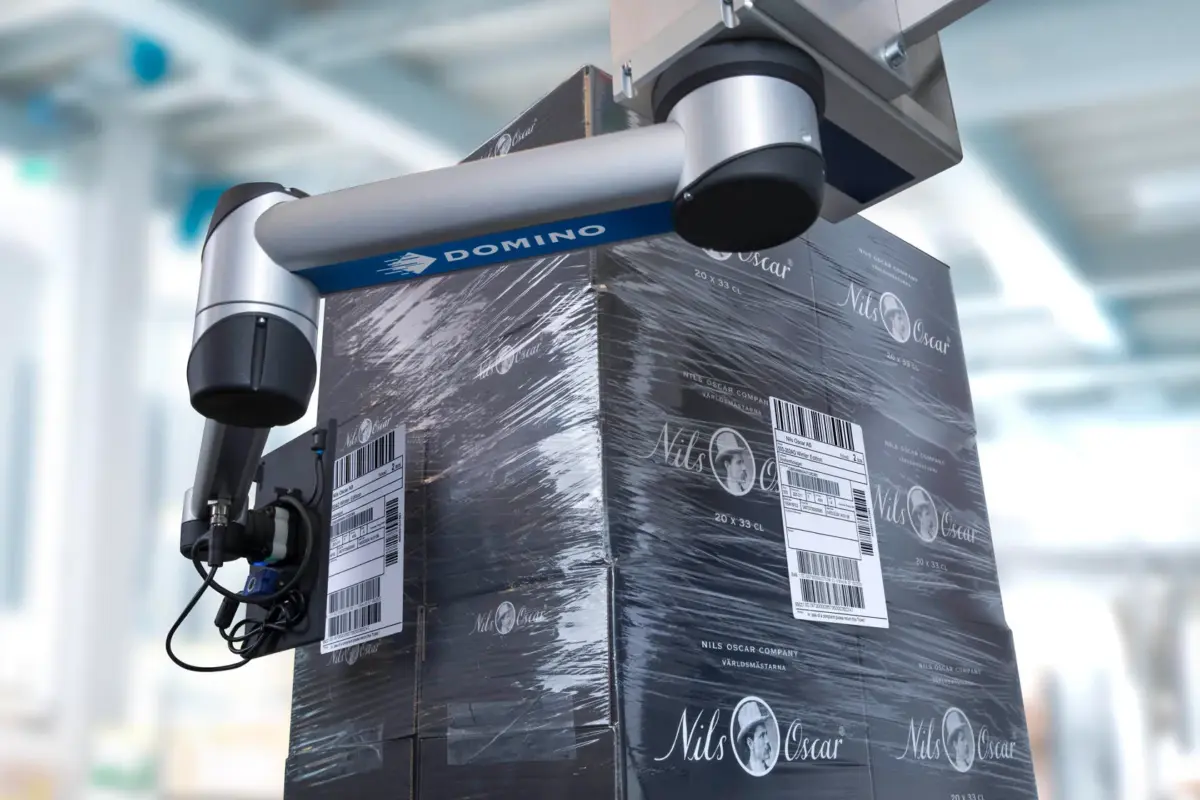
Labels are particularly well-suited for applications involving variable data, high traceability requirements, and the labeling of secondary and tertiary packaging.



Applications & Substrates
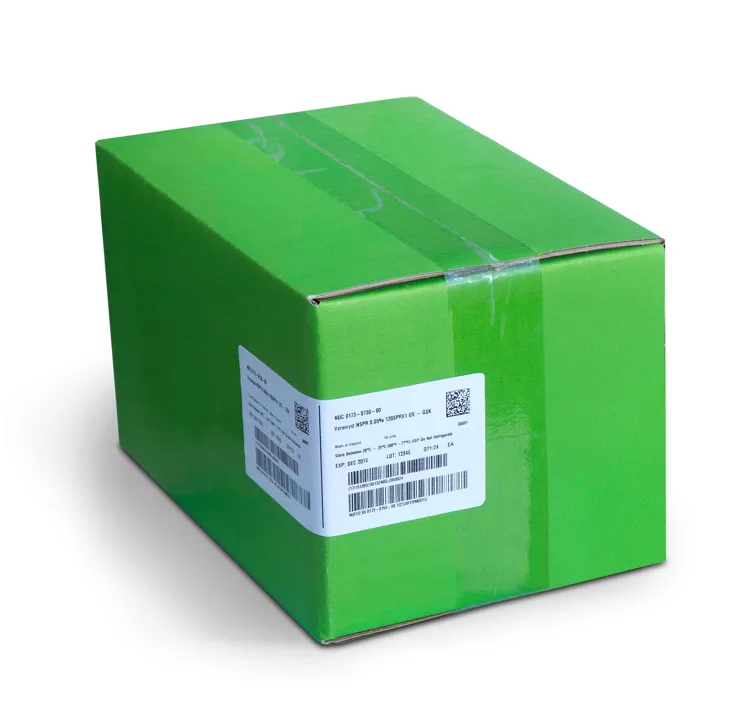
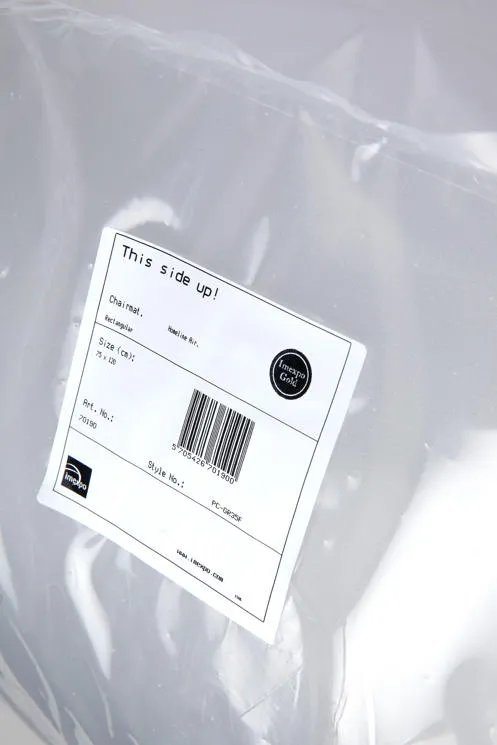
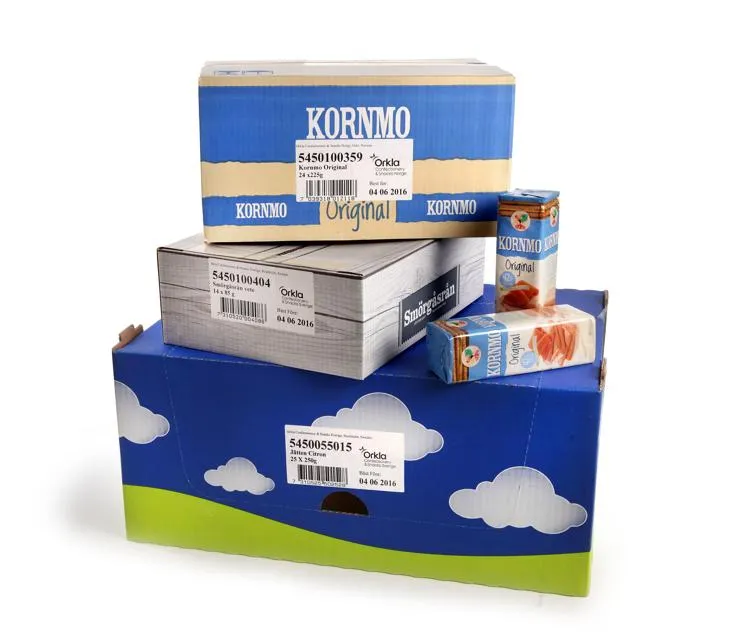
From individual products to entire pallets: Industrial labeling is suitable for a wide variety of applications, packaging types, and materials. The right solution depends on the labeling requirements, the degree of automation, and the characteristics of the product and the surface.
Products & Primary Packaging
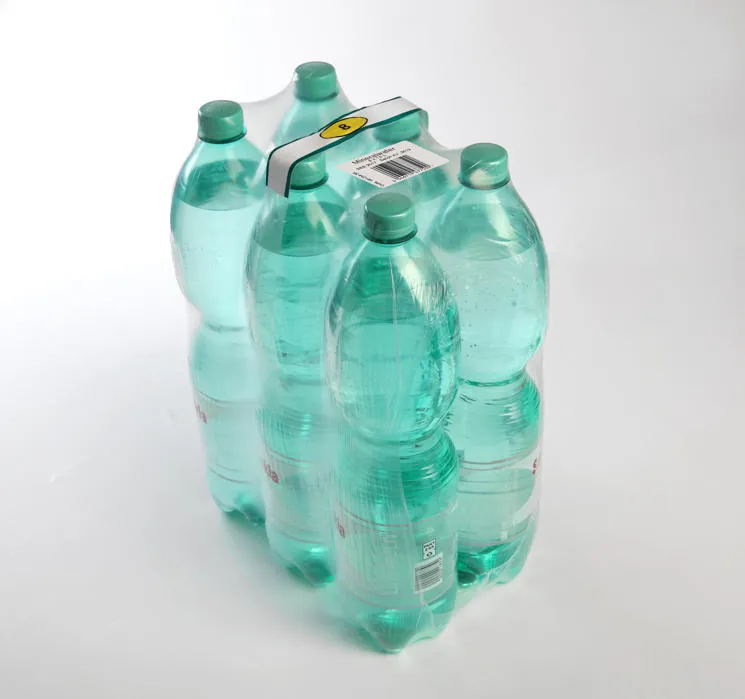
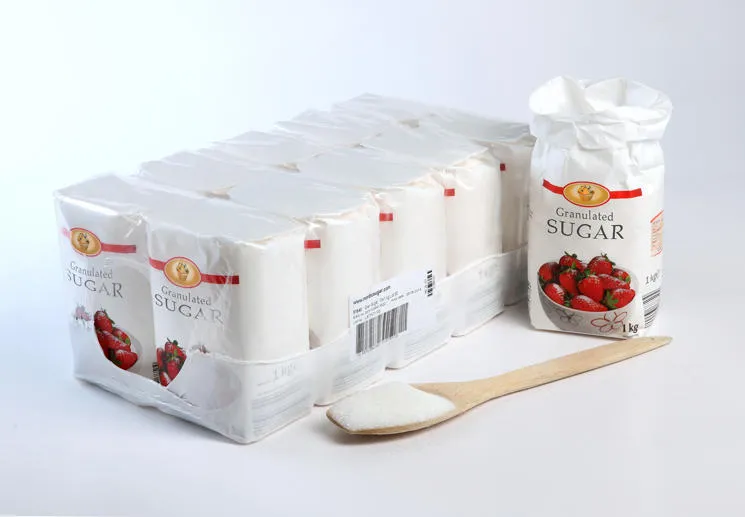
Labeling products and retail packaging with variable data, barcodes, and 2D codes.
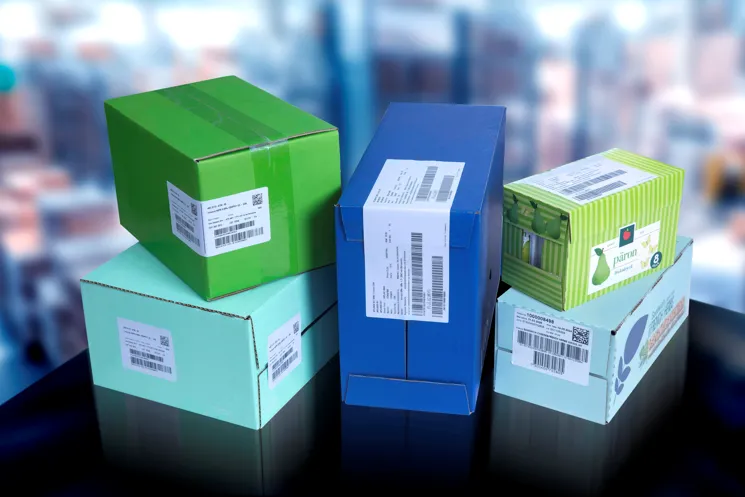
Secondary & Tertiary Packaging
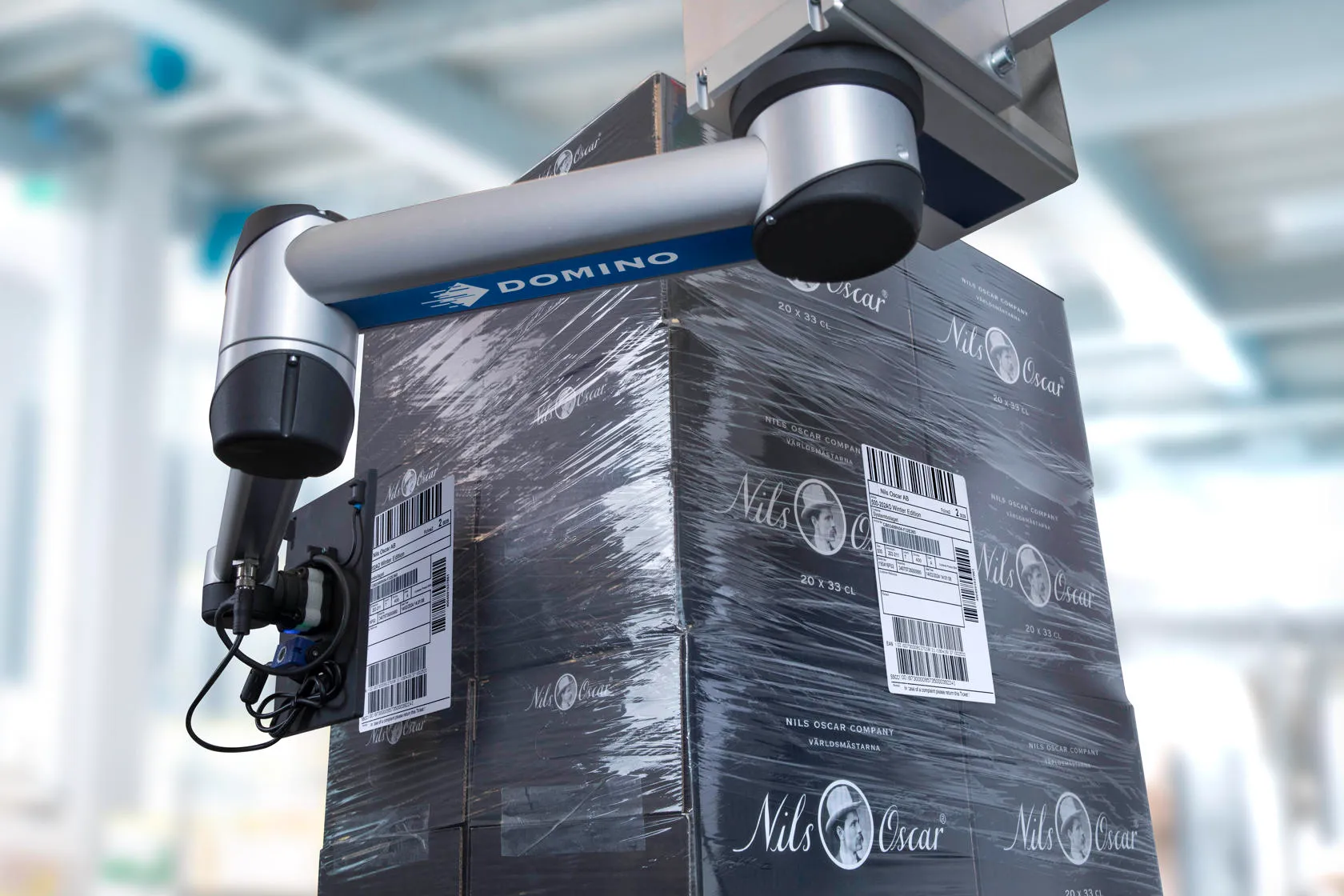
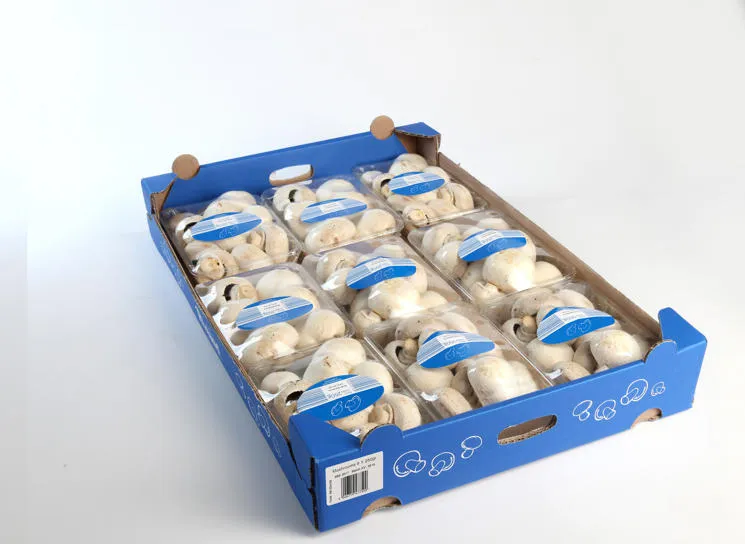
Flexible labeling of cartons, trays, containers, and pallets for traceability and logistics processes.
A wide variety of materials
Suitable for cardboard, paper, plastics, films, and numerous other packaging and labeling materials.
Not sure if labeling is right for your application? We'll test your substrate for free in our lab.
About the Test Print Service
Contact Us