
CIJ, TIJ, TTO, laser, large-character printing, or labeling: The choice depends on more than just the desired print image. Material, packaging stage, line speed, durability, and data connectivity all play a role in determining which technology is best suited. This guide walks you through the most important selection criteria.
An Overview of Six Technologies
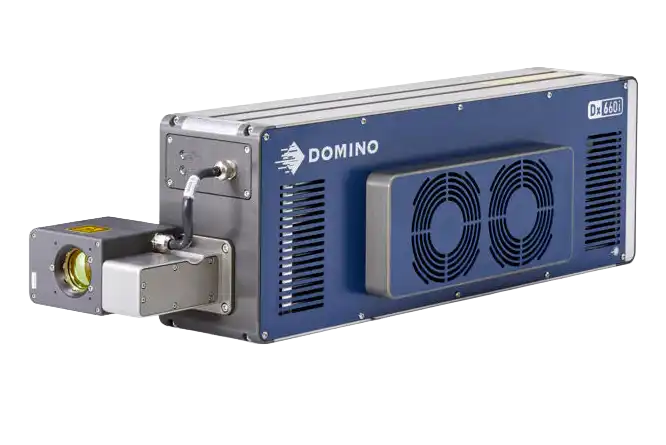
Laser Marking
Permanent and ink-free
For non-contact marking on suitable materials. The appropriate laser type depends on the material and application.
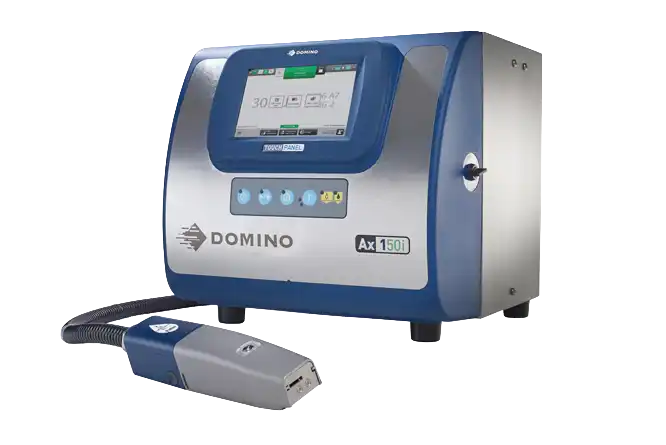
Continuous Inkjet
Directly on cartons and outer packaging
For variable codes in the ongoing production process. Suitability depends on code size, material, speed, and required code quality.
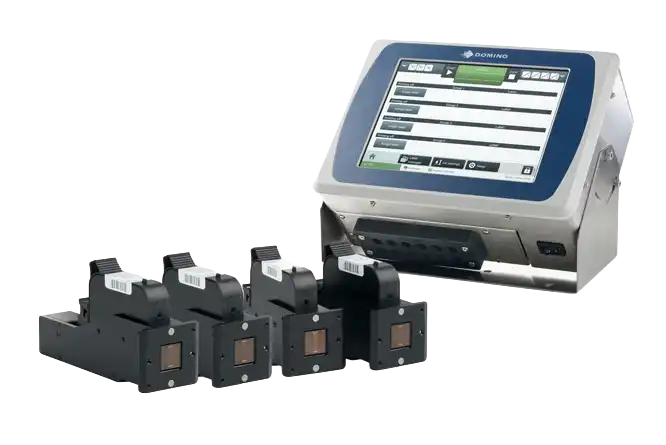
Thermal Inkjet
High-resolution and compact
For text, barcodes, and 2D codes on suitable porous and non-porous surfaces.
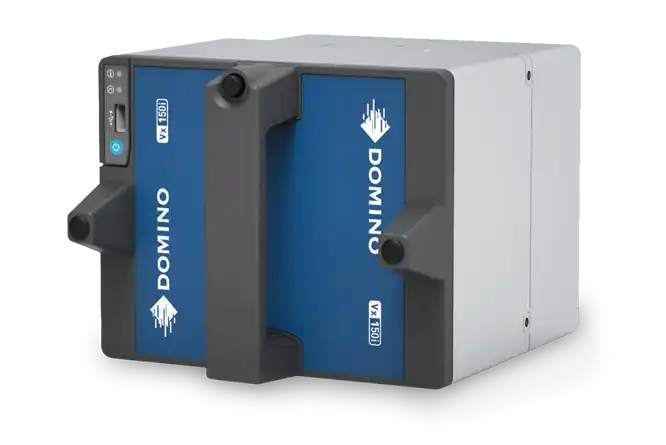
Thermal Transfer Printing
For flexible packaging
For high-resolution marking on films, bags, and labels within packaging machines.
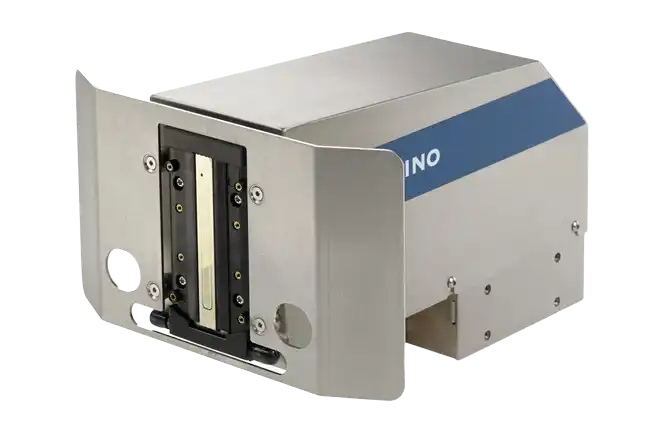
Large-character printing
Directly on cartons and outer packaging
For text, graphics, barcodes, and 2D codes on cardboard, corrugated cardboard, and industrial materials.
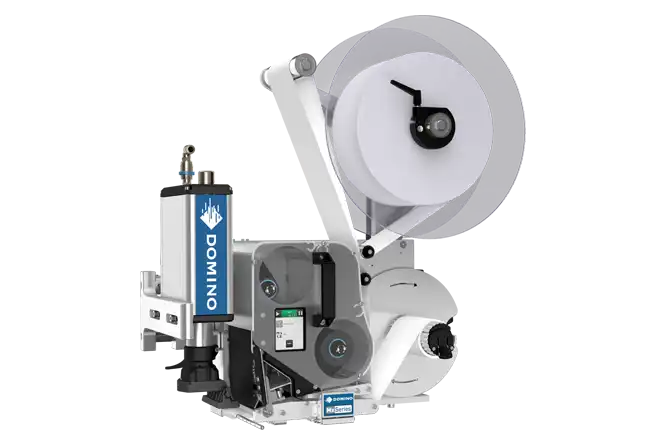
Labeling
Directly on cartons and outer packaging
For text, graphics, barcodes, and 2D codes on cardboard, corrugated cardboard, and industrial materials.
Selection Criterion 1
Product or packaging stage
Right on the product
Typical technologies:
Primary packaging
Typical technologies:
Secondary packaging
Typical technologies:
Selection Criterion 2
Material and Finish
Plastic
Depending on the type of plastic, color, and additives, CIJ, TIJ, or various laser technologies may be used.
Glass
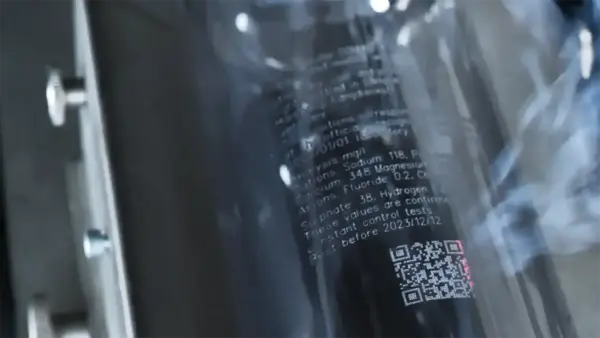
CIJ enables variable marking. CO₂ lasers can produce permanent markings on suitable glass surfaces.
Metal
CIJ is suitable for variable codes. A fiber laser is often the preferred choice for permanent markings on technical components.
Cardboard & Paper
TIJ and large-character printing enable high-resolution variable markings. Depending on the application, lasers or labels may also be suitable.
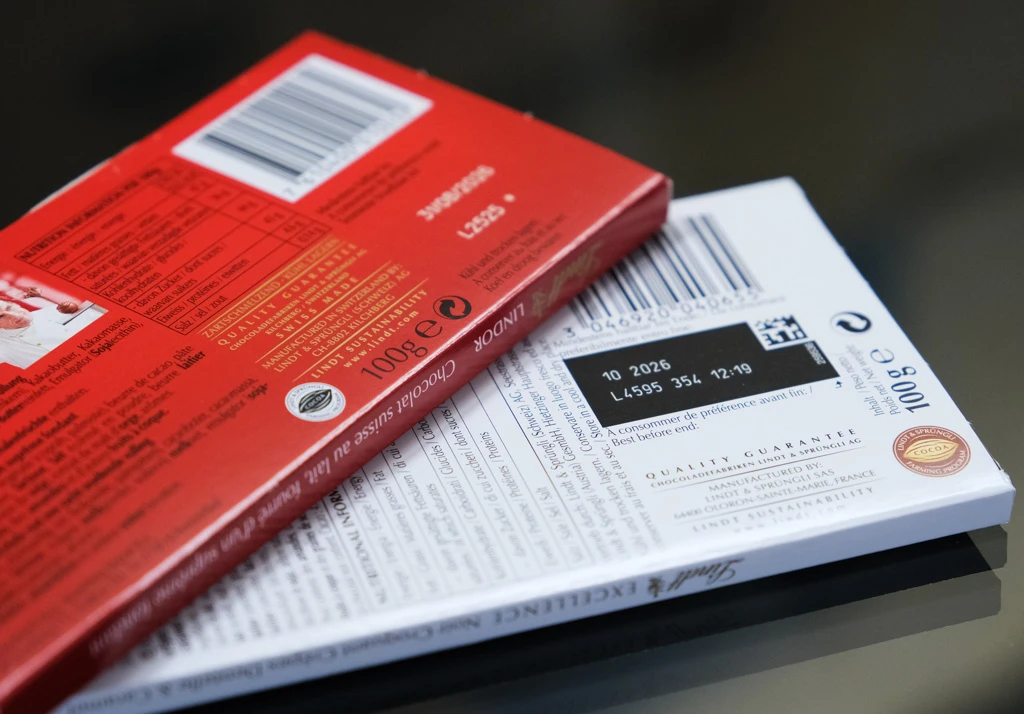
Selection Criterion 3
Label Content
Plain text & variable data
Best-by dates, lot numbers, production dates, and brief product information.
Barcodes & 2D Codes
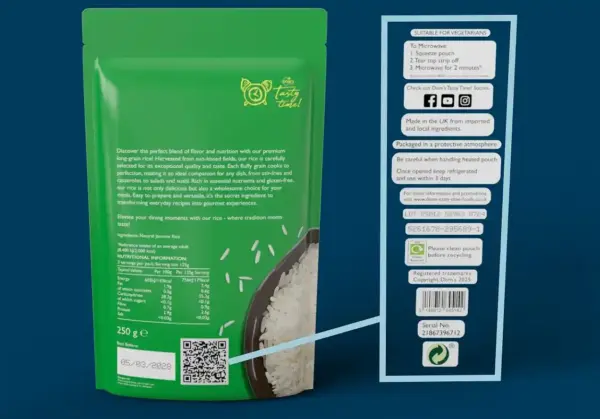
Barcodes, Data Matrix codes, QR codes, and serialized product codes.
Commonly used technologies: TIJ, TTO, laser, large-character printing, and labeling
General Information
Multi-line text, large barcodes, graphics, and logistics data.
Commonly used technologies: Large-character printing and labeling
Permanent Product Marking
Serial numbers, model numbers, and traceability codes on products and components.
Commonly used technology: lasers, depending on the material and application
Selection Criterion 4
Production Conditions
Production speed, product handling, and the environment all influence which technology can be used reliably.
High line speed
Commonly used: CIJ, laser, and TIJ
CIJ and laser technologies are suitable for contactless marking during the production process. TIJ can print high-resolution codes at industrial speeds, provided that product guidance and spacing are controlled.
Variable product spacing
Commonly used for: CIJ and labeling
CIJ can better accommodate larger distances from the product than TIJ. When shapes or positions vary significantly, a labeling solution may be more appropriate.
Dust, moisture, or condensation
Commonly used: CIJ and laser
Specific suitability depends on the protection class, ink, material, and installation conditions. TIJ and TTO require more tightly controlled conditions and reliable material feeding.
Frequent format and product changes
Commonly used: TIJ, CIJ, laser, and labeling
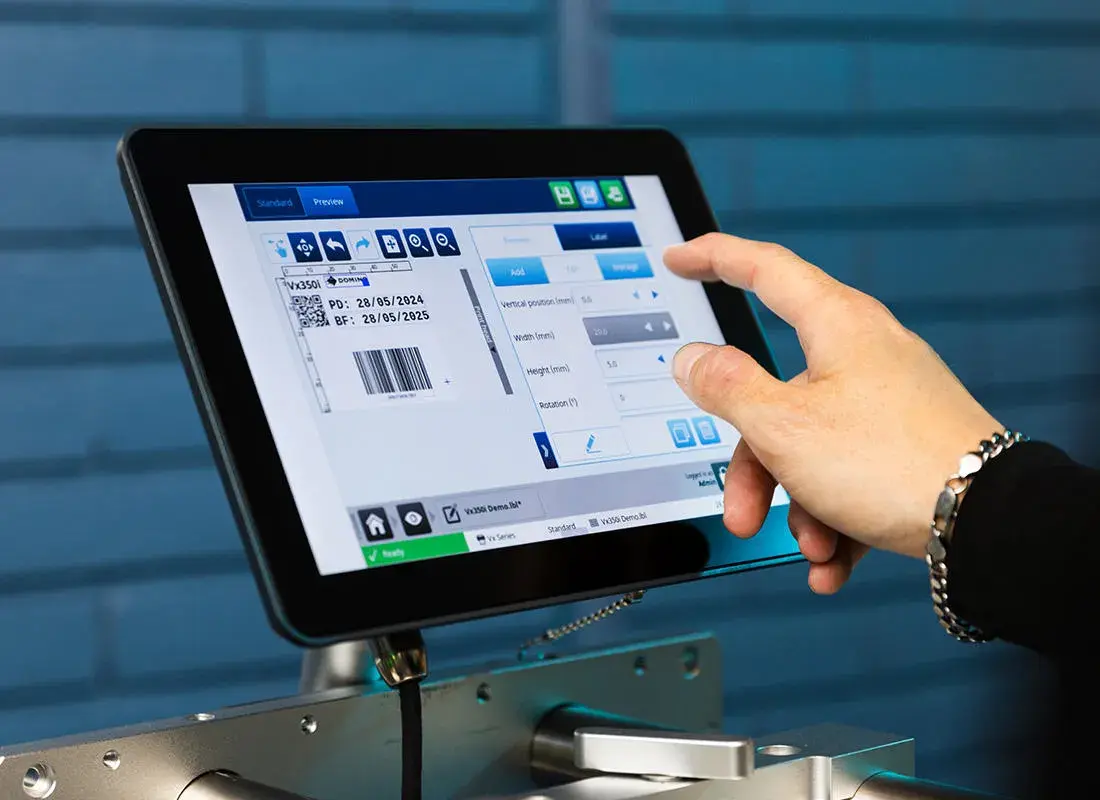
What matters most here is not so much the printing process as the centralized management of print layouts and variable data.
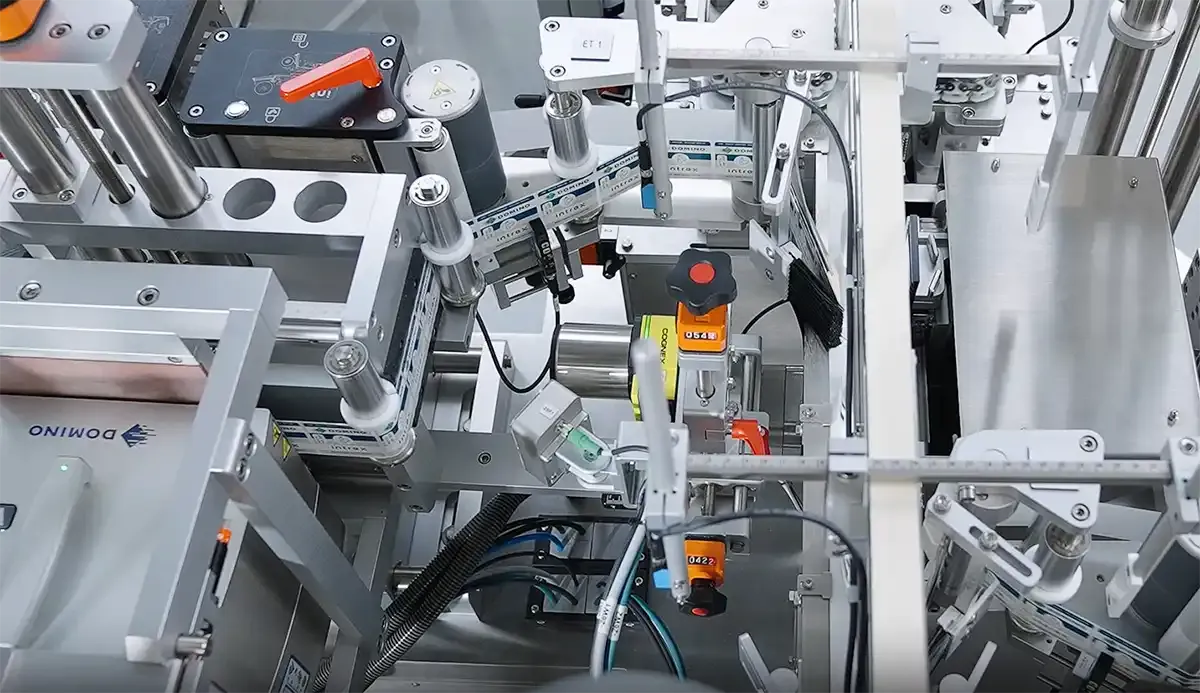
Direct integration into packaging machines
Commonly suitable: TTO, TIJ, laser, and OEM models
TTO is specifically designed for flexible packaging machines. TIJ and laser systems can be integrated in a compact manner and controlled via machine control systems.
Ensure Your Choice in a Practical Way
Check the labeling on the original material
Technical preselection is only the first step. A test print allows you to check how the marking technology, settings, and material interact under real-world conditions.
Request a sample print
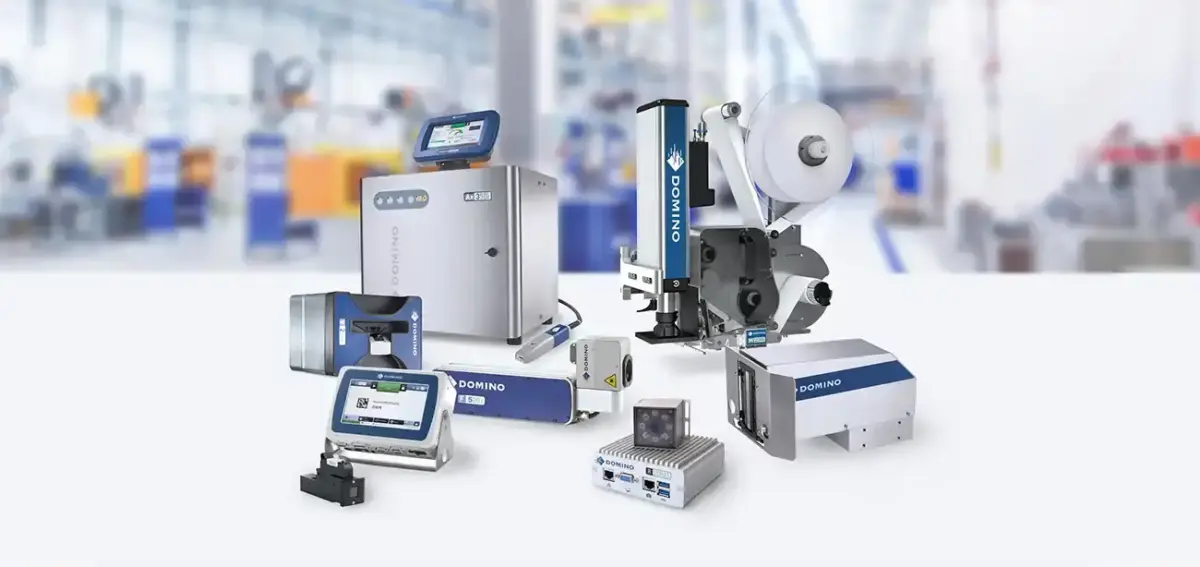
Domino Marking Devices
Global compliance, maximum productivity: With our systems, you can apply variable data, promotional codes, and traceability codes to your products with absolute precision. The smart solution for barcodes, authentication, and efficient processes.
Laser Marking
Laser marking marks materials completely contact-free, permanently, and without any consumables. A precise beam of light ensures maximum abrasion resistance.
CIJ printer
Continuous inkjet (CIJ) printers mark products extremely quickly and without contact during the production process. They produce razor-sharp codes on almost any surface.
Large-character printer
Large-format printers are optimized for printing on secondary packaging, such as cardboard boxes, in industrial settings. They can flexibly apply large logos and barcodes.
TTO Printer
Thermal transfer overprinters (TTO) mark flexible packaging, such as films and tubular pouches, with excellent precision. A thermal print head transfers the ink using heat.