
Labeling Cans
Marking solutions for aluminum cans and tin cans—reliable, legible, and integrated inline.
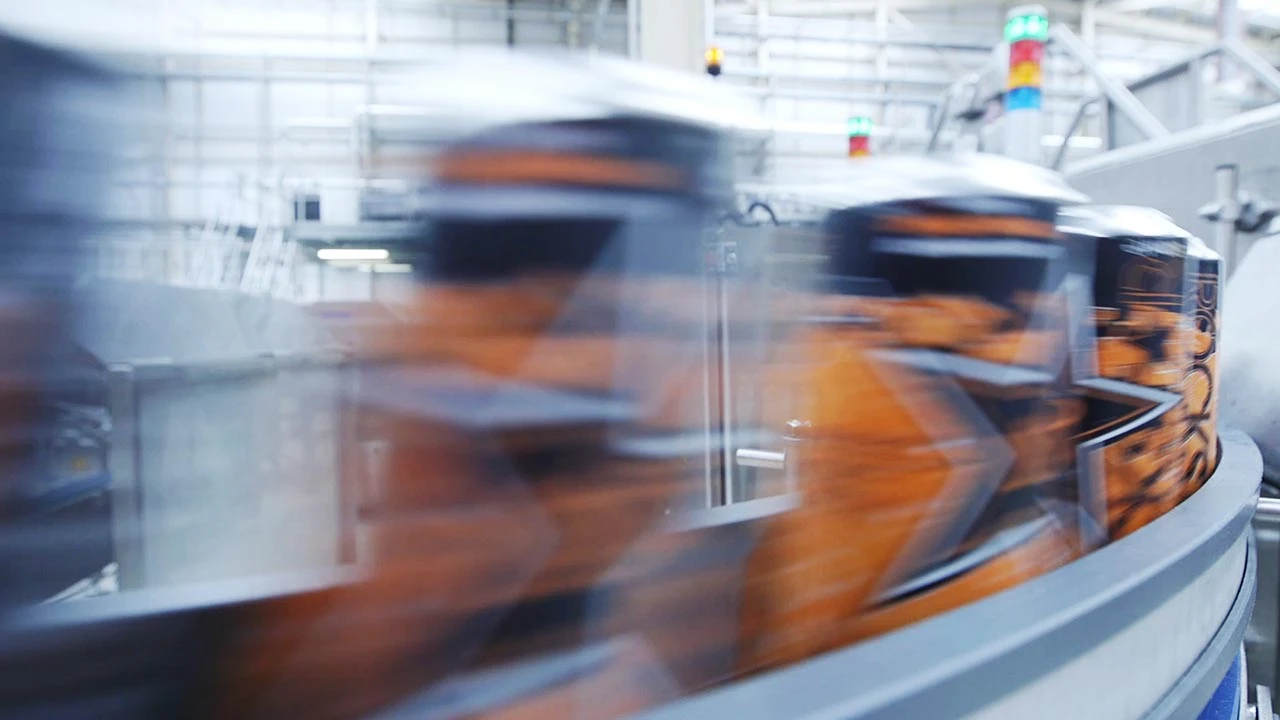
Cans are processed in enormous quantities in the beverage and food industries—often at extremely high line speeds and under challenging conditions such as humidity or temperature fluctuations.
To ensure that best-by dates, lot numbers, or production codes are reliably legible, robust labeling solutions are needed that are precisely tailored to the can material and the environment.
Whether it's aluminum or tinplate—with the right technology, marking can be applied permanently, with high contrast, and inline.
Contact UsWhy is it important to label cans?
Ensuring traceability:Production data such as batch numbers or time codes enable seamless traceability—which is essential for product recalls, quality assurance, and compliance with regulatory requirements.
Product Safety & Information:Best-by dates and production dates must be clearly legible on every can—even at high production rates, on curved surfaces, and under varying environmental conditions.
Protecting brand integrity:Clear and consistent codes strengthen trust in the brand and protect against tampering—especially for promotional products, export goods, or returnable packaging.

Challenges in Can Labeling
The round metal surfaces and high speeds involved in beverage filling place special demands on labeling technology:
Liability & Speed
Many standard inks do not adhere well to painted, damp, or condensation-covered can surfaces. At the same time, line speeds are extremely high—which requires fast-drying inks or lasers with high clock rates.
Geometry & Positioning
Curved surfaces, rotational movements, and high cycle rates make it difficult to place the codes precisely. Every millimeter counts, especially with multi-line print images or small cans.
Environmental Factors
In production, moisture, temperature fluctuations, and cleaning chemicals are a daily occurrence. The labeling must be abrasion-resistant and durable—both during the filling process and during storage and transport.
Would you like to request a free test print on your product?
Request a test print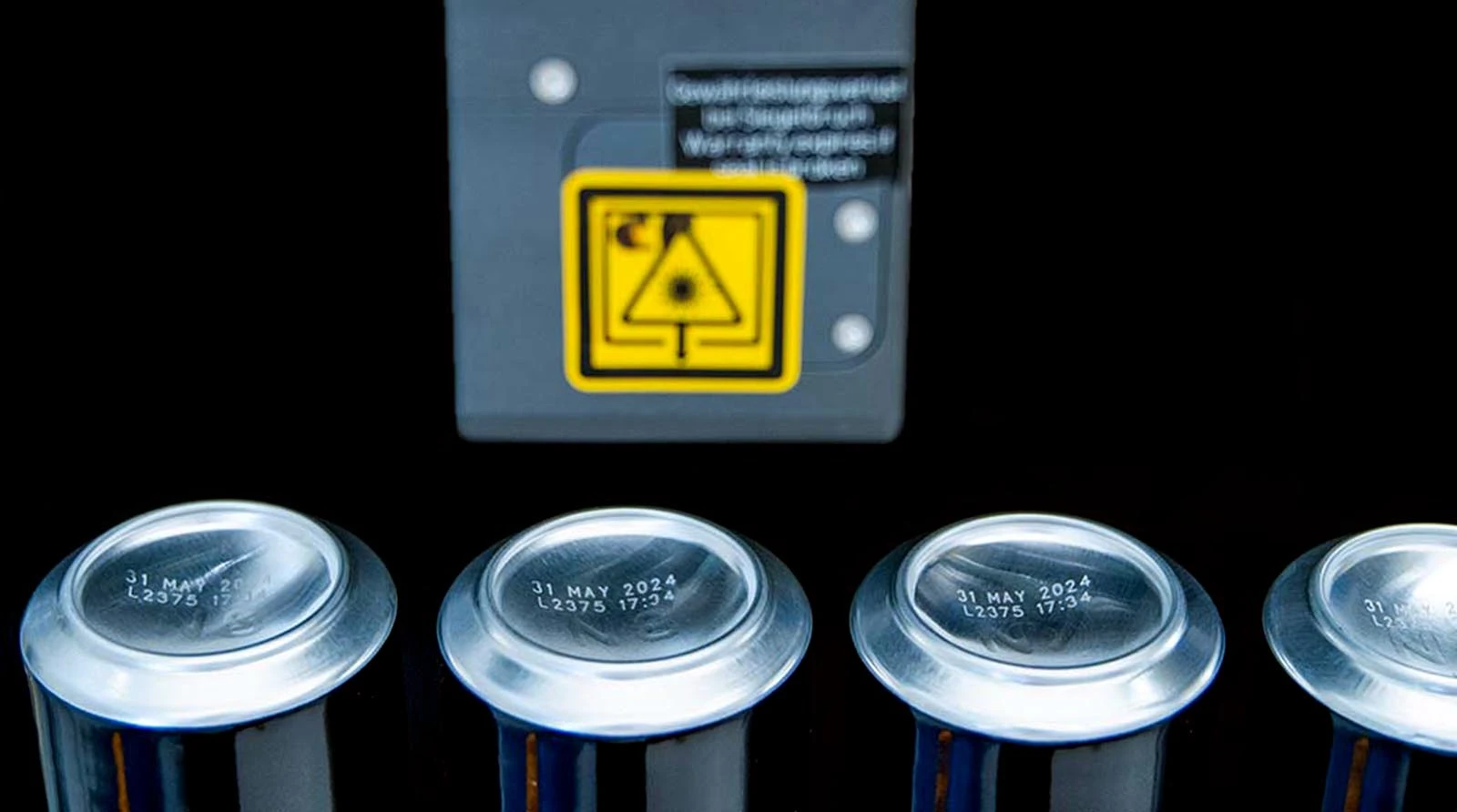
Laser Marking
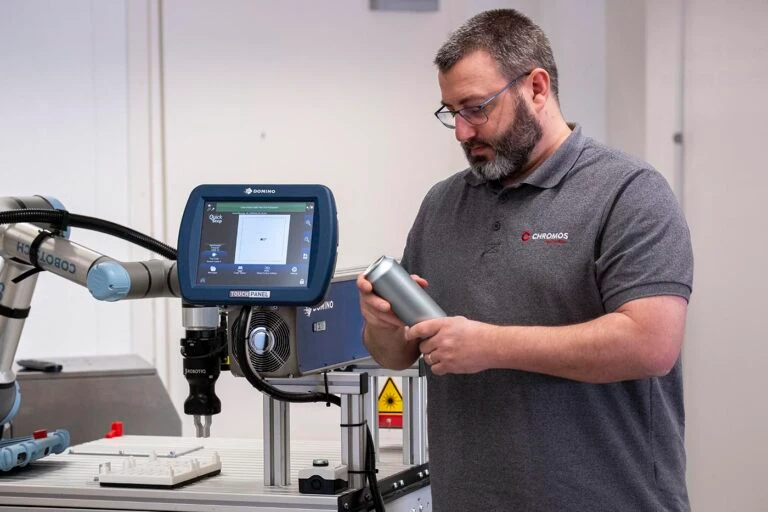
Lasers create permanent, legible markings—either by engraving or by ablation on coated surfaces.Fiber lasers are typically used for cans. Particularly suitable for:
- High-contrast labeling on aluminum or tinplate
- high durability requirements
- subtle codes or graphics
Continuous Inkjet (CIJ)
CIJ printers with specially developed inks enableflexible, contactless markingof beverage cans. Typical advantages:
- Suitable forpainted or coated surfaces
- Quick-drying inks, even in the presence of condensation
- High-contrast, easy-to-read codesat high line speeds
Case Study:
Can Labeling at Carlsberg
Carlsberg Sweden relies on Domino’s innovative F720i fiber laser to mark 90,000 beverage cans per hour. Learn how the system withstands extreme environmental conditions with high humidity and completely eliminates the need for inks and solvents in production.
To the Case Study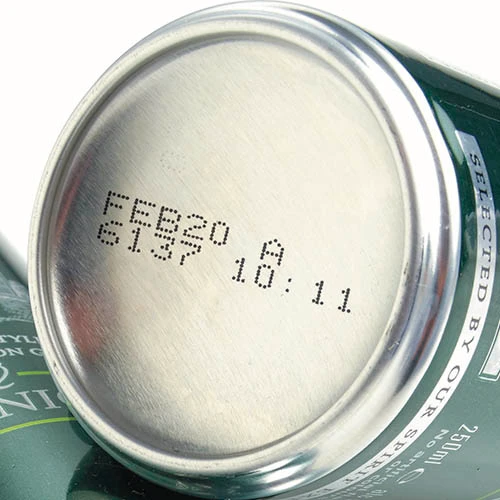
Print Samples
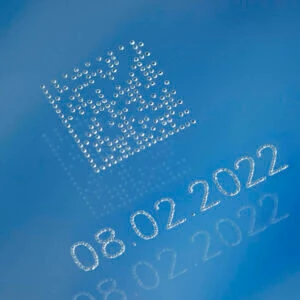
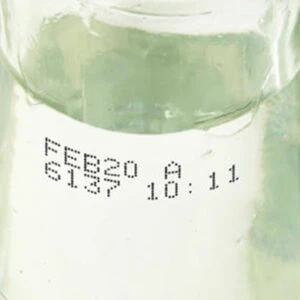
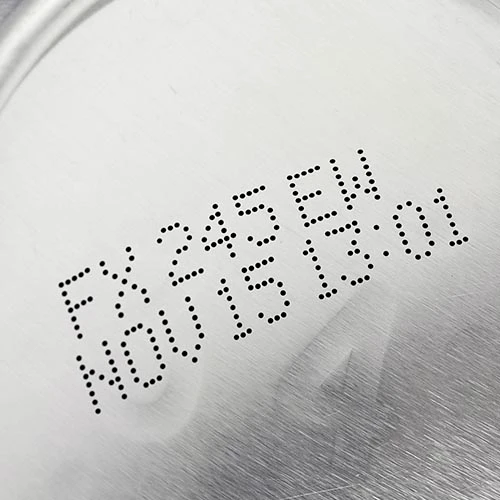
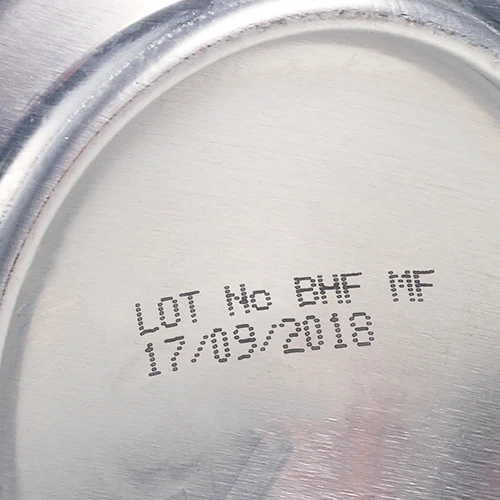
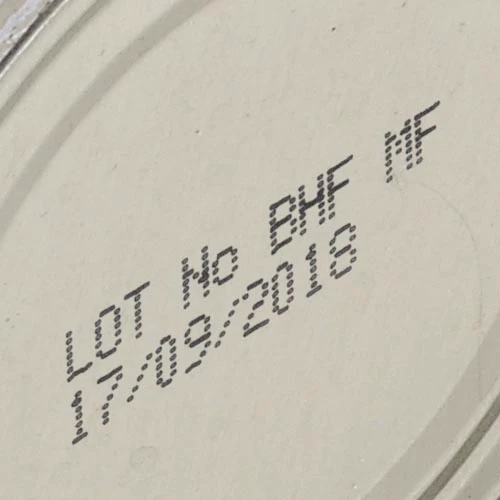
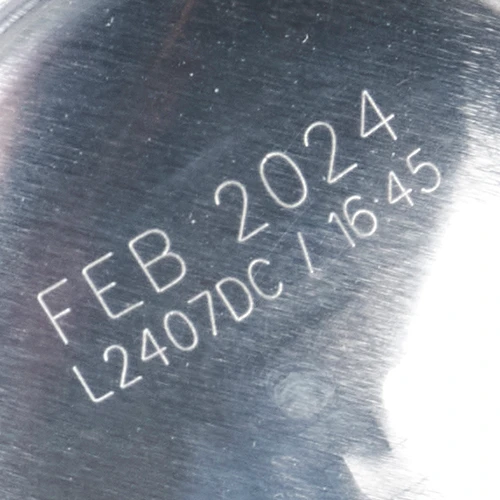
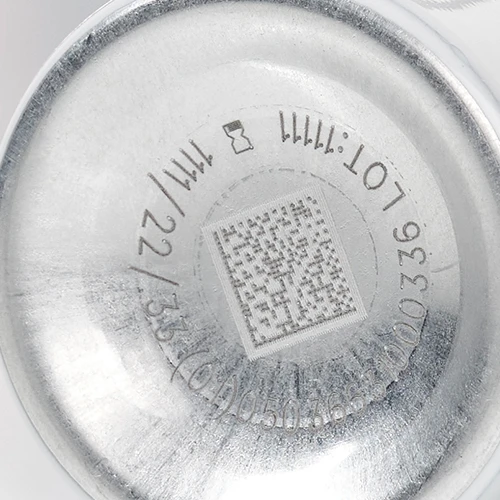
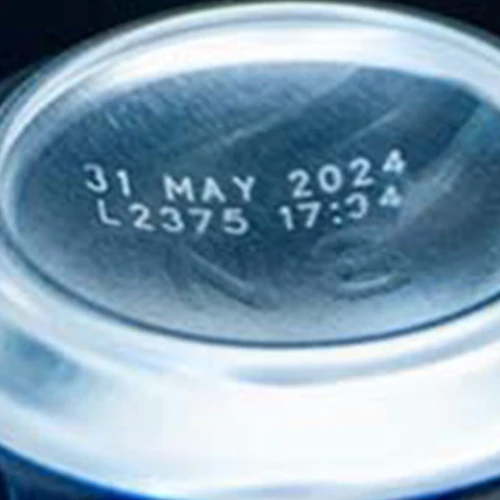
Our sample images provide a direct impression of how cleanly ink and laser marking appear on metals. They show razor-sharp lettering on curved can bottoms, clearly legible codes despite condensation during the filling process, and durable markings on aluminum and tinplate. The images illustrate the synergy between the right technology and the appropriate surface material.
Each production line has its own specific requirements for the print image. To determine which technology delivers the best results for your material, we’d be happy to provide a free sample print on the cans you supply.
Send us your material sample for a free print test on your product.
Problem-Solving
Understanding Requirements
You describe your application to us. We determine the materials—such as aluminum or tinplate—the production environment, the line speed, and the requirements for readability, durability, and traceability.
Suggest a technology and solution
Based on your specific situation, we will identify suitable technologies and implementation options for reliable can marking, such as fiber lasers or inkjet printing.
Test feasibility
In realistic tests, we evaluate the readability and durability of the markings, tailored precisely to your production line and the specific requirements for coding cans.
Integration and Support
We’ll guide you through the selection, integration, and commissioning processes with technical support, in-depth expertise, and many years of experience in industrial marking.

Contact Us