
Labeling Plastic Bottles
Clear, abrasion-resistant product labeling on plastic bottles
PET, HDPE, and PP behave completely differently when printed on. Damp surfaces, rough textures, or smooth plastics directly affect adhesion, drying time, and the readability of codes. To ensure error-free traceability on the production line, the ink or laser must be precisely matched to the material. We’ll show you the right marking technology for your filling operations in the beverage, cosmetics, or chemical industries.
Contact UsWhy is it important to label plastic bottles?
Ensuring Traceability:Production data such as batch or serial numbers enable complete traceability. This is essential for product recalls, quality management, and compliance with legal requirements.
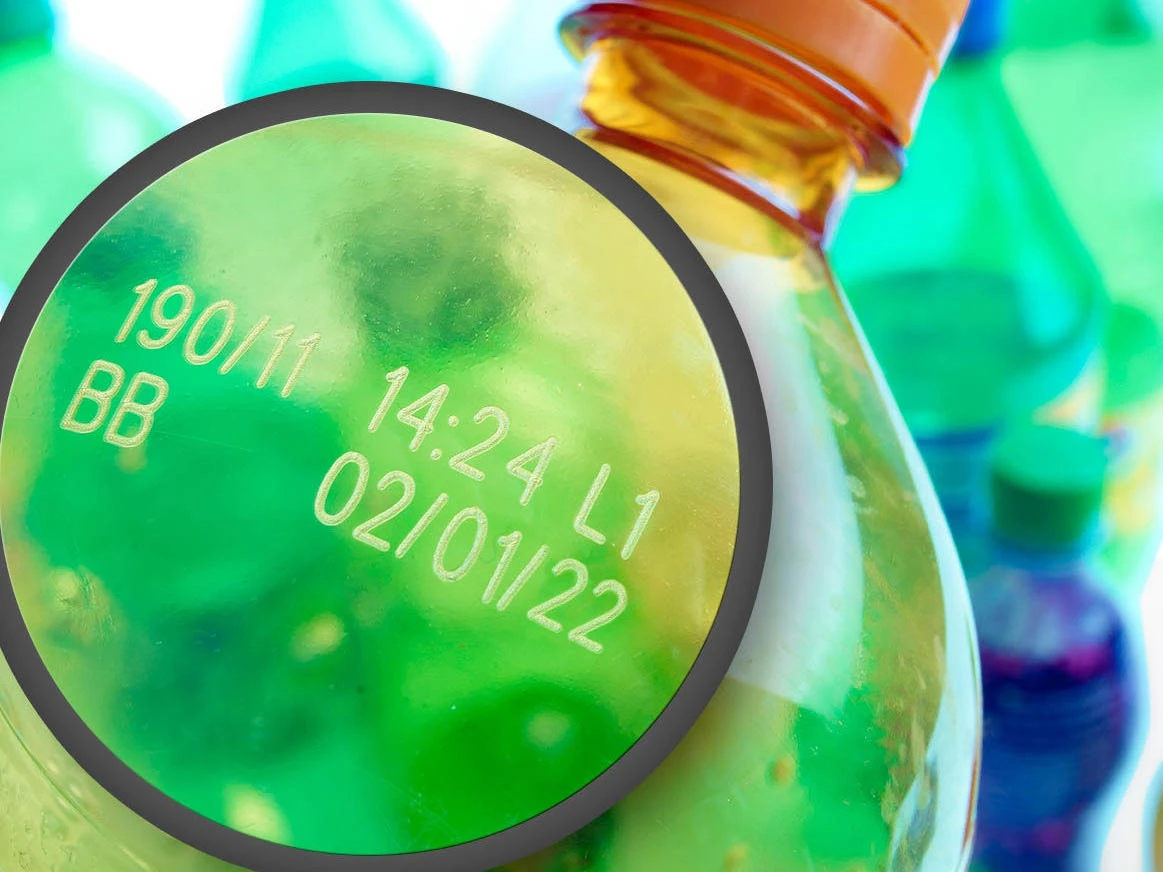
Informing consumers:Expiration dates and filling dates must be clearly legible and printed directly on the bottle or label. Labeling is often done under challenging conditions, such as high line speeds or humidity.
Label-Free Marking: In certain applications, direct laser marking on the bottle offers a sustainable alternative to labels. This marking is abrasion-resistant, tamper-proof, and supports recycling.
Challenges
The unique properties of PET and other plastics present a number of technical challenges:
Adhesion & Drying
Moisture and static electricity on plastics such as PET or HDPE require specially formulated inks. Only fast drying prevents the codes from smudging.
Deformation & Flexibility
Curved and flexible surfaces make it difficult to read multi-line or small markings. The technology must be flexible enough to compensate for these shapes.
Line speeds
With line speeds of several hundred products per minute, there is no room for delays. The coding process runs completely synchronously and without interruption in real time.
Would you like to request a free test print on your product?
Request a test printAppropriate Technologies
Two main technologies are used for marking plastic bottles made of PET, HDPE, or PP: laser markingandcontinuous inkjet (CIJ).
The most suitable solution depends on the material, line speed, readability and adhesion requirements, as well as environmental conditions—especially for moist or chilled products.
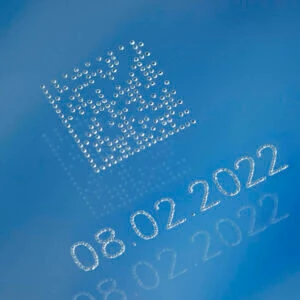
Laser Marking
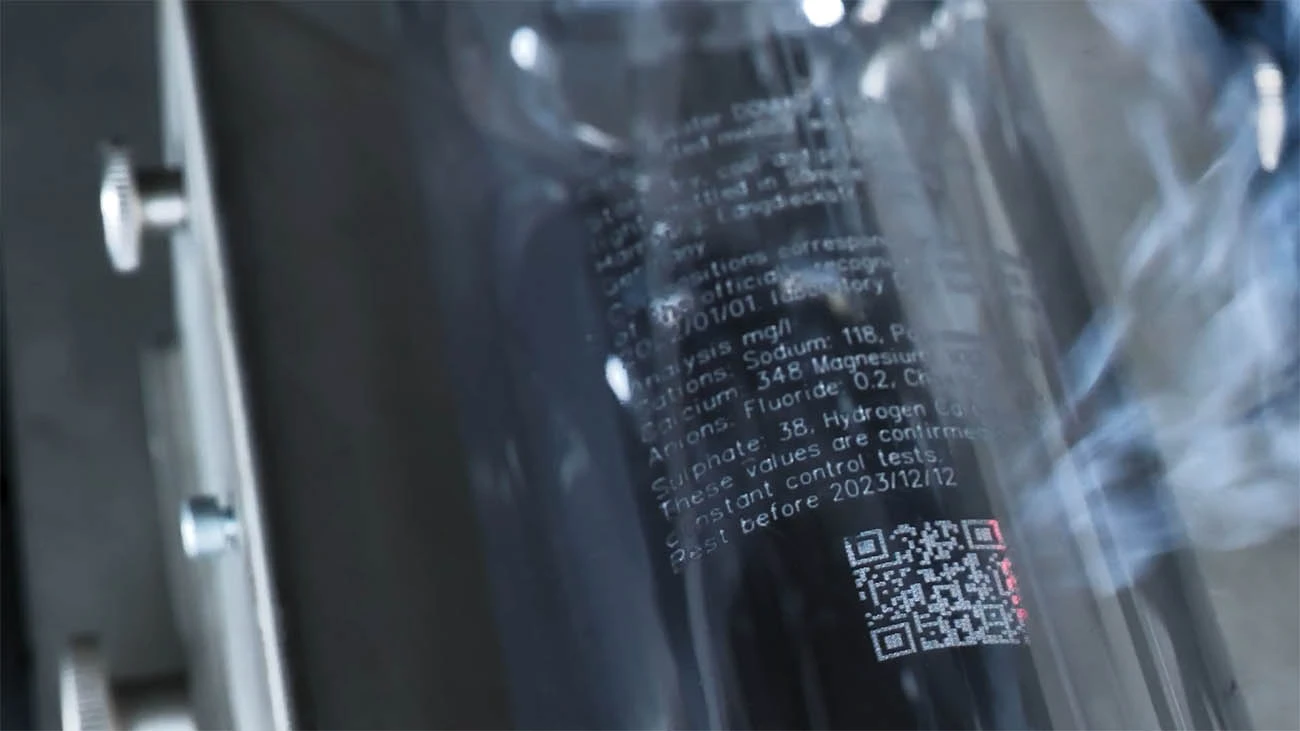
Lasers are ideal for creating permanent, legible markings directly on the bottle—without the need for consumables. This is particularly advantageous for:
- high line speed and a humid environment
- Requirements for durability, abrasion resistance, and traceability
- Label-free applications—e.g., sustainable PET solutions
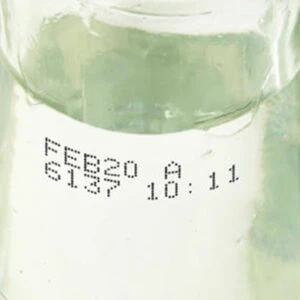
Continuous Inkjet (CIJ)
CIJ printers offer maximum flexibility and are specifically designed for demanding production line environments. They are well-suited for:
- Codes with good adhesion and quick-drying ink on plastic
- Flexible printing positions for convex or irregular shapes
- High line speeds with variable data such as MHD and batches
Case Study: PET Labeling at Adelholzener
“The tests under real-world conditions convinced us”: Adelholzener Alpenquellen uses Domino CO₂ lasers to apply “best-before” dates to its PET bottles quickly and precisely. Efficient, abrasion-resistant, and seamlessly integrated.
Download the case study as a PDF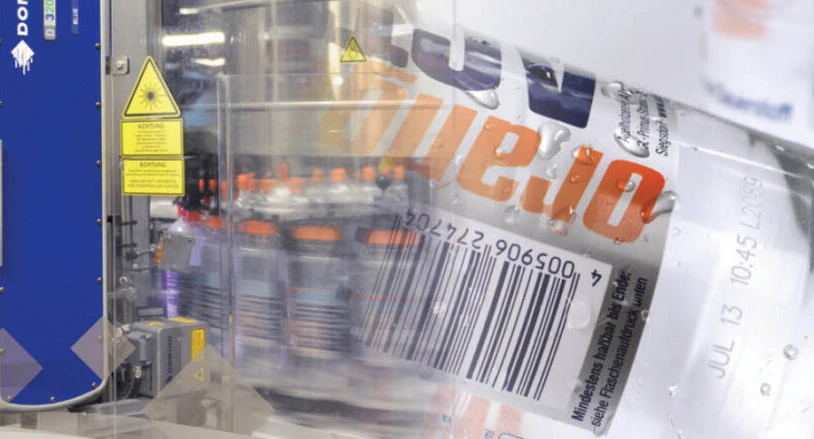
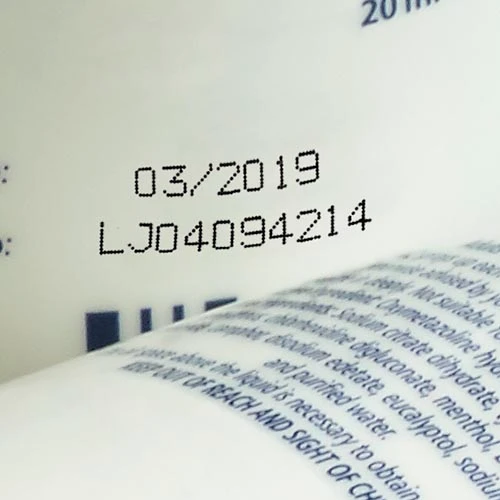
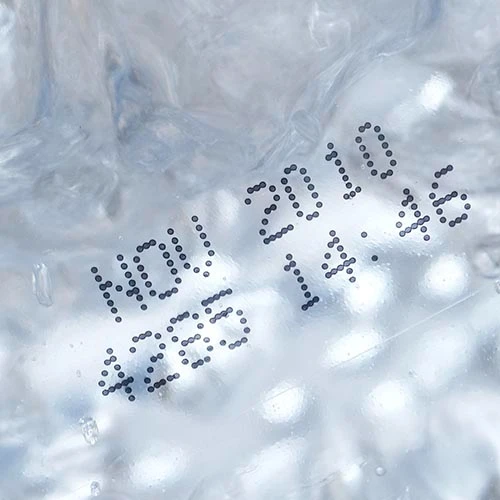
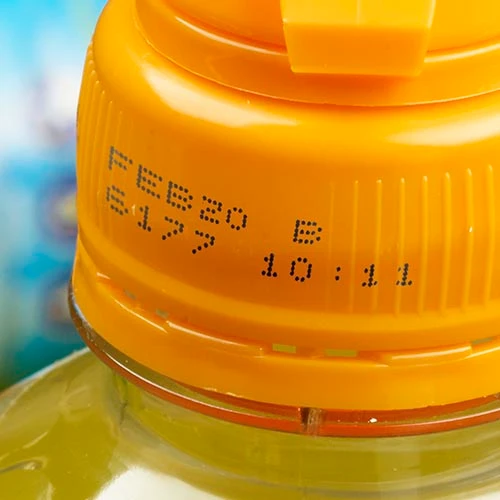
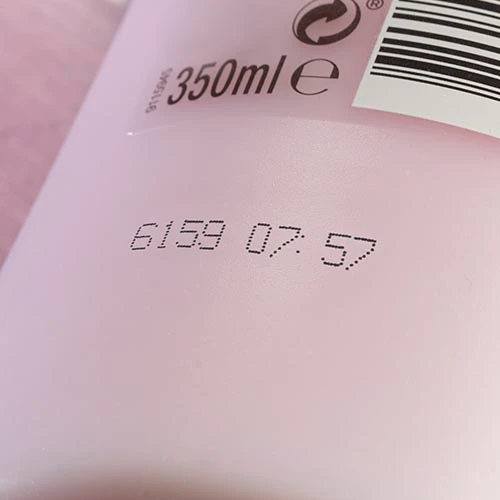
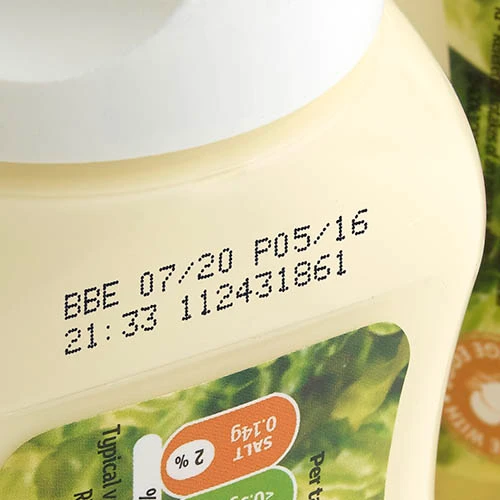
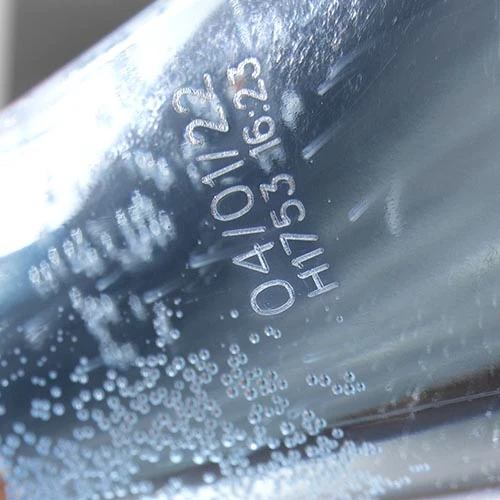
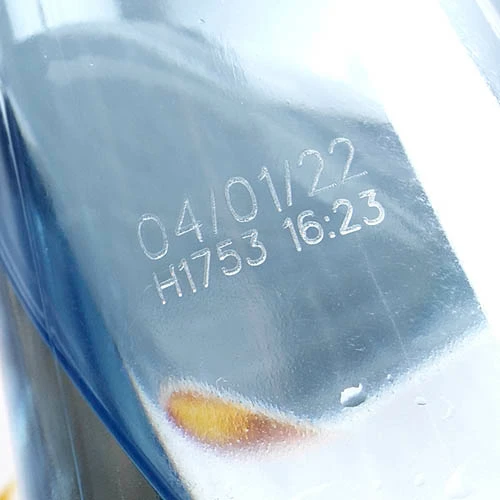
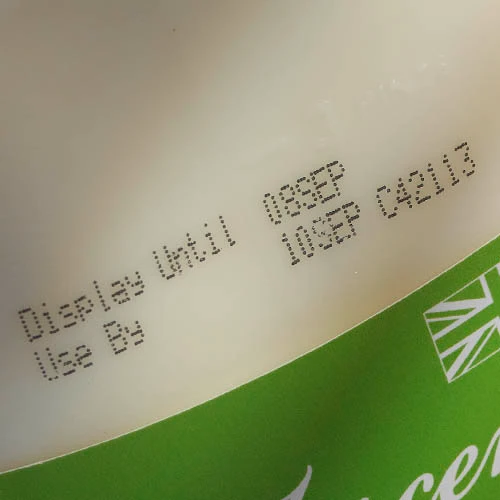
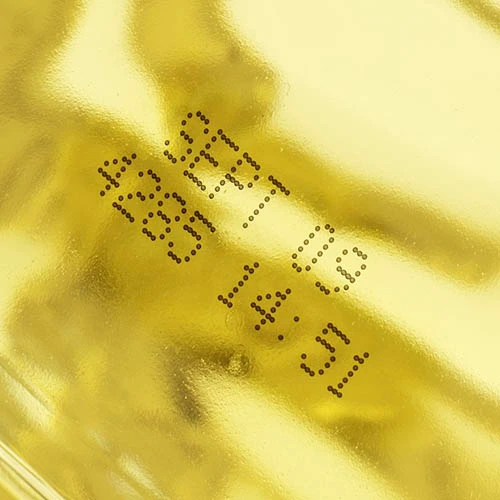
Print Samples
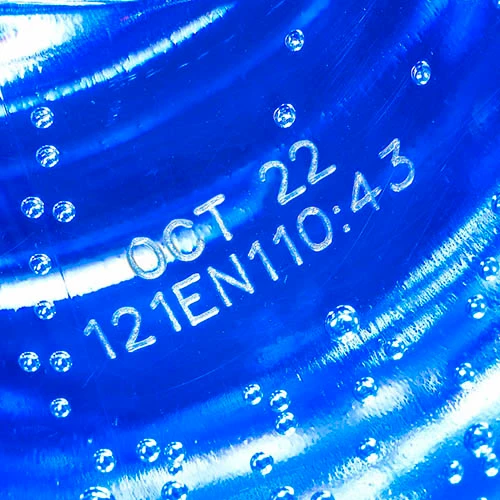
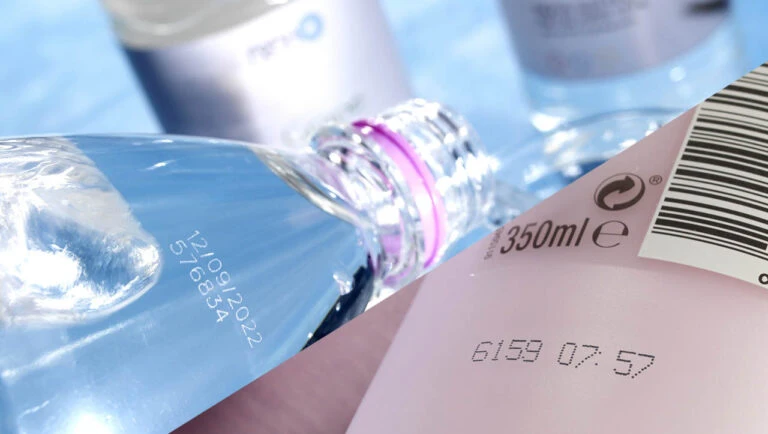
These application examples demonstrate precise marking with ink and laser on various plastics. Whether it’s fine text on smooth surfaces, high-contrast codes in high-humidity environments, or direct marking on PET, these examples illustrate the optimal combination of technology and material for a clean, permanently legible result in real-world applications.
There is a suitable solution for nearly every substrate and production environment. We would be happy to test the marking free of charge directly on your original material to ensure adhesion and readability under real-world conditions.
Send us your material sample for a free print test on your product.
Problem-Solving
Whether it's PET, HDPE, or other plastics: Together, we'll analyze your production conditions, material properties, and requirements for print quality and durability.
Suggest Technology and Implementation
Based on your application, we’ll show you suitable printing technologies and specific implementation options—tailored to your line speed and product shape.
Check Feasibility
Through practical testing, we validate the quality and adhesion of the labeling and ensure that the solution is compatible with your process.
Support Through Commissioning
From equipment selection to training—our team supports you with technical expertise and reliable support

Contact Us