
CO₂ lasers, fiber lasers, and UV lasers produce permanent, non-contact markings. However, these technologies differ in terms of wavelength, material interaction, contrast, and thermal stress. This guide explains which type of laser is suitable for which materials and marking tasks.
CO₂ lasers, fiber lasers, UV lasers
An Overview of Three Laser Technologies
CO₂ lasers, fiber lasers, and UV lasers differ primarily in their effects on various materials. The appropriate technology therefore depends on the material, the marking content, and the production process.
CO₂ laser
Versatile for packaging and organic materials
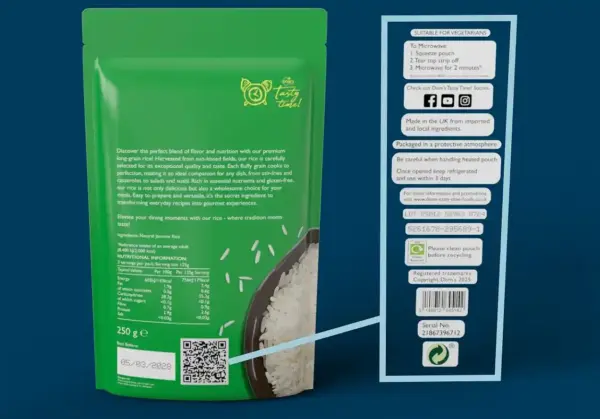
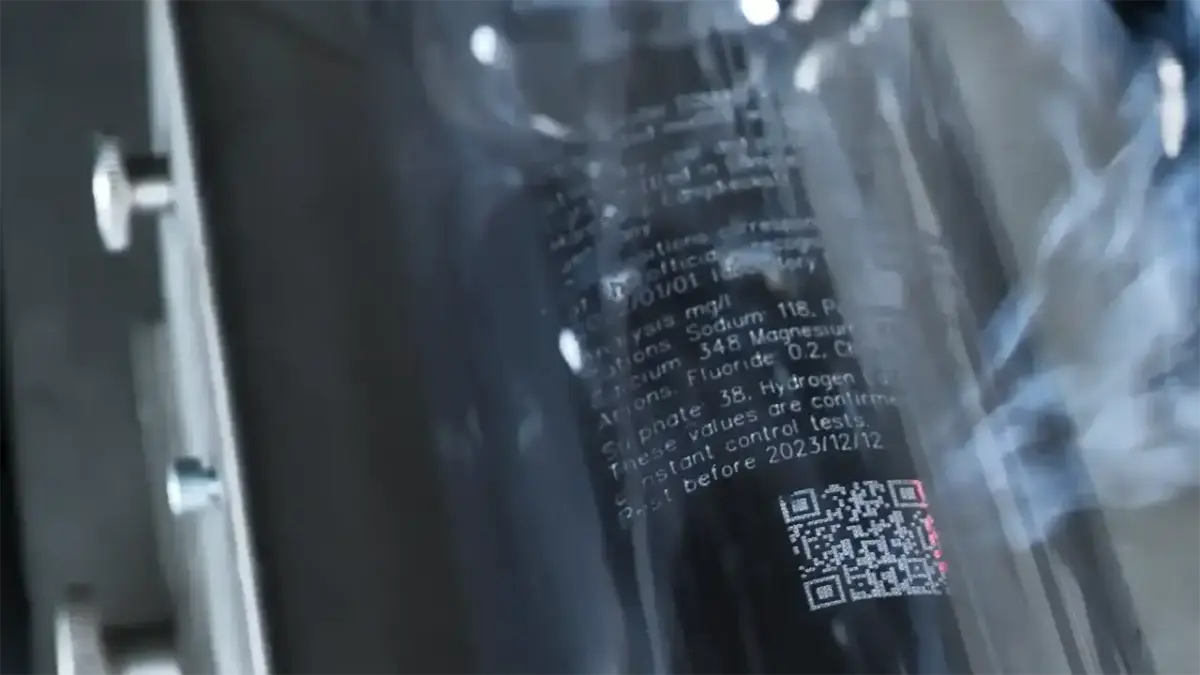
CO₂ lasers are suitable for use on materials such as paper, cardboard, glass, wood, rubber, and numerous plastics and coated materials. They are frequently used for packaging, bottles, films, and cardboard boxes.
Fiber laser
Precision Machining for Metals and Engineering Plastics
Fiber lasers are particularly well-suited for metals and select plastics. They produce high-contrast, durable markings and are frequently used for parts, components, electronics, and technical applications.
UV laser
Gentle on delicate plastics and films
UV lasers operate at a short wavelength and generate comparatively low thermal stress. They are particularly well-suited for light- and dark-colored plastics, thin films, and applications where material damage or changes in barrier properties must be avoided.
Select Laser Type by Material
CO₂ laser
- Paper and Cardboard
- Glass
- Wood
- Rubber
- PET and other suitable plastics
- Films and Labels
- coated materials
Fiber laser
- Stainless steel
- Aluminum
- other metals
- engineering plastics
- electronic components
- painted or coated metal parts
UV laser
- HDPE and LDPE
- Polypropylene
- light- and dark-colored plastics
- delicate films
- recyclable single-material products
- Packaging with low thermal resistance
Direct Comparison
| Criterion | CO₂ laser | Fiber laser | UV laser |
|---|---|---|---|
| Typical focus | Packaging and Organic Materials | Metals and Technical Components | Delicate plastics and films |
| Material Effect | thermal reaction or erosion | Engraving, annealing, or color change | photochemical reaction |
| Heat input | moderate to high | locally concentrated | relatively low |
| Typical Codes | Text, graphics, 1D and 2D codes | Permanent Part Marking and Codes | High-contrast codes on sensitive materials |
| Consumables | No ink or ribbons | No ink or ribbons | No ink or ribbons |
Important Note
This table is intended as a general guide. Actual suitability depends on material composition, color, coating, desired contrast, and process conditions.
Defining Content and Quality
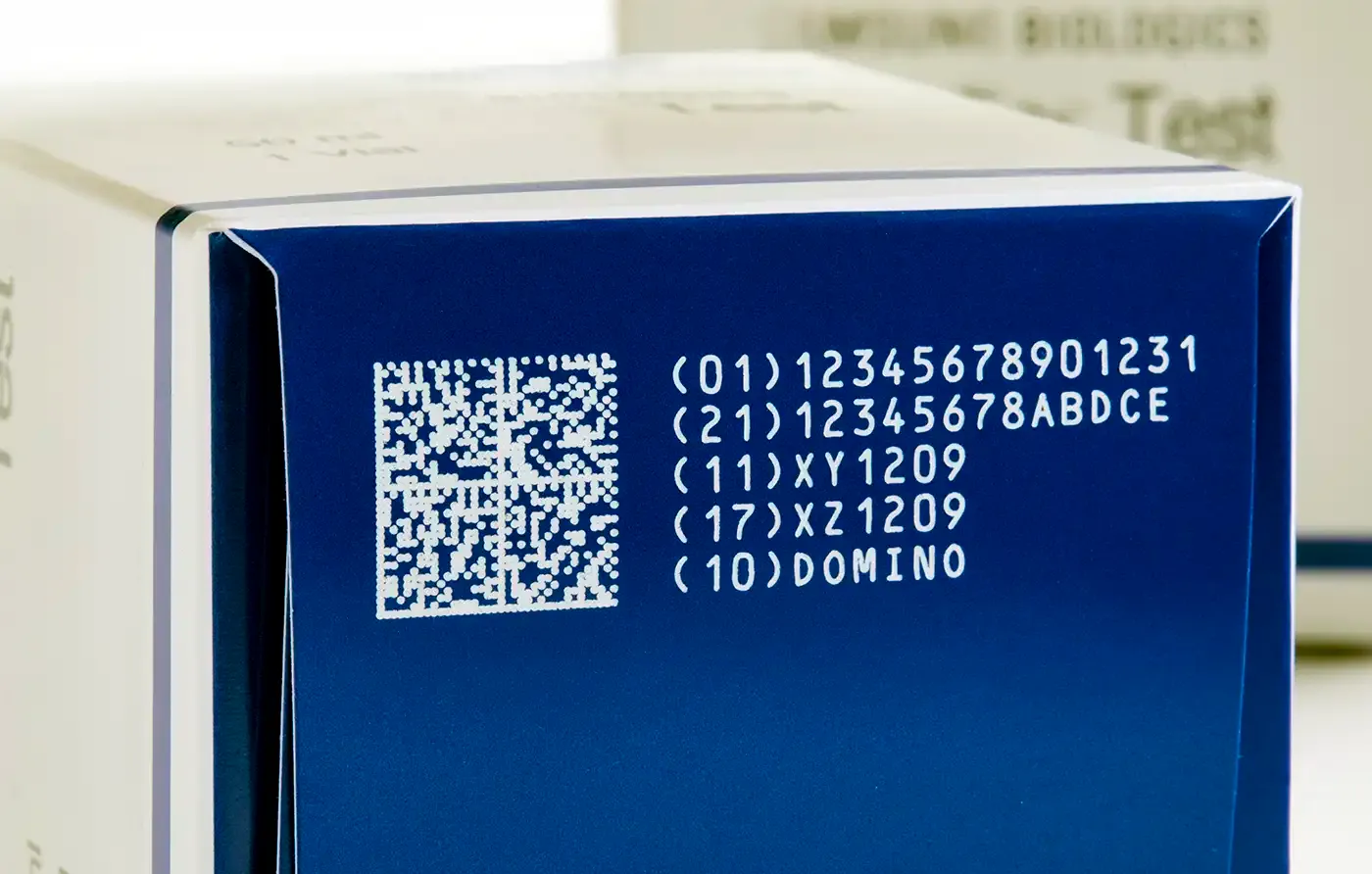
What kind of label should be created?
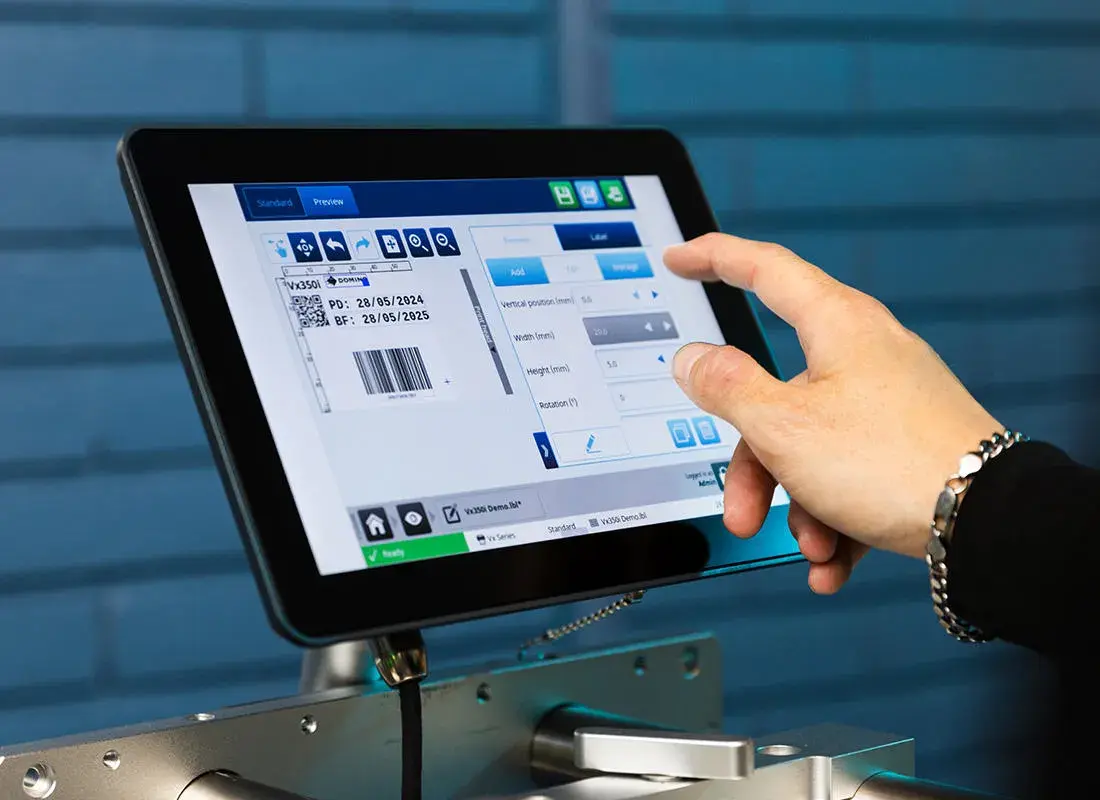
It is not just the material that determines the choice of laser. The marking content, marking area, contrast, and production speed must also be taken into account.
Typical content:
- Date and Batch Information
- Serial Numbers
- plain text
- 1D and 2D codes
- Logos and Graphics
- Product and Model Information
- Length Markings
Additional Selection Criteria
When selecting the right laser, the requirements of the production line play an important role, in addition to the material and the marking results. The following criteria should also be taken into account.
Production Speed
The power, scan head, marking area, and code content determine whether the required line speed can be achieved.
Change of Material
Different material types may require different laser parameters or a different type of laser.
Laser Safety
Enclosures and safety measures must be tailored to the laser, the application, and the installation environment.
Marking Field and Installation
The focal length, beam path, and available installation space must be compatible with the production line.
Extraction
Depending on the material and marking process, particles, smoke, or fumes must be reliably extracted.
Practical Test on Labeling
Without material testing, there can be no reliable selection
Material designations alone are not always sufficient for making a selection. Additives, colors, coatings, and material batches can affect the marking result.
A test print or sample allows for a practical assessment of contrast, readability, and the appearance of the material.
Request a sample print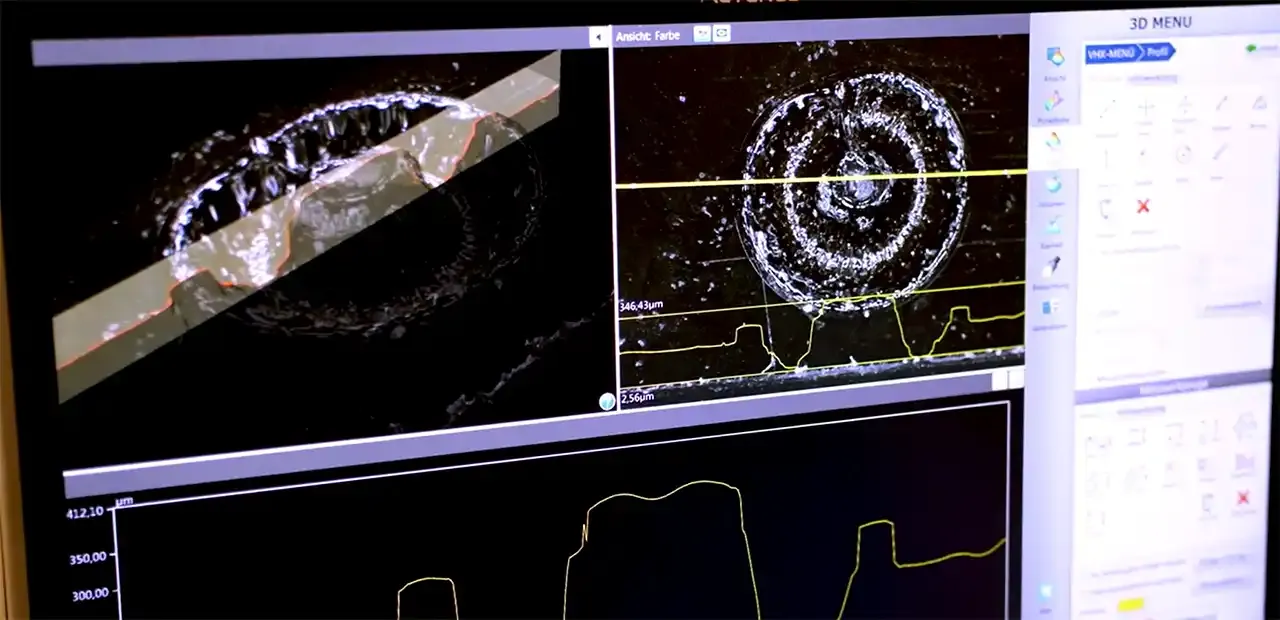
Decision-Making Guide
Choose a CO₂ laser if …
- Paper, cardboard, glass, or suitable plastics can be labeled
- Focus on Packaging
- when large marking areas or high line speeds are required
Choose a fiber laser if …
- Metals or technical components are marked
- permanent part marking is required
- small, precise codes or serial numbers are required
Choose a UV laser if …
- sensitive plastics or thin films can be marked
- the heat input should remain low
- CO₂ or fiber lasers do not produce sufficient contrast
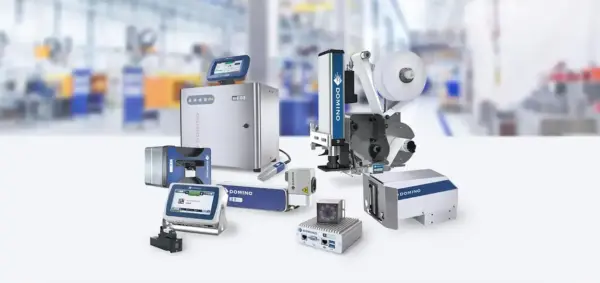
The Domino Laser Series
F Series
Fiber laser
For metals, engineering plastics, and industrial marking applications.
Dx Series
CO₂ laser
For cardboard, paper, labels, films, and packaging materials.
Ux Series
UV laser
For delicate materials and precise marking on films and plastics.