Company
Sappi
Industry
Packaging Industry
Country
Global (R&D in Germany)
Employees
12,000+
Why does Sappi rely on Domino?
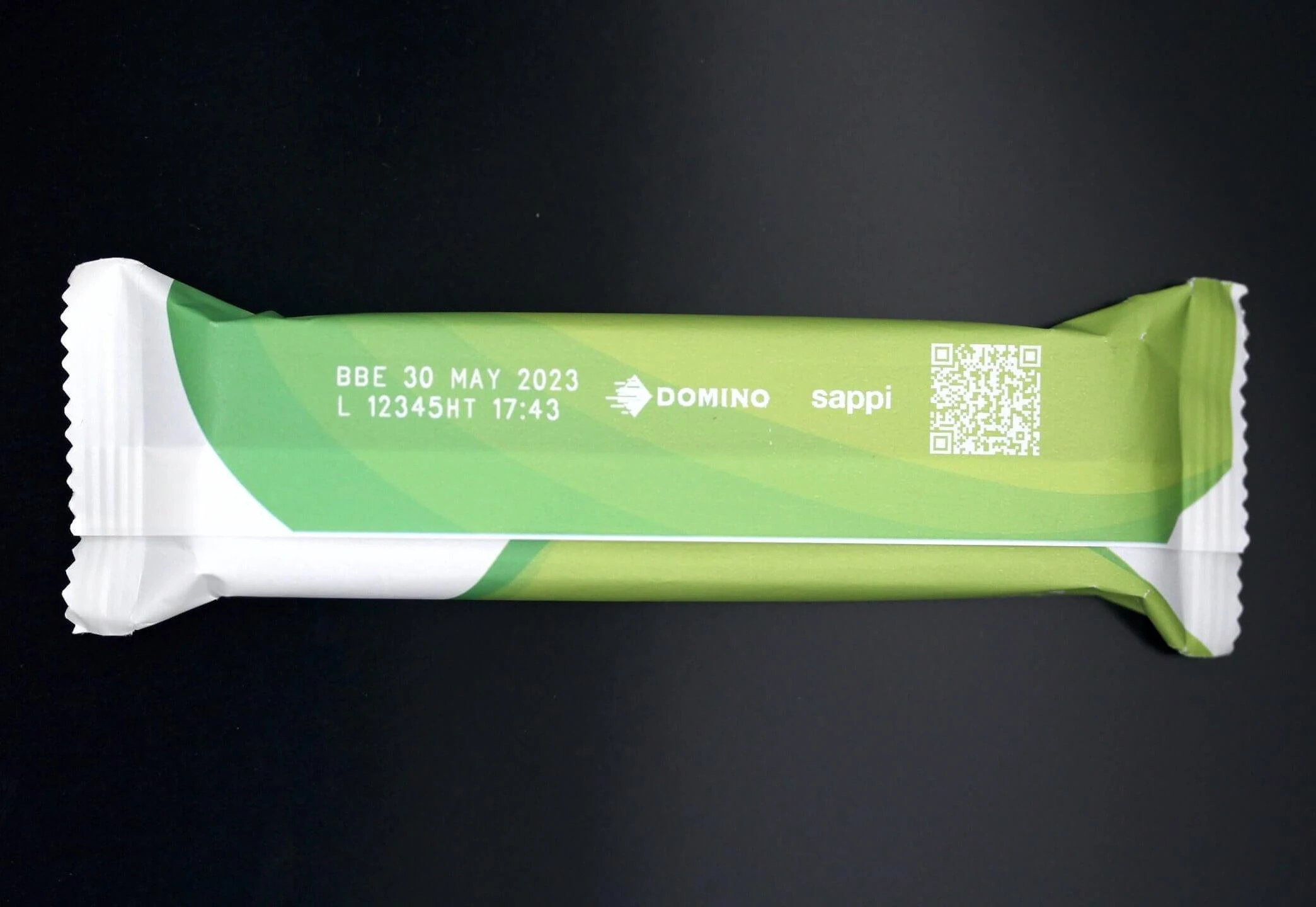
As the market leader in functional barrier papers, Sappi develops recyclable alternatives to traditional plastic composite films that are difficult to recycle. To make it easier for global food brands to switch to sustainable paper packaging, seamless traceability via 2D codes (e.g., QR codes) had to be guaranteed directly on the filling line. Sappi was looking for a technology partner that could scientifically demonstrate that thermal laser marking does not damage the paper’s ultra-thin protective barriers.
What challenges had to be overcome?
Barrier papers protect sensitive foods such as chocolate, cereal, or soups from oxygen, water vapor, fat, and mineral oil using water-based coatings. A laser encodes the code by thermally ablating the material. The major challenge was to find the right laser wavelength and intensity to apply a high-contrast, machine-readable code in milliseconds without perforating the paper or microscopically weakening the protective layers.
Microscopic Analysis
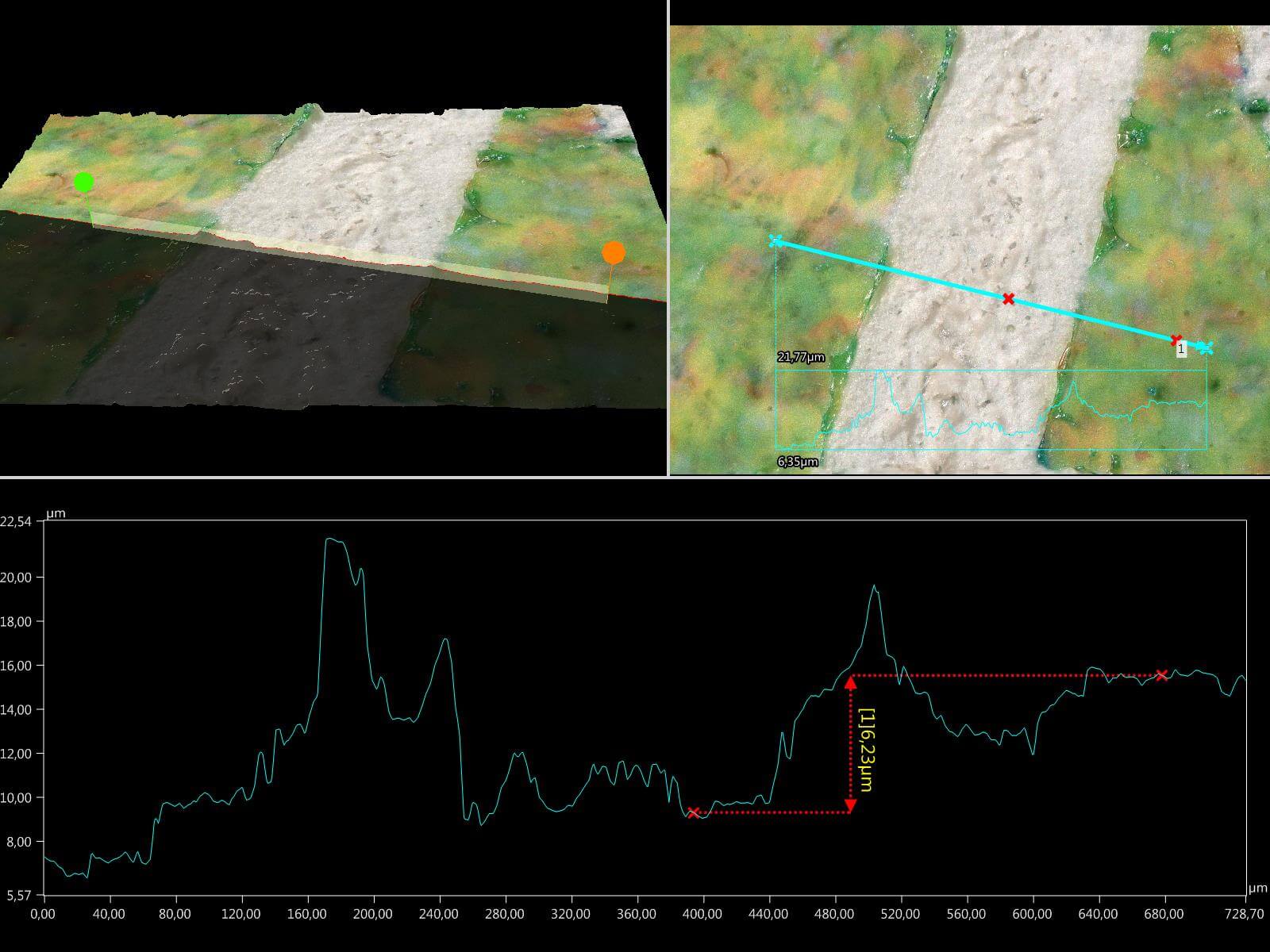
To guarantee absolute safety, Domino’s specialists analyzed the laser-etched codes using a 3D optical microscope. The result: The CO₂ laser etched the surface to a controlled depth of only about 6 µm (micrometers). This minimal alteration is entirely sufficient to ensure a permanently high-contrast print image, but it is well above the critical functional layers of the barrier.
What does Domino's solution look like?
Based on spectroscopic analyses and stress tests conducted at the Domino Laser Academy, the D Series (specifically the “Blue Tube” model) was identified as the optimal solution for Sappi’s material portfolio.
FT-IR Spectroscopy Analysis
The paper's response was measured in the laboratory at various wavelengths in order to select the laser with the exact energy absorption required for barrier papers (D320i Blue Tube).
Gentle Surface Removal
The laser was configured so that it alters only the topmost layer of ink or pigment on the paper, rather than penetrating deep into the fibers.
Applications of High-Density 2D Codes
In addition to expiration dates, the system accurately prints complex batch and traceability codes during the ongoing high-speed process.
Scientific Barrier Validation
After coding, the samples were subjected to extreme permeability tests at Sappi's research center to certify their impermeability to gases and water vapor.
Why the D Series Was the Ideal Choice for Barrier Papers
Precise wavelength tuning (“Blue Tube”)
The blue CO₂ laser tube offers the perfect absorption rate for the fiber structure and coating of Sappi papers, which means maximum efficiency with minimal thermal stress.
Absolute Preservation of Protective Barriers
The subsequent gas and water vapor permeability tests proved beyond a doubt that the barrier against oxygen, moisture, and mineral oils remains completely intact.
Future-Proof for "2D Codes at the POS"
The system effortlessly handles the trend toward data-rich QR and Data Matrix codes, which are essential for modern logistics and traceability.
"We were very impressed with the results of the barrier tests. Combined with the quality and clarity of the codes, Domino's D Series is an excellent choice for Sappi's customers."
Mike Zywietz, Product Application Engineer, Sappi
Do you have any questions about our cobots?
Contact Us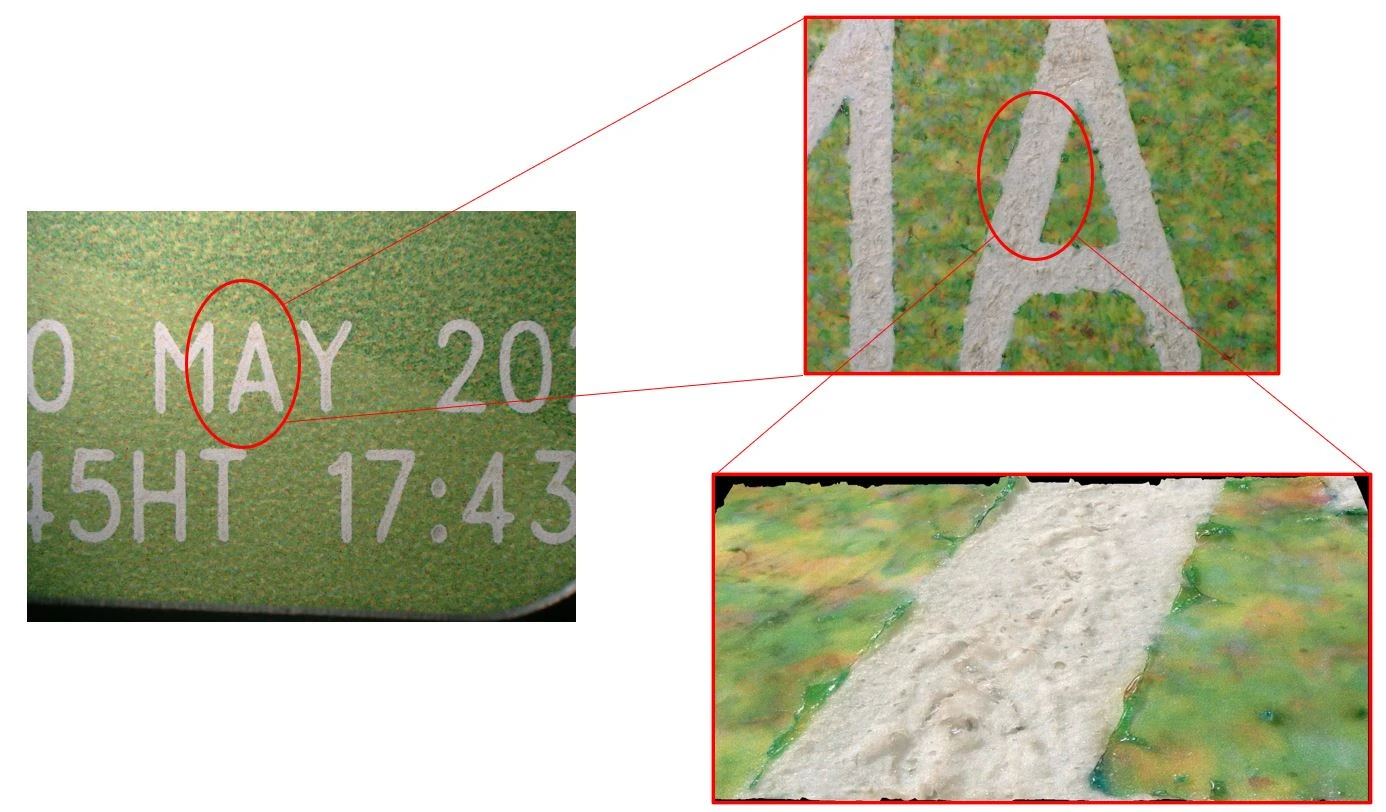
Precise Automation for the Highest Quality Standards
The successful validation demonstrates that the transition from plastic films to recyclable paper packaging in the food industry can be achieved without compromising labeling quality. Food producers can seamlessly integrate the D-Series CO₂ lasers into existing packaging lines. They benefit from durable, chemical-free codes at full production speed while simultaneously meeting the strict EU recycling requirements for 2030.